
Regenerative medicine sits at an awkward crossroads. The science is moving fast, the public interest is intense, and the marketing has raced ahead of what the evidence can actually support. Patients researching stem cell therapy or longevity medicine often find themselves stuck between three unhelpful sources: breathless promotion, textbooks written for people who already hold a PhD, and clinic brochures dressed up to look like education.
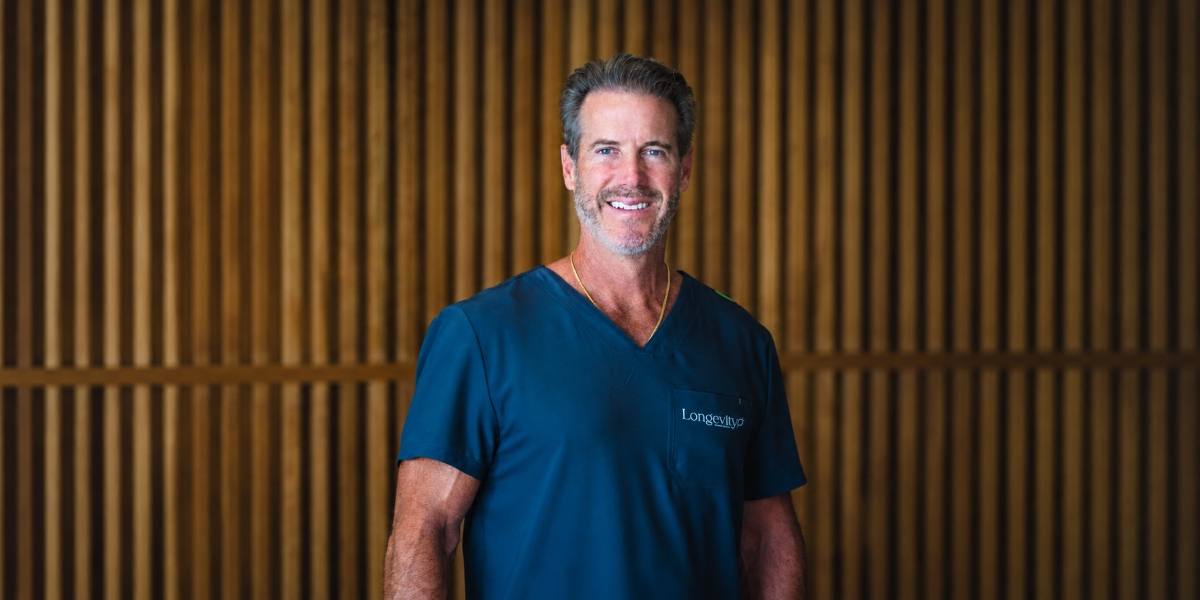
Dr. Kirk Sanford built his work around closing that gap. As founder and CEO of Longevity Medical Institute in San José del Cabo, Mexico, he has spent the past several years arguing that patients deserve a clearer, more honest explanation of what regenerative therapies can and cannot do. His central idea is deceptively simple. The body is not a machine to be fixed by swapping out broken parts. It behaves more like a conversation among trillions of cells, and much of healing comes from restoring the signals those cells send to one another.
A Different Way to Think About Stem Cells
That framing shapes how Dr. Sanford talks about the science. Stem cells, in his telling, do not heal primarily by becoming new tissue. They heal largely by signaling. They send instructions that help calm inflammation, rebalance immune activity, and prompt the body’s own repair systems to respond. Understanding that mechanism, he argues, helps a patient separate genuine longevity medicine from hype that borrows the same vocabulary to sell something.
Dr. Sanford‘s route into this field was unusual. He graduated from Palmer College of Chiropractic in 1992 with a Doctor of Chiropractic degree and a foundation in exercise physiology and nutrition. His career then moved into entrepreneurship for many years before circling back to health. He is careful to note that he does not practice medicine or provide clinical services at the institute. His role is leadership and vision, while the medical work is carried out by the clinical team.
He describes himself less as someone who went looking for a business and more as someone looking for answers about how to help people stay healthy and address the underlying processes of aging. Over the past decade he has followed developments in stem cell research closely and holds training and certifications in the field, including work in Muse cells and Muse exosomes through the International Society for Stem Cell Applications.
Measuring the Body Before Treating It
What distinguishes the institute’s approach, according to Dr. Sanford, is the order of operations. Many clinics lead with treatment. Longevity Medical Institute is built to understand the patient first, then decide what, if anything, makes sense.
That understanding comes from two directions at once. The clinical laboratory measures the function of the body through more than 120 biomarkers. AI-assisted full-body MRI captures its structure. Reading those two data sets together gives findings context they would lack in isolation. A structural detail on an image means more when paired with what the bloodwork shows, and the reverse holds as well.
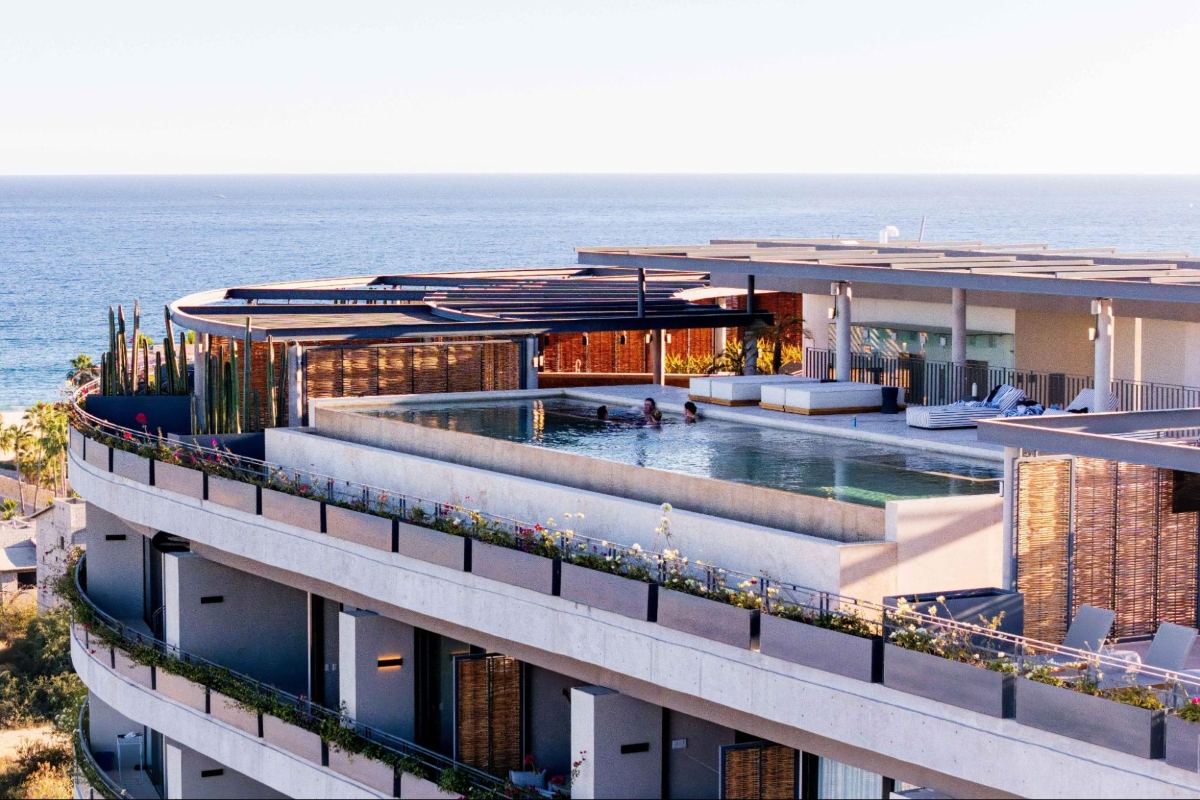
The physical setup reflects that philosophy. The institute occupies a 15,000-square-foot campus that houses diagnostics, a clinical lab, a licensed biotechnology laboratory, imaging, and a surgical center under one roof. A team of more than 17 physicians, scientists, and chemists works across those functions. The institute reports that it is the only facility in Los Cabos holding federal COFEPRIS licensure for both stem cell administration and an on-site biotechnology laboratory.
That regulatory point matters, and Dr. Sanford is direct about it. The therapies are delivered under COFEPRIS oversight in Mexico, which is the country’s national health regulatory authority. They are not FDA-approved, and the institute states this plainly rather than obscuring it. For Dr. Sanford, transparency about the regulatory framework is part of the same honesty he wants to bring to the science itself.
His emphasis on oversight extends beyond his own clinic. Speaking to Forbes for a feature on physician oversight in regenerative care, Dr. Sanford argued that patients should ask pointed questions before starting any therapy, including whether third-party testing exists, whether dosing accuracy and a clear chain of custody are maintained, and whether a protocol actually fits their goals and medical history. A proper evaluation and diagnostic work-up, he said, should come first.
Translating the Science for Patients
The same motivation led Dr. Sanford to write a book for patients, The Language of Healing, which explains stem cells, regenerative medicine, and the science of aging well in plain terms. The premise mirrors his approach at the institute. It walks through the conditions people ask about most, from joints and spine to neuropathy and cognitive decline, and tells readers where the human evidence is strong, where it is still emerging, and where it remains unproven. The book avoids miracle claims by design.
The charitable dimension is worth noting. Dr. Sanford has dedicated all of the book’s proceeds to a fund that supports regenerative care for active military members and veterans, a group he believes should not be priced out of therapies that might help them.
His long-term aspiration is to grow the institute into a model for how the field should operate, meaning diagnostics-led, research-backed, and candid with patients about limits. He also wants to expand the institute’s contributions to peer-reviewed research and to keep building out patient education resources alongside the veterans care fund.
Real Science, Real Hope, Real Limits
If there is a throughline across the clinic and the book, it is a refusal to overpromise. Regenerative medicine carries real potential, and for many patients it also carries real questions that the research has not yet settled. Dr. Sanford’s argument is that patients make better decisions when someone gives them the honest version rather than the marketing version.
That posture asks more of a patient than a simple pitch would. It requires reading, asking questions, and accepting that some answers are still “we don’t know yet.” For Dr. Kirk Sanford, that trade is the entire point. The science is real, the hope is real, and so are the limits, and saying all three out loud is what he believes credible longevity medicine should sound like.
Learn more at the Longevity Medical Institute website or read The Language of Healing on Amazon.