
Leadership at scale is measured by how well decisions move through an organization, how clearly standards are understood, and how consistently people execute under pressure.
For senior leaders, complexity is constant. Manpower, readiness, policy, training, retention, and development rarely compete in simple ways. Each decision can affect immediate performance while also shaping long term capacity.
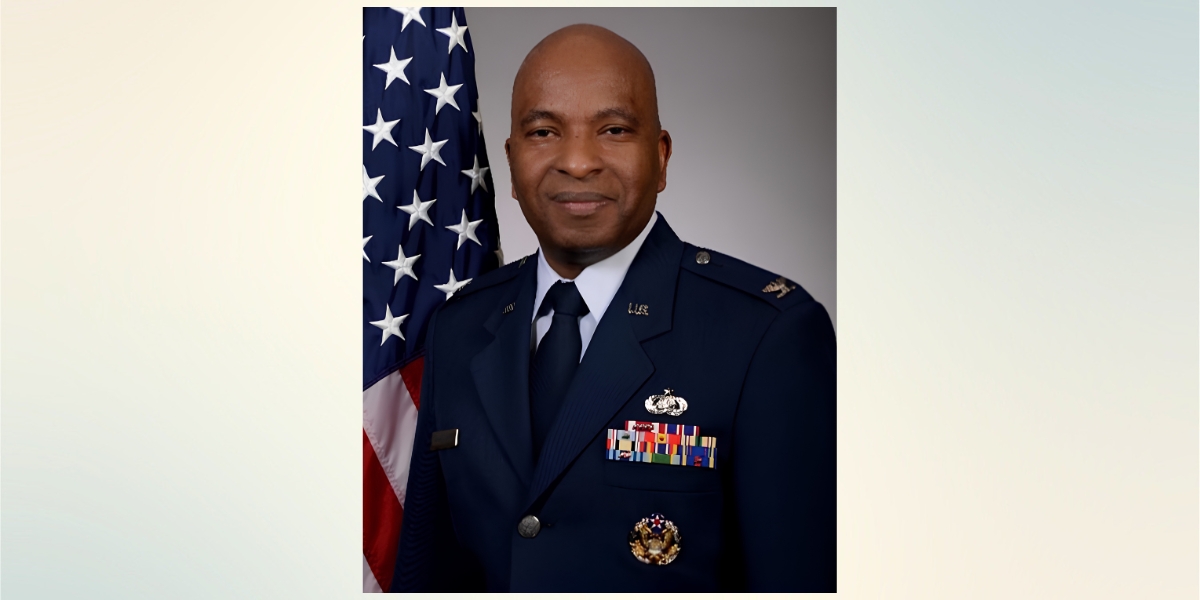
Colonel Nashid Salahuddin brings that system’s view to leadership. His career has included personnel roles, command assignments, strategic planning work at the Pentagon, recruiting and retention leadership, and human resources responsibility for twelve hundred military and civilian personnel at Air National Guard headquarters.
That background points to a central principle. Effective organizations do not rely on personality alone. They depend on disciplined methods for decision making, communication, accountability, and leader development.
Decision Making Starts With the Mission
In high stakes environments, decision making must begin with mission impact. The first question is which option best supports the mission while protecting people, resources, and future readiness.
That approach requires leaders to separate urgency from importance. Some issues demand immediate action because they affect operations. Others require patience because the wrong fast answer may create larger problems later.
A structured decision process helps reduce confusion. Leaders must define the problem, identify constraints, weigh risk, gather input from people closest to the work, and make a timely decision. The process creates order inside pressure.
For Colonel Nashid Salahuddin, the lesson is visible across assignments involving manpower, personnel services, command, recruiting, and strategic planning. These roles require decisions that connect people to mission requirements and future force needs.
In large organizations, a decision is rarely isolated. A policy choice can affect staffing. A staffing choice can affect readiness. A readiness issue can affect morale. Senior leadership requires seeing those links before action is taken.
The best decision makers also understand when more information is useful and when delay becomes its own risk. Complete certainty is rare. Sound leadership depends on judgment, standards, and the discipline to act when the organization needs direction.
Balancing Today and Tomorrow
Senior leaders often manage tension between short term execution and long term strategy. Immediate tasks have deadlines and visible consequences. Long term work can be easier to postpone because its effects appear later.
That is where leadership discipline matters. Readiness today cannot be built by sacrificing the systems that sustain readiness tomorrow. Long range planning also cannot become an excuse for weak performance in the present.
A practical framework begins with priority setting. Leaders must identify which efforts are mission essential, which are developmental, and which can be adjusted without harming the organization. That allows teams to focus.
In manpower and human resources work, this balance is especially important. People are not interchangeable assets. Their skills, experience, motivation, and career development shape organizational capacity over time.
Colonel Nashid Salahuddin has served in roles where manpower, recruiting, and personnel services intersect. Those functions influence whether an organization has the right people, in the right roles, with the right support to perform the mission.
Balancing today and tomorrow also requires honest measurement. Leaders need reliable information about performance, staffing gaps, retention patterns, and readiness concerns. Without clear data, organizations may confuse activity with progress.
The most effective leaders use information to guide priorities, not to overwhelm teams. The goal is to track what matters enough to improve decisions.
Alignment Requires Clear Communication
Organizational alignment begins when senior intent is translated into operational understanding. It is not enough for leaders at the top to know the purpose. The people responsible for execution must understand what matters, why it matters, and how success will be judged.
Communication is one of the main systems that makes alignment possible. It connects strategy to daily action. It also reduces the space where assumptions, mixed messages, and competing interpretations can weaken performance.
In large, distributed teams, leaders must repeat priorities in plain language. The message should be consistent across levels and practical enough for different teams to apply.
Clear communication does not mean constant communication. Too many messages can create noise. Effective leaders decide what must be communicated, who needs to hear it, and what action should follow.
Colonel Nashid Salahuddin has worked across headquarters, command, advisory, and strategic environments. Those settings require leaders to communicate across levels. The audience may change, but the need for clarity does not.
Alignment also depends on feedback. Senior leaders need to know whether direction is understood. They also need honest insight from operational teams about what is working, what is unclear, and what barriers exist.
The strongest organizations treat communication as a two way system. Direction moves down. Reality moves up. Leaders then adjust, clarify, and reinforce priorities.
Accountability Without Fear
Accountability is often misunderstood as punishment after failure. In disciplined organizations, accountability is clearer and more useful. It means expectations are known, performance is measured, and people understand the standard before results are reviewed.
That kind of accountability supports fairness. People are more likely to accept standards when those standards are consistent, transparent, and connected to the mission.
At the same time, accountability should not discourage initiative. Organizations need people who can solve problems, propose ideas, and act within their authority. A culture that punishes every mistake can produce compliance, but it may also limit learning.
The balance is created through boundaries. Leaders must define what decisions require approval, what risks are acceptable, and what outcomes cannot be compromised. Inside those boundaries, initiative can grow.
This is especially important during change. When policy, staffing, or mission demands shift, people need room to adapt. They also need to know which standards remain firm.
Accountability systems should include regular reviews, clear performance expectations, documented priorities, and feedback. These tools help leaders correct issues early rather than waiting until problems become larger.
Fairness is central to the process. Decisions affecting people must be applied with consistency across a diverse force. That does not mean every situation is identical. It means the reasoning behind decisions should be clear and tied to established standards.
Developing Future Leaders
Leading at scale includes the responsibility to identify and develop future leaders. Organizations cannot depend only on current decision makers. They must build depth.
High potential leaders often show patterns before they hold senior roles. They take ownership. They communicate clearly. They handle feedback. They make thoughtful decisions. They remain steady when conditions change.
Identifying those traits requires leaders to observe performance over time. It also requires opportunities for people to lead before they are fully ready. Growth happens when developing leaders receive responsibility, guidance, and honest evaluation.
Colonel Nashid Salahuddin has served in command, advisory, manpower, recruiting, and human resources positions. That kind of career path reflects exposure to both operational leadership and systems leadership. It also shows why leader development must include more than technical skill.
Future leaders need judgment. They need the ability to work across functions, understand policy, manage people, and communicate intent. They must know how to make decisions when priorities conflict.
Common leadership gaps often appear in communication, consistency, and decision discipline. Leaders may know the goal but fail to translate it. They may enforce standards unevenly. They may react to pressure rather than working through a process.
Those gaps can be addressed through training, coaching, and deliberate practice. They can also be reduced when senior leaders model the behavior they expect from others.
Performance During Uncertainty
Uncertainty tests whether an organization has strong systems or only strong personalities. When conditions change, people look for clarity, fairness, and direction.
Effective leadership during uncertainty does not require pretending every answer is known. It requires explaining what is known, what is being evaluated, and what standards will guide the next decision.
This approach helps maintain trust. People can handle difficult information better than they can handle silence or confusion. They want to understand the purpose behind action.
Sustained performance also requires prioritization. During change, leaders must decide which efforts are essential, which can pause, and which must be redesigned. Without prioritization, teams may spread effort too thin and weaken execution.
The role of senior leadership is to protect focus. That means reducing unnecessary friction, clarifying authority, and keeping the organization connected to its purpose.
Colonel Nashid Salahuddin’s career shows the value of leaders who understand both people and systems. From personnel roles to headquarters human resources responsibility, his work reflects the connection between organizational structure and mission performance.
A Disciplined System for Lasting Results
Leadership at scale is a disciplined system. It depends on clear decisions, steady communication, fair accountability, and deliberate leader development.
Strong organizations do not leave these areas to chance. They build habits that help people understand the mission, perform under pressure, and adapt during change.
For senior leaders, the work is both strategic and practical. They must see the whole system while respecting the people who carry out the work. When decision making, alignment, and accountability operate together, leadership becomes more than a title. It becomes a repeatable structure for mission success.