
Business advice tends to treat referrals like a script problem: say the right thing, ask at the perfect moment, follow up the ideal way, and the introductions will come. Dave Van Buskirk has built his thinking in another direction. The author and financial advisor at Edward Jones is more interested in what makes someone bring up a business on their own during a conversation that has nothing to do with being sold to.
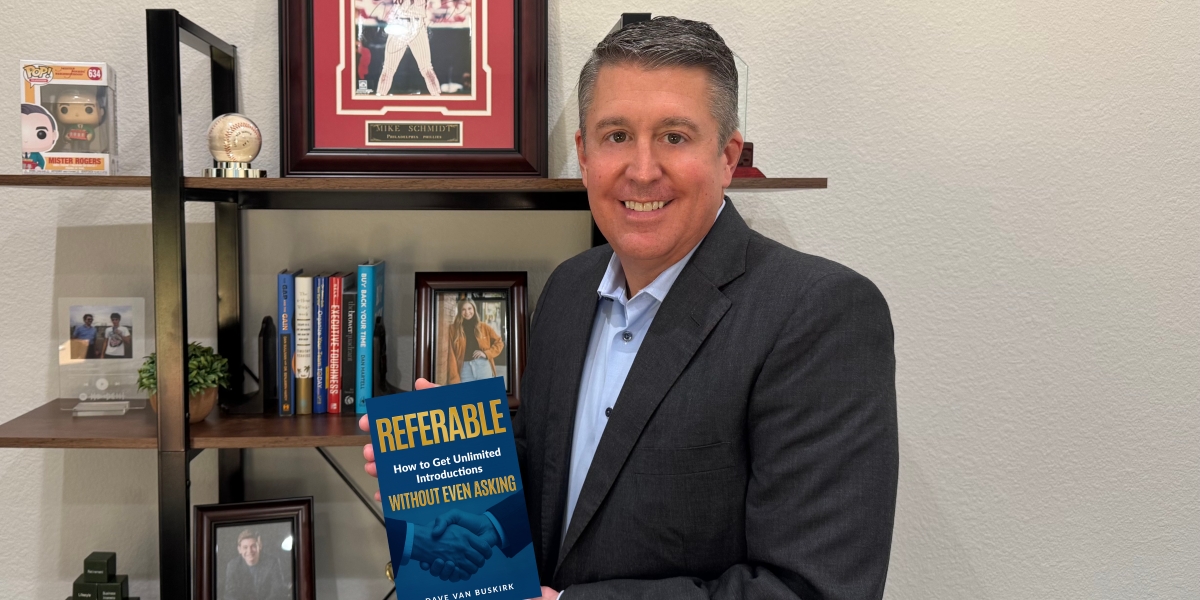
That difference shapes the way he talks about growth. In his view, a referral is an earned reaction. People pass along a name when the experience attached to it feels solid, generous, and easy to stand behind. That idea runs through his book, Referable: How to Get Unlimited Introductions Without Even Asking.
That’s where his version of a referral marketing strategy starts to separate itself from a more transactional tactic. He focuses on the conditions that make a recommendation feel natural. The conversation usually begins earlier, in the parts of the experience that seem small while they’re happening: whether communication feels steady, attention feels real, or follow-through keeps its shape over time.
What He Means by a Referable Experience
Van Buskirk talks often about creating “referable experiences,” and the phrase makes more sense the longer it sits with his broader philosophy. He’s describing a relationship that feels cared for in a way people remember after the meeting ends.
That memory matters. A person typically recommends a business because something about the experience felt dependable, personal, or unexpectedly thoughtful. Those are the stories that travel. In that sense, his client experience strategy is built around what lingers.
How Gratitude Enters the Picture
Gratitude appears as a discipline. He traces some of that perspective back to his grandmother, who spoke with him early on about investing, ownership, and long-term belief. Later experiences in his family, including illness and loss, seem to have deepened the same instinct.
Alongside his business tactics, Van Buskirk keeps returning to generosity. That includes time, patience, effort, and attention. In his practice, that outlook becomes part of relationship-based business growth. He takes clients seriously.
What This Looks Like in Practice
One of the professional moments Van Buskirk values most is when a client introduces him to someone important in their life. He reads that gesture as trust. The introduction carries more weight because it comes from lived experience.
He treats his word-of-mouth marketing as evidence that business has become easy to talk about in a good way. That way of working also gives his ideas a wider reach than a single office or industry. The language around referrals can get narrow very quickly, especially when people treat it like a sales technique without that core trust.
Van Buskirk keeps pulling it back to something more human. People remember how they were treated, how consistently someone showed up, and whether the experience felt thoughtful from beginning to end. Those ideas tend to stay in circulation longer than any polished pitch.
According to Van Buskirk, the businesses that keep getting mentioned are usually the ones that gave people a reason to speak with confidence and warmth, and to feel they were doing someone a favor. For him, that’s still the strongest answer to how to get referrals without asking: build something people feel comfortable attaching their name to, then let the relationship carry the rest.
Disclaimer: This article is for informational purposes only and does not constitute investment advice, a recommendation, or an offer to buy or sell any securities. Consult a qualified financial advisor for advice specific to your situation.