

When buyers scroll through dozens of listings, price and photos may capture initial attention, but the listing description often determines whether they take the next step. The margin for error is small: the average online real estate lead converts to a closed transaction at just 0.4%–1.2%.
This guide breaks down how to write real estate listing descriptions that drive showings and accelerate sales.
Step 1. Write a Killer Headline
Look at these generic MLS headlines you’ll often see published:

This kind of inventory language offers zero positioning or unique value.
Your headline has one job: grab attention in seconds and frame how buyers interpret everything that follows. Choose one defining advantage of the property.
It should answer one question: “Why this property instead of others?” Pick one differentiator and lead with it.
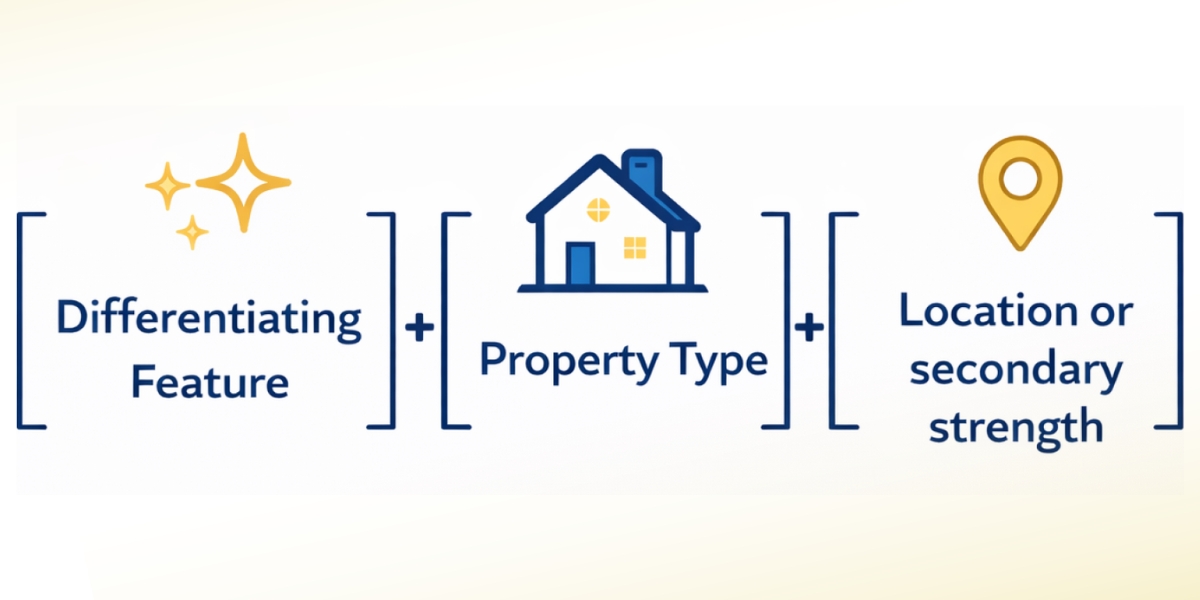
The headline formula to use
Here are a couple of examples:
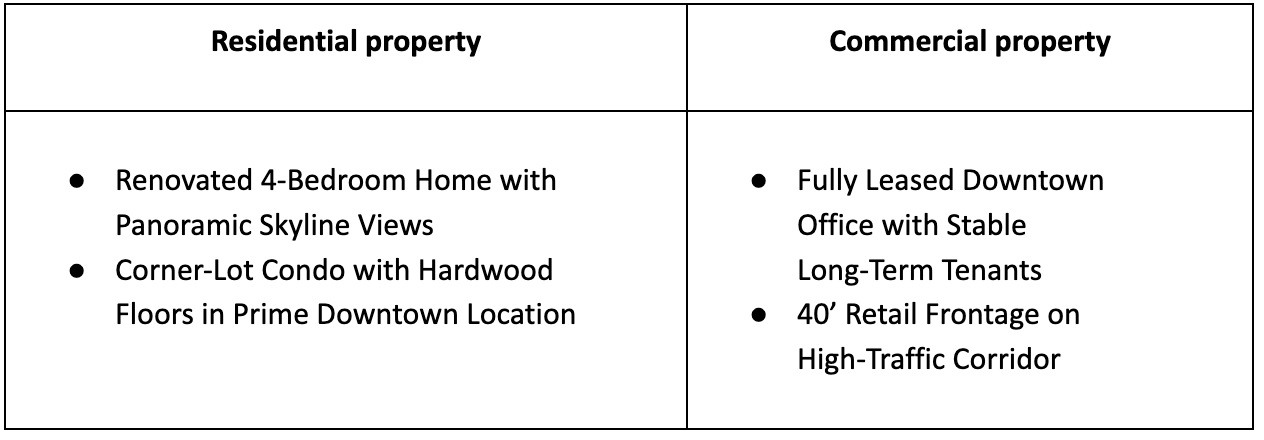
Each headline leads with a differentiator and immediately signals value. The buyer doesn’t have to decode what makes the property attractive.
Pro tip: the more listings you scroll through, the more interesting headline ideas you can pick up. Realmo is the ideal place to do it, with over 1 million properties presented across the entire US market.
What to avoid in your listing headline
Avoid listing specs first, abbreviations like 4BR/3BA, empty adjectives, and overpromising. The headline should be concise, specific, and truthful.
Step 2. Open With the Property’s Strongest Value Driver
Reinforce the headline’s advantage
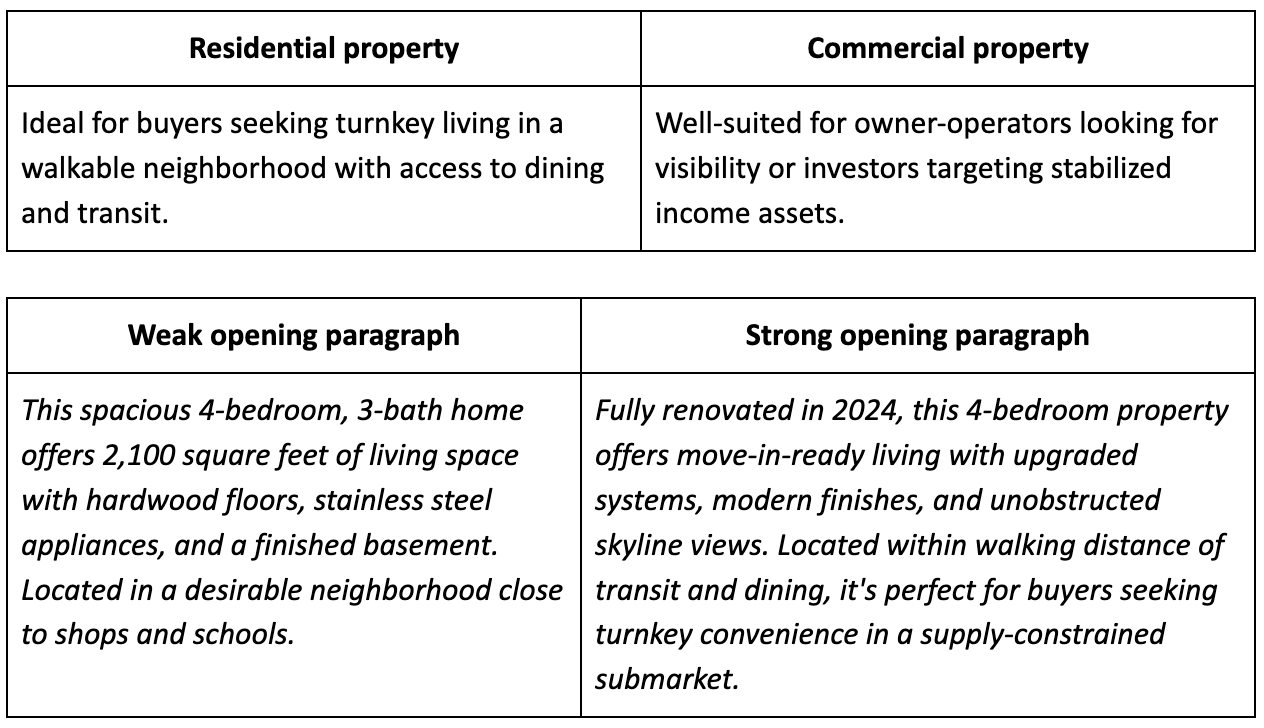
If your headline highlights specific value, your first paragraph must substantiate that claim with evidence. The objective here is maximum credibility.
The right buyer should feel recognized right away. A well-written listing communicates who the property is best suited for based on layout, income profile, zoning, flexibility, or location dynamics.
Align the property with a specific goal: owner-occupancy, passive income, expansion, or redevelopment.
Step 3. Turn Features Into Benefits
At this point, your headline and opening paragraph have framed the opportunity. Now the body of the listing should avoid inventory mode.
Translate every feature into a specific benefit for the buyer. A feature describes what the property has; a benefit explains why that feature improves the buyer’s outcome.
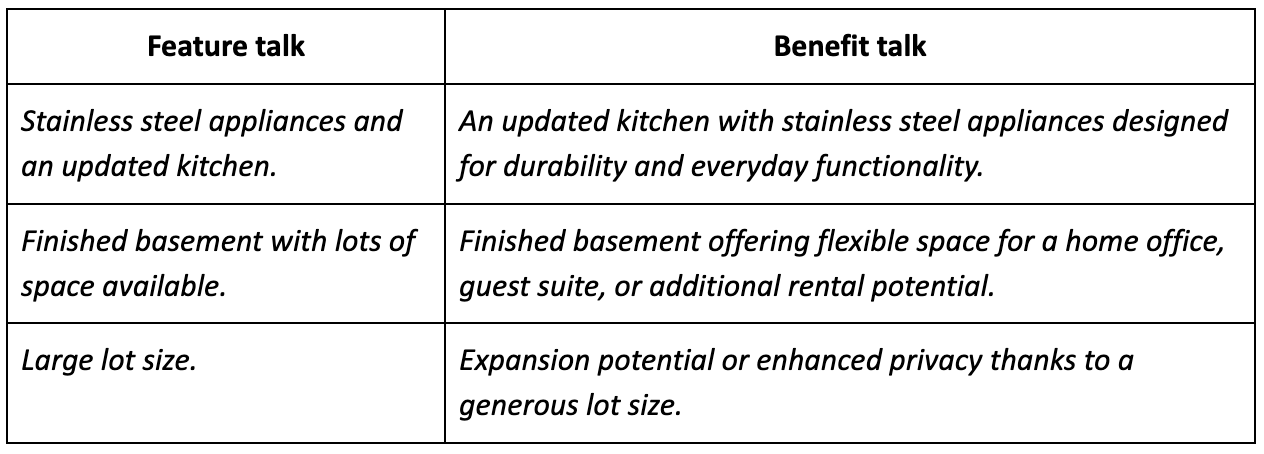
Pro tip: Keep it controlled. If a feature doesn’t meaningfully support the buyer’s decision, it doesn’t need a spotlight.
In residential listings, benefits often relate to convenience, flexibility, low maintenance, privacy, and entertaining capacity. In commercial real estate, they often relate to income stability, operational efficiency, tenant retention, visibility, traffic, and expansion potential.
Step 4. Structure the Description for Readability
Even a strong listing description can underperform if it’s hard to read.
Make the listing description easy to scan. On most MLS platforms, brokerage sites, and portals, property descriptions appear as dense blocks of text unless you intentionally structure them.
Keep it concise with intent
For most residential listings, 150–250 words is sufficient. Luxury or complex commercial assets may require more, but clarity matters more than length.
If a paragraph runs more than 5–6 lines on screen, break it. Common readability killers include excessive capitalization, long comma-heavy sentences, and overloaded bullet-style fragments.
Instead, write complete sentences, keep most sentences under 20 words, vary sentence length slightly, and eliminate filler phrases. Before publishing, preview how the listing appears on MLS, your brokerage website, major portals, and mobile view.
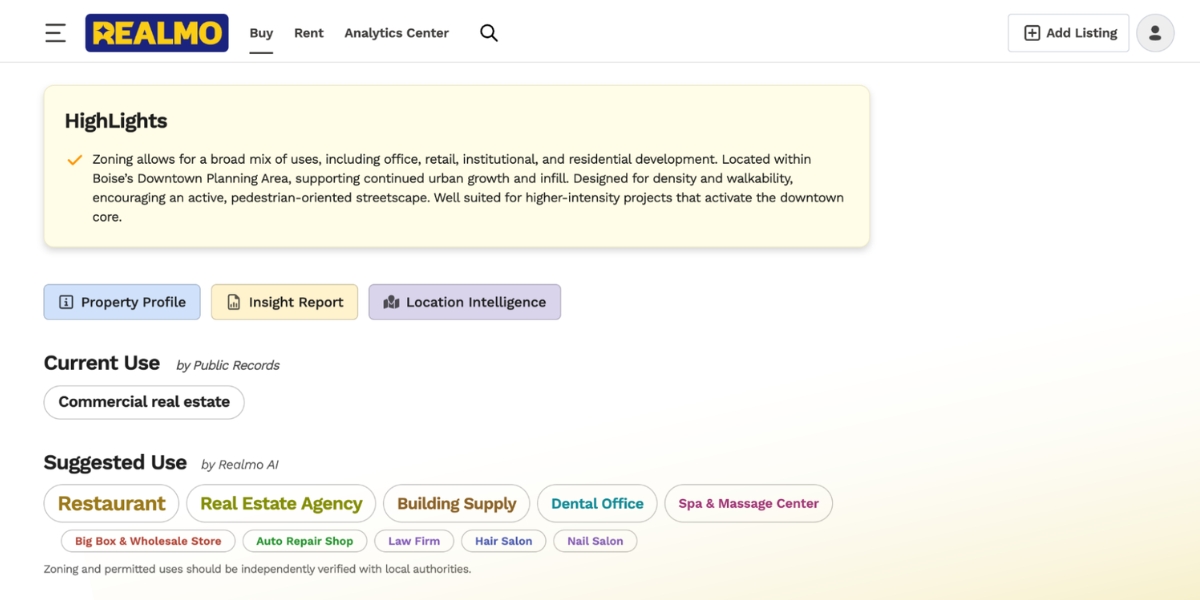
When you publish a listing on Realmo, the platform automatically organizes your content into sections such as Highlights, Overview, Property Details, and Features. Instead of appearing as one dense paragraph, your information is segmented so buyers can scan, compare, and process it faster.
Buyers can also request data-backed reports on the listing page to compare key metrics and feel more confident about moving forward.
Step 5. Use Data-Backed Keywords
The vast majority of homebuyers use online resources during their property search, so your listing description is part of how the property gets discovered.
Buyers don’t search for just a “beautiful home.” They search for specific terms: condo with skyline views, finished basement, stainless steel appliances, retail space with frontage, or move-in ready office.
Use precise, high-intent terms that buyers recognize and actively search for.
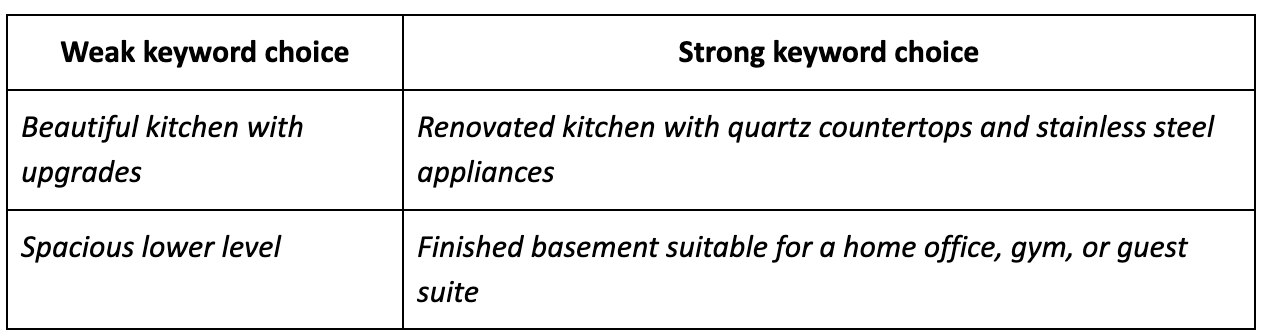
Keywords matter for MLS visibility and portal search, but overuse makes your description less compelling.
Strategic keyword use means selecting accurate, search-aligned language that reinforces the property’s strengths and helps buyers quickly spot the fit.
Step 6. Paint the Picture (Without Violating Fair Housing)
A good description helps buyers visualize how the space functions. Use controlled, descriptive language to help buyers picture the living space or operational flow.

Important: Describe the space, not the people
Under Fair Housing laws, listing descriptions must avoid language that implies preference for protected classes, including familial status, race, religion, or gender.
Describe features, layout, and location, not the type of person who should live there.
If you describe the ideal buyer, focus on goals and use cases: investment strategy, lifestyle preference, or operational needs.
Step 7. Close with a Strong Call to Action
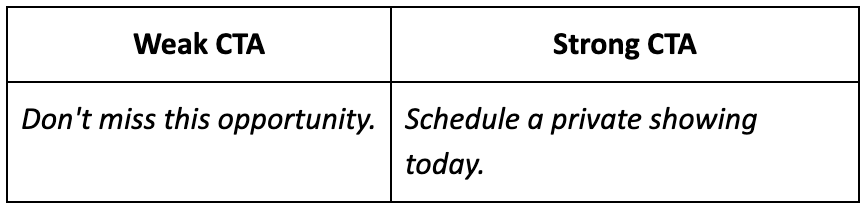
Your final lines should move the buyer forward. After you’ve positioned the asset and outlined its advantages, tell them exactly what to do next.
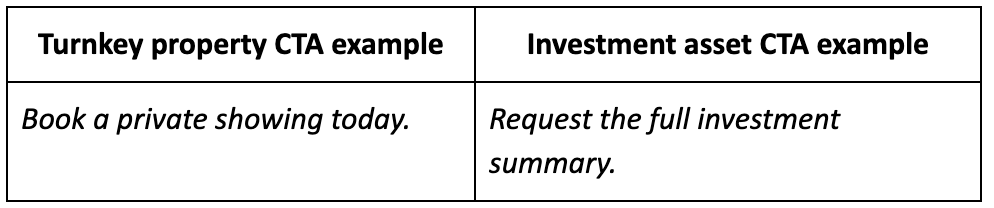
The CTA should reflect how that asset is typically transacted: residential buyers book showings; commercial buyers request documentation before touring.
Pro tip: Match the CTA to the buyer’s decision process.
Step 8. Proofread Like a Professional
A single grammar mistake, incorrect square footage number, or misspelled neighborhood name can subtly signal carelessness.
Read the paragraph out loud. Awkward phrasing becomes obvious when spoken.
Pro tip: Use proofreading tools like Grammarly or built-in AI writing assistants to catch typos and awkward phrasing before publishing.
Final Word
As you can see, a strong listing is a real deal driver. Top real estate brokers treat the listing description as a strategic asset that shapes perception before a showing, influences expectations before an offer, and frames negotiations before they begin.
Focus on sharper positioning, tighter structure, and language that reflects how buyers evaluate property in real life. Well-written listings don’t guarantee a sale, but weak ones will definitely reduce your competitive edge.