
For a long time, SAP careers followed a predictable path. Professionals built depth in a single module and stayed there. That model is starting to loosen. Not because SAP itself has changed dramatically, but because the environments around it have.
Payroll is a clear example. Once treated as a contained function, it now sits much closer to compliance, risk, and employee experience. The margin for error is thinner, and expectations are higher, especially for organizations operating across multiple regions.
Where Complexity Becomes Visible
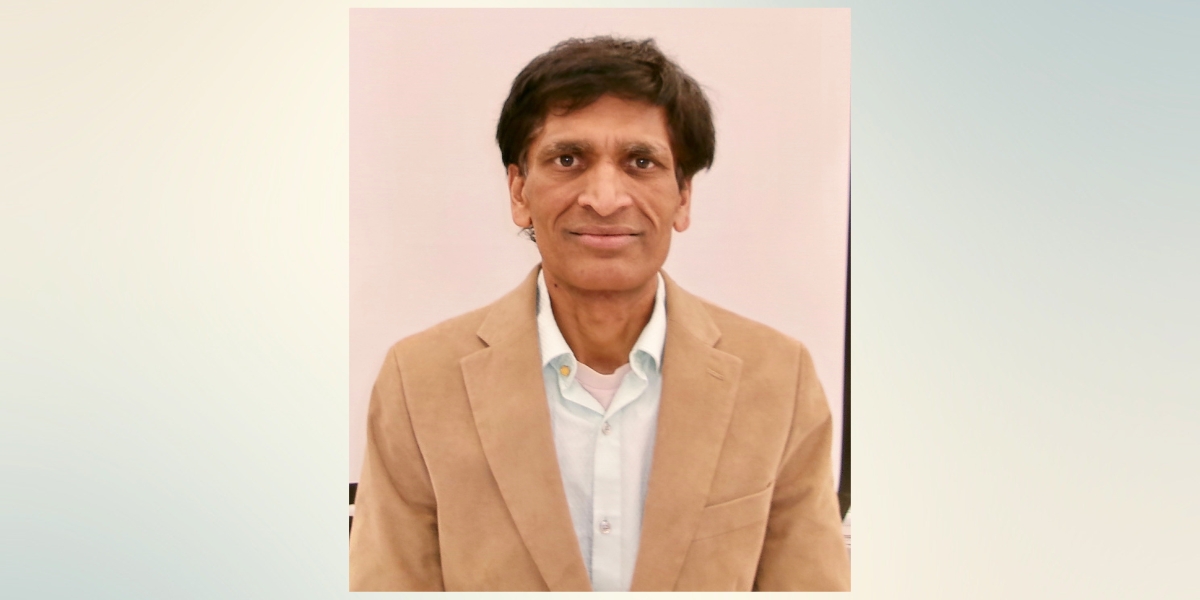
This shift is most obvious in the kind of work being done day to day. Narasimha Rao Ghanta has spent the past two decades working across payroll, time management, benefits, and integrations in environments that rarely stay confined to one geography. His experience spans the United States, Canada, parts of Europe, and several African markets.
The technical foundation may remain consistent, but the expectations around it do not. A configuration that works in one country often needs to be reworked in another. Sometimes it’s regulation. Sometimes it’s how employees interact with the system. Over time, that changes how SAP is approached. It becomes less about knowing a module and more about understanding how it performs under different conditions.
The Weight of Payroll
Payroll tends to expose weaknesses quickly. When something breaks, it’s not abstract. Employees feel it immediately. That reality creates a different level of discipline around accuracy and system design.
It also shifts how professionals think about their role. The work is no longer limited to configuration. It extends into reliability, accountability, and the ability to anticipate where issues might surface before they do.
Integration at the Center
Most enterprise environments no longer rely on SAP alone. Systems like UKG Kronos and ADP GlobalView are often part of the same ecosystem, along with integration layers such as Dell Boomi and SAP CPI. Keeping these connections stable is critical.
When integrations fail, problems don’t stay isolated. Data mismatches, delays, and inconsistencies ripple across systems. What used to be considered supporting work now sits closer to the center of operations.
A Shift Toward Anticipation
Newer technologies are adding another layer. Platforms like S/4HANA and tools such as SAP Joule are introducing more visibility into how systems behave. Instead of reacting to issues after they occur, there is a growing emphasis on identifying patterns early and adjusting in advance.
This doesn’t simplify the work. It changes its pace. Decisions are made faster, and the tolerance for lag is lower.
Rethinking the Career Path
As the landscape evolves, so does the role of the people working within it. Staying fixed in one area of SAP is becoming harder to sustain. The professionals who adapt tend to move across functions, systems, or regions, building a broader understanding of how everything connects.
That pattern shows up clearly in Narasimha’s career. The core technical skills have remained consistent, but their application has shifted over time. Exposure to different markets, systems, and operational pressures has shaped a more flexible approach to SAP.
What It Signals for Business Leaders
For organizations, the implications are straightforward. Systems that support payroll and HR can no longer be treated as isolated tools. They are closely tied to compliance, employee trust, and operational stability.
As companies expand, the ability to manage that complexity without losing accuracy becomes critical. SAP remains a structured system, but the expectations around it are broader now. It’s not just about making it work. It’s about making it work in environments that rarely behave the same way twice.