
In recent decades, outpatient pain management practice in the United States has developed from a growing emphasis on evidence-based approaches and minimally invasive procedures. Chronic pain, most notable in the spine and musculoskeletal areas, has become the leading cause of disability, affecting 20% of adults in the United States. Practices that provide coordinated outpatient services with specialized procedural care aim to improve access to outpatient pain services, reduce complications, and provide valuable treatment for patients with conditions such as herniated discs, spinal stenosis, and neuropathic pain. Developments in outpatient pain management practices have also advanced opportunities for specialized, integrated centers to combine clinical practice, education, and research. It was within this evolving landscape that Anil K. Sharma founded the Spine & Pain Centers of New Jersey & New York in 1996.
Anil K. Sharma was born on June 2, 1964, in Indore, India, and founded the practice in response to the growth of interventional pain medicine in the United States and the growing demand for outpatient procedural care. It was established as a multidisciplinary stakeholder in spine and musculoskeletal pain management, with a particular focus on minimally invasive procedures, including epidural steroid injections, facet joint procedures, and radiofrequency denervation. The founding of the practice coincided with a period when outpatient specialty centers began taking on more procedural care, which had traditionally been performed in hospitals.
In the ensuing years, the Spine & Pain Centers grew its clinical footprint and expanded its procedural capacity through affiliations with ambulatory surgical centers in Freehold, Millburn, Shrewsbury, Neptune, and Toms River. These affiliations enabled the practice to provide procedural care in a controlled outpatient surgical setting while maintaining continuity of postoperative outpatient follow-up visits. There are probably tens of thousands of spinal interventional procedures performed through the network, which indicates the level of procedural volume expected at outpatient surgical sites, and the practice still maintains patient-oriented outcomes.
Sharma’s leadership helped develop organizational constructs that fostered coordination between clinical, administrative, and educational activities. In his capacity as president, Sharma has taken responsibility for staffing, protocol development, and quality assurance, including adherence to national recommendations for the interventional management of pain. The practice also established formal education for residents, visiting fellows, and medical students. It gave them exposure to the clinical and procedural aspects of pain management. While specific outcome data are housed internally, the center’s longevity and growth indicate sustained demand for its services throughout New Jersey and New York.
Services offered by Spine & Pain Centers include diagnostic evaluations, interventional procedures, and ongoing management of chronic pain conditions. Commonly offered procedures include fluoroscopically guided lumbar and cervical epidural injections, facet joint injections, and radiofrequency ablation, as well as more advanced procedures such as spinal cord stimulation, endoscopy, and discectomy. The center’s approach is consistent with national trends toward focused interventions to reduce dependence on systemic medications for pain relief, promote functional improvements, and enable better patient-centered decision-making, all within an ambulatory model of care. Services are also supplemented by access to a multidisciplinary consultation that facilitates collaboration among anesthesiologists, physiatrists, and allied health team members.
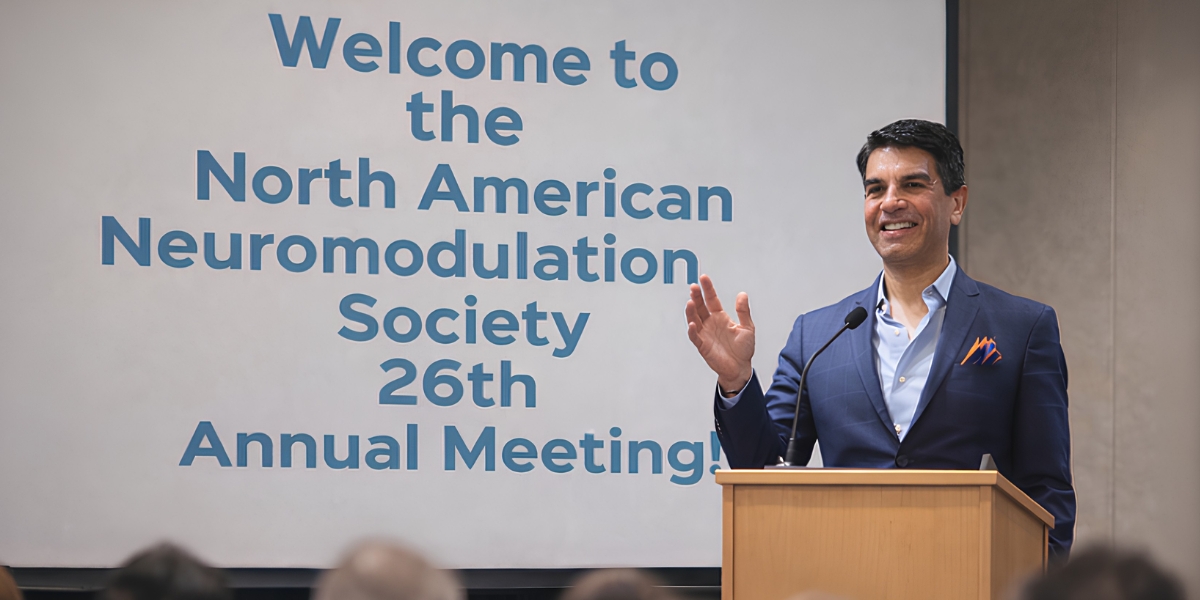
Recognition from professional and media organizations has documented the practice’s presence in the field of pain management. Between 2012 and 2024, Sharma was listed as a Top Doctor in New Jersey Monthly magazine multiple times and received a front-cover mention in 2014 for his involvement in interventional pain care. This recognition, combined with participation in professional societies such as the North American Spine Society, Spine Intervention Society, and the American Board of Pain Medicine, positions the practice as part of a broader movement to standardize care and transmit clinical knowledge. Sharma holds leadership positions in these societies, including serving on committees, developing guidelines, and presenting at conferences on behalf of the societies.
The center’s growth has also reflected the changing role of specialized pain practices in the healthcare landscape. By incorporating both outpatient accessibility and procedural diligence, Spine and Pain Centers have fulfilled the clinical need for interventional pain services by providing treatment options to patients across New Jersey and New York. The practice’s treatment model emphasizes safety, guideline compliance, and procedural efficiency, and shows how specialty centers have become entrenched in chronic pain management outside hospitals. The long-term operation also suggests adjustment to changing regulatory, insurance, and patient care activities over nearly three decades.
Spine & Pain Centers not only provides clinical service, but also engages in educational work by offering educational programs. Programs include cadaver-based workshops, lectures, and demonstration projects. Engaging with educators is beneficial for disseminating best practices and training future clinician educators in evidence-based procedures. Sharma’s professional engagement and publication of research articles and procedure reviews build further ties to both academic and society-based standards in pain management, thus expanding beyond just a clinical relationship with patients.
Procedural volume, clinical alliances, and the established structure of the practice area under Sharma, in many ways, mirror a broader trend of specialized centers combining clinical practice, education, and research. Spine & Pain has established itself as a network of services that can provide high-volume, procedure-based care while adhering to national guidelines for safety and effectiveness. By aligning day-to-day operations with pre-established frameworks used by professional societies, both Spine & Pain centers demonstrate how specialty private practice can integrate clinical services with continuing professional development, assurance, and education.
In a nutshell, Anil K. Sharma’s development and leadership of Spine & Pain Centers reflect a long-standing commitment to authorizing interventional pain management services in New Jersey and New York. The practice’s foundation in 1996, practice links to procedure, and long-term administration highlight continued interaction with the professional community and attention to changes in the standard practice of chronic pain treatment. Recognition from other publications and professional societies indicates an ongoing value for the practice as part of interventional pain management, while developing and continuing the education and procedure as part of a continuum in clinical expertise.