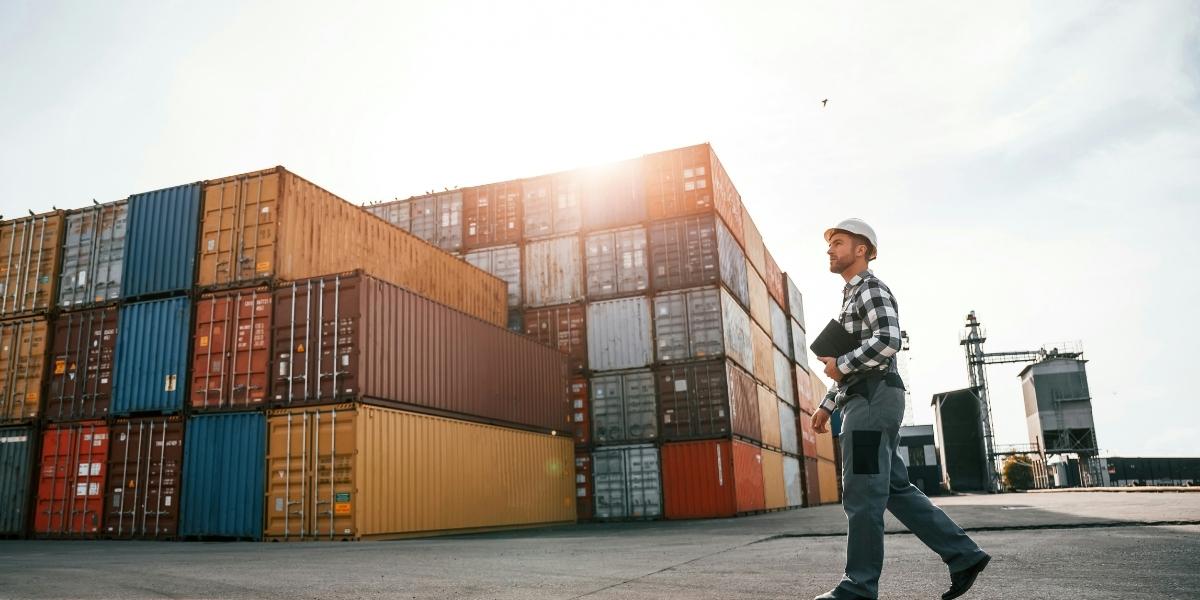

Energy and freight risk strategies are being recalibrated across the United States as shifting oil markets, rising electricity demand, and logistics disruptions reshape operational planning. Corporate leaders are adjusting long-standing supply chain assumptions, replacing predictable cycles with models built for sustained volatility.
Oil Price Swings Push Energy and Freight Risk Strategies Higher
Projections from the U.S. Energy Information Administration indicate Brent crude oil prices are expected to reach elevated levels during the second quarter of 2026 before easing later in the year. Forecasts point to a peak near $115 per barrel, followed by a decline toward the high-$80 range by year-end.
This movement has already influenced cost structures across transportation and manufacturing sectors. Diesel prices are projected to average around $4.80 per gallon in 2026, reinforcing pressure on freight costs and operating budgets.
Companies are adjusting procurement strategies to account for these fluctuations. Long-term agreements, diversified supplier networks, and scenario-based planning are being introduced to reduce exposure to sudden price shifts.
Energy costs are now treated as a central factor in margin stability rather than a secondary operating expense. This shift is prompting executives to reassess how fuel and power risks are priced into contracts and long-term planning.
Electricity Demand Growth Alters Industrial Cost Structures
Electricity consumption in the United States is entering a sustained growth phase, supported by industrial expansion and increasing demand from large-scale computing operations. Recent outlooks point to one of the strongest multi-year increases in power usage in decades.
Demand patterns are becoming more consistent throughout the year. Continuous operations in advanced manufacturing and data processing facilities are reducing the seasonal peaks that once defined grid usage.
For energy-intensive industries, electricity costs are becoming a primary operational concern. Wholesale price volatility, transmission constraints, and demand-related charges are influencing production planning and location decisions.
Interconnection timelines for new facilities have extended in several regions, adding complexity to expansion plans. Some companies are addressing this by developing on-site energy solutions, including battery storage systems and demand-response programs.
Recent industry data confirms that energy storage deployment in the United States continues to expand, supporting efforts to manage variability in supply and demand.
Shipping Constraints Tighten Effective Global Capacity
Global shipping networks are adjusting to route disruptions and operational constraints that are affecting effective capacity. Security concerns in key maritime corridors have led to widespread vessel rerouting, including longer voyages around the Cape of Good Hope.
These changes have increased transit times and reduced scheduling efficiency. Even with new vessels entering the global fleet, effective capacity remains constrained due to longer routes and operational delays.
U.S. importers are shifting away from cost-focused logistics models. Greater emphasis is being placed on reliability and continuity of supply. Inventory strategies are also changing, with companies maintaining higher stock levels to offset uncertainty in delivery timelines.
Carriers continue to manage capacity through measures such as blank sailings, balancing supply with demand. This has narrowed the gap between spot rates and long-term contract rates, leading to broader use of hybrid contracting structures.
These agreements typically secure a portion of volume under fixed terms while leaving some exposure to the spot market, allowing flexibility without fully sacrificing cost predictability.
Domestic Energy Supply Gains Priority in Cost Planning
Global market volatility is increasing the importance of domestic energy sources for U.S. companies. Natural gas remains a central component, supported by strong production levels and relatively stable pricing within the domestic market.
Recent data shows that U.S. liquefied natural gas export facilities are operating near peak levels, with exports approaching 18 billion cubic feet per day. Despite strong international demand, domestic prices remain lower than global benchmarks due to supply availability and infrastructure constraints.
This dynamic provides cost stability for manufacturers with high energy requirements. It also supports long-term planning by reducing exposure to global price swings.
Companies are also adjusting sourcing strategies in renewable energy and industrial supply chains. Efforts to diversify suppliers and increase domestic production of key components are expanding. These steps aim to reduce dependence on external sources while maintaining operational flexibility.
Air Freight Demand Centers on High-Value Shipments
The air freight sector is expected to record moderate growth in 2026, with forecasts indicating an increase of around 2.7 percent. Demand patterns are shifting toward high-value and time-sensitive cargo.
Technology-related shipments, including components tied to advanced computing infrastructure, are supporting demand for faster transport. These goods require reliability and speed, making air freight a critical option for certain industries.
Changes in cross-border trade rules and e-commerce activity are influencing shipment profiles. Logistics providers are adjusting networks to accommodate these shifts, focusing on flexibility across key routes.
For shippers, performance on specific trade lanes has become a primary concern. Delays in high-value shipments can disrupt production timelines, increasing the importance of consistent service levels.
Integrated Risk Planning Drives Corporate Decision-Making
Energy and freight considerations are now central to corporate risk planning. Volatile fuel prices, rising electricity demand, and ongoing logistics disruptions are influencing how companies structure operations.
Organizations are adopting integrated strategies that combine long-term contracts, diversified sourcing, and advanced forecasting. These approaches improve visibility across supply chains and support faster responses to market changes.
The focus on resilience is shaping operational decisions across industries. Maintaining continuity under shifting conditions is becoming as important as controlling costs.
Energy and freight risk strategies remain a defining factor in corporate performance as market conditions continue to evolve. What further adjustments will companies make as cost pressures and supply chain disruptions persist?