
By: Georgette Virgo
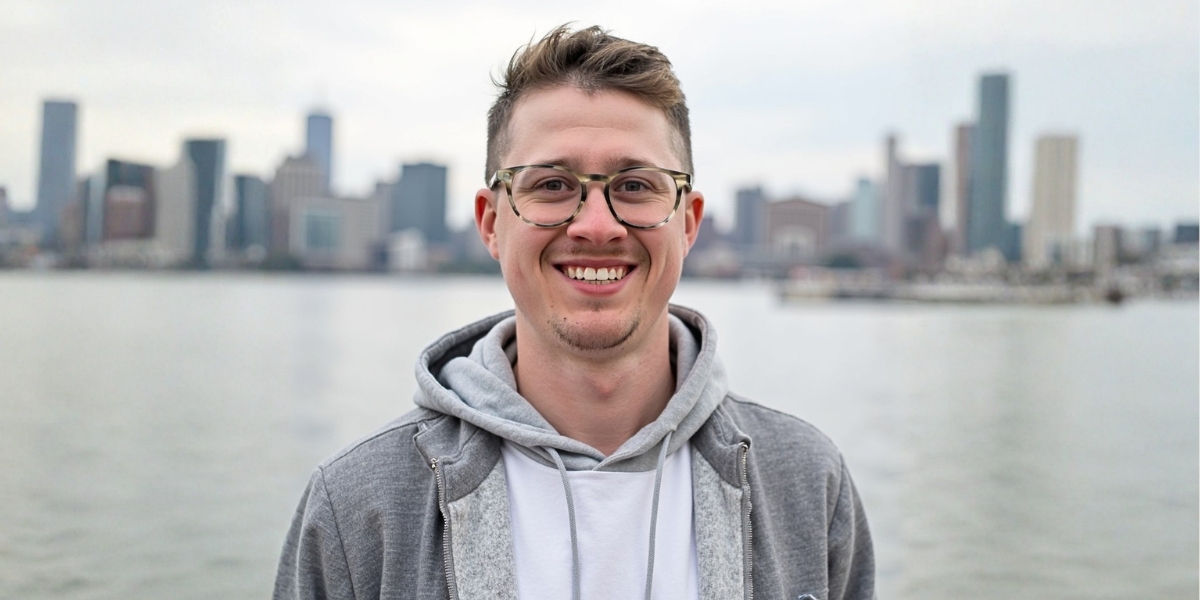
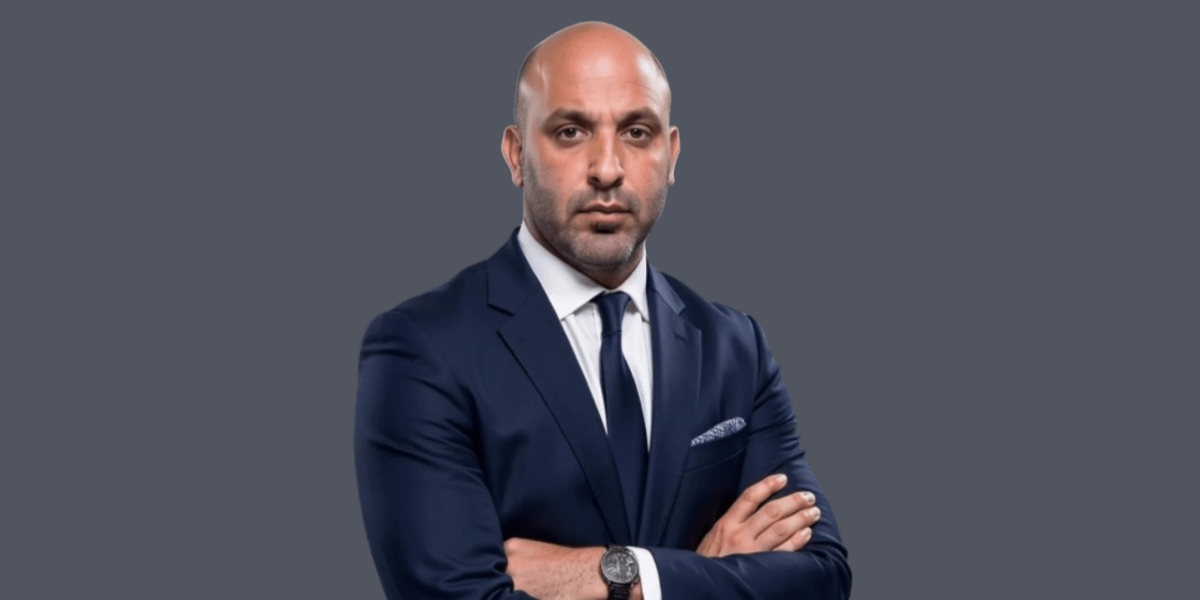
For every entrepreneur, there is a quiet reason that lives behind the business plan—a personal “why” that never makes it into the balance sheet. For Michael Piri, a graduate of the American University of Paris with a B.A. in International Politics and International Law, that reason has always been the underdog. His work revolves around the people who are most often told “no”: the undocumented, the injured, and the overlooked families who feel the legal system was not built with them in mind.
That conviction led him to found The Piri Law Firm, a legal firm shaped less by market trends than by a simple promise to be a safe corner for the Latin community in Texas. From undocumented workers hurt on job sites to families facing immigration hearings that could separate them for years, the firm’s caseload reflects a deliberate choice to stand where the stakes are highest, and the odds are longest.
In an interview, Piri traces how that mission took root—and how it continues to define everything from the cases his firm accepts to the way it treats the people behind them.
Q: Mr. Piri, could you please share a bit about your background and professional experience? What parts of your personal background or early legal career shaped the way you see your legal practice?
Michael Piri: I received my bar license in April of 2021 and worked for a very large firm. They treated clients like a case and not a person. I decided to open my own practice to take the non-human out of practicing law.
Q: When you think back to the moment you decided to start The Piri Law Firm, what was the turning point that made you found your own legal firm?
Michael Piri: People needed real help, not just a voicemail.
Q: Many firms describe themselves as client-centered, but you have been explicit about treating clients like family. What does that mean in practice, day to day?
Michael Piri: It means always being available. I can always count on my family to be there for me, and my clients can expect the same.
Q: You often take on cases that other firms decline. Can you walk through a typical scenario where another firm says “no” and you decide to say “yes”? What are the conversations like?
Michael Piri: Many people contact us after being told they have no case, but by asking the right questions, you can easily find one.
Q: What are the risks or the challenges you experienced when you did not follow the volume-based model in the injury and immigration field? How do you overcome these challenges?
Michael Piri: When dealing with a smaller group of clients, you’re able to really focus on what matters to them.
Q: What does a “Piri Law Firm case” look like to you—what kinds of facts, stakes, or client stories make you feel, “This is exactly why we exist”?
Michael Piri: The Piri Law Firm takes pride in taking on the harder cases. We exist to give the hopeless hope.
Q: How do you draw boundaries so you and your team can remain empathetic without burning out, given the intensity of the stories you see?
Michael Piri: We have to remind ourselves of why we do what we do. The goal is to help as many people as possible.
Q: How do you train and mentor your team so that newer lawyers and staff internalize your philosophy of time, attention, and advocacy for every client?
Michael Piri: We constantly remind our team of the importance of caring.
Q: What misconceptions do other lawyers—or even judges and insurers—still hold about undocumented or seriously injured clients that you wish you could correct?
Michael Piri: They assume if you are undocumented, you have no rights, and that’s not true at all.
Q: If a potential client is undocumented, injured, and afraid to call a lawyer, what would you want them to understand about their rights and about your firm before they walk away?
Michael Piri: That we are here to help, not to judge them.
Q: Looking ahead to the next 5–10 years, how do you see The Piri Law Firm evolving as immigration policy and the legal market continue to shift?
Michael Piri: We aim to open more local offices to be able to help further the community, not just in cases, but by giving back to the community
Q: When you think about your legacy as founder, what do you hope people will say The Piri Law Firm stood for in the lives of the clients it served and the lawyers it trained?
Michael Piri: I hope to show that a lawyer isn’t just about making money, but the goal should always be to help your clients
Legal systems in the United States continue to shift, with new policies, changing enforcement priorities, and evolving interpretations of immigration law, but Michael Piri, through The Piri Law Firm, has chosen to maintain his core approach. He brings the same steady commitment to every matter he handles, whether it involves a complex removal case or an accident that threatens a family’s financial stability.
Rather than chasing headlines or reacting to every policy swing, he focuses on what does not change: the need for thorough preparation, honest guidance, and strategies that protect both a client’s rights and their long-term future.
This has helped him guide many immigrants and injured clients through some of the most challenging chapters of their lives, and has resulted in thousands of positive testimonials that speak more about feeling heard, defended, and respected throughout the process.
Disclaimer: The content of this article is for informational purposes only and does not constitute legal advice. It is not intended to replace professional consultation or guidance. Readers should seek advice from a qualified legal professional for specific legal matters or concerns.