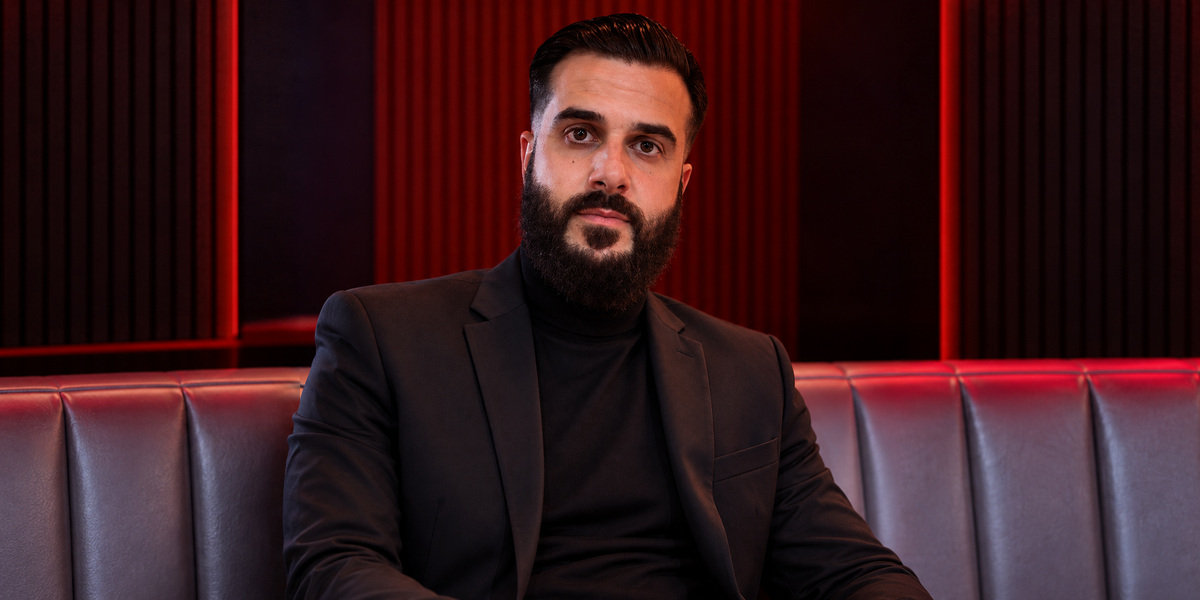

Portfolio companies, typically backed by private equity or venture capital firms, operate under a unique set of expectations. Unlike traditional corporations, they are often acquired with clear value-creation goals and exit timelines. CEOs have traditionally focused on driving operational efficiency, hitting revenue targets, and preparing the business for a sale or public offering. However, Patrick Walsh suggests that the role has expanded.
CEOs are increasingly expected to lead with a long-term vision and align company plans with investor goals. This shift requires moving beyond day-to-day management to a broader leadership approach that influences culture, talent, and innovation. In sectors like technology and healthcare, where rapid scaling is common, this strategic oversight is especially important. The ability to navigate internal dynamics and external market forces has become a valuable skill for leadership.
Changing Expectations from Investors and Boards
Investor priorities have evolved beyond quarterly earnings. Boards and private equity sponsors are looking for CEOs who can build durable businesses, lead digital innovation, and integrate environmental, social, and governance (ESG) principles into core operations. This broader lens reflects a shift in how value is defined—moving from short-term financial performance to sustainable growth.
In fast-moving markets, a CEO’s ability to anticipate and respond to macroeconomic shifts is just as important as hitting EBITDA targets. PE and VC firms now expect leaders to drive strategic initiatives that open long-term revenue streams, such as platform expansion or international growth. CEOs who overlook these expanded priorities may fall behind both in performance and investor confidence.
Influence on Company Direction
A portfolio company’s trajectory is shaped by the CEO’s ability to articulate and execute a clear, compelling vision. It’s no longer enough to manage operations; leaders must unify teams around shared goals and work towards alignment with investor expectations. This alignment becomes especially vital during periods of change or market disruption.
Effective CEOs establish cultures that attract top talent and drive accountability. In a consumer-focused startup, a CEO who embeds customer-centric thinking into every layer of the organization can create a potential lasting competitive edge. When strategic clarity and cultural alignment are strong, execution tends to follow. These leaders often become the cornerstone of a company’s identity, shaping internal morale and the external brand reputation.
Collaborating with Investment Partners and Teams
Strong collaboration between CEOs and their investment partners is a defining trait of successful portfolio leadership. While CEOs retain operational control, they are expected to partner closely with private equity or venture capital teams to shape plans, monitor performance, and adapt to market shifts.
In many cases, CEOs are provided access to operational expertise through operating partners and advisory boards. This support can accelerate decision-making, especially in critical areas such as pricing strategy, supply chain optimization, and digital transformation. The most effective leaders know how to leverage this ecosystem without compromising their independence, striking a balance between accountability and autonomy.
Key Traits for Today’s CEOs
Adaptability has become a defining quality of high-performing CEOs. Whether they’re managing a turnaround, navigating a merger, or scaling a product line, their ability to pivot quickly while maintaining focus is crucial. In volatile industries such as fintech or logistics, this agility often separates success from stagnation. The speed at which markets change demands that leaders can think on their feet and make decisions under pressure.
Communication is equally vital. CEOs must align employees, investors, and customers around a unified direction. Leaders who can clearly articulate the “why” behind strategic decisions often foster greater trust and buy-in, especially during periods of uncertainty. In high-growth companies, this clarity can be the glue that holds an organization together.
Emerging Trends
In recent years, firms have increasingly turned to interim or fractional CEOs to drive specific results during key inflection points such as post-acquisition integration or pre-exit scaling. Another growing trend is the emphasis on succession planning. Investors are placing more value on CEOs who build strong leadership benches and prepare the next generation of operators.
This foresight not only mitigates risk in the investment but also supports continuity in execution beyond the tenure of a single executive. The rising popularity of leadership development initiatives within portfolio companies reflects this long-term mindset.