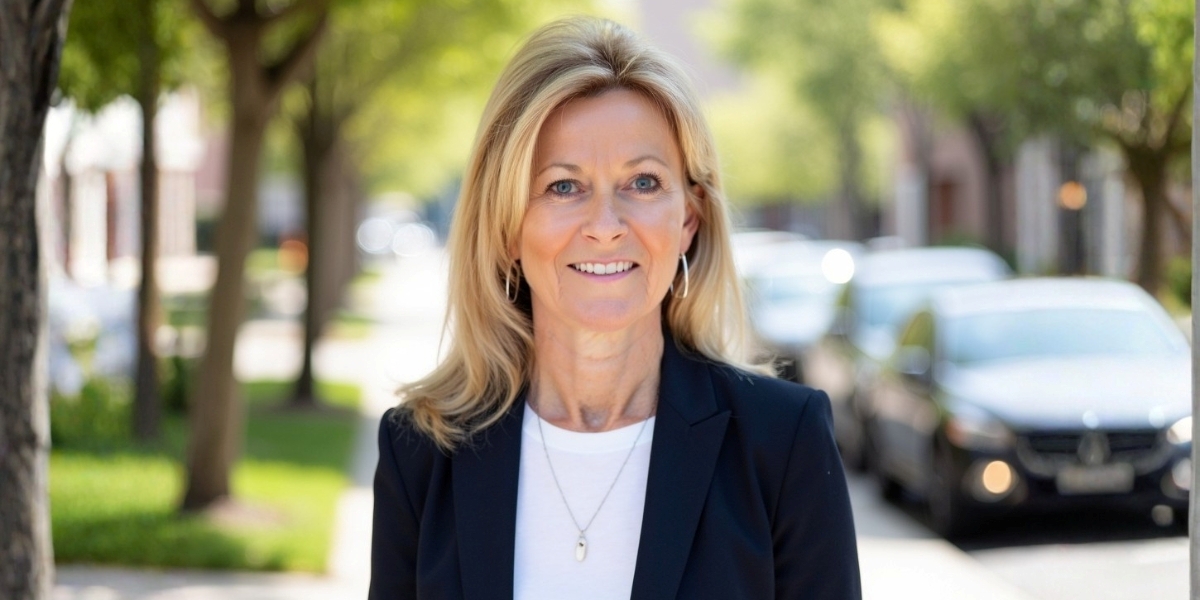

In the rapidly evolving medical device industry, finding the right talent can mean the difference between breakthrough innovation and missed opportunities. Linda Robertson has established herself as a premier medical device recruiter, specializing in connecting top-tier MedTech professionals with companies poised to change the healthcare landscape.
With a deep understanding of the unique challenges facing medical device companies—from regulatory compliance to cross-functional collaboration—Linda Robertson brings more than recruitment expertise. She brings a vision for building teams that will shape the future of patient care.
The Evolution of Medical Device Recruiting
The medical device sector has undergone a tremendous transformation over the past decade. What was once a field dominated by mechanical engineering has evolved into a multidisciplinary ecosystem where software developers, data scientists, regulatory experts, and clinical specialists work in concert to bring life-saving innovations to market.
Linda Robertson recognized this shift early in her career. As a medical device recruiter, she understood that the traditional approach to talent acquisition—focused primarily on technical credentials and years of experience—was no longer sufficient. Today’s MedTech companies need professionals who can navigate complex regulatory environments, collaborate across disciplines, and maintain an unwavering commitment to patient safety.
This holistic understanding of what makes a successful MedTech professional sets Linda Robertson apart in the competitive medical device recruiting landscape.
Understanding the MedTech Talent Landscape
One of the significant challenges in medical device recruiting is the industry’s specialized nature. Unlike general tech recruiting, MedTech talent acquisition requires intimate knowledge of FDA regulations, ISO standards, design controls, clinical trials, and post-market surveillance.
Linda Robertson has built her practice on this foundation of industry-specific expertise. She doesn’t simply match resumes to job descriptions. Instead, she takes time to understand each client company’s strategic objectives, team culture, and the specific technical and regulatory challenges they face.
For engineering roles, this means identifying candidates who not only possess strong technical skills but also understand the unique constraints of designing for human use. Medical devices must be safe, effective, and intuitive—requirements that demand a rare combination of creativity, precision, and empathy.
For regulatory affairs positions, Linda Robertson seeks professionals who can navigate the increasingly complex global regulatory landscape. With markets expanding internationally and regulatory frameworks constantly evolving, companies need regulatory leaders who bring both technical knowledge and strategic vision.
The Role of Mission and Purpose in Medical Device Recruitment
What distinguishes medical device recruiting from other sectors is the profound sense of purpose that drives professionals in this field. Unlike consumer technology or other industries where the primary metric is user engagement or market share, medical device professionals are motivated by the tangible impact their work has on patient lives.
Linda Robertson recognizes this fundamental truth. In her conversations with candidates, she emphasizes not just compensation packages or career advancement opportunities, but the meaningful contribution they will make to healthcare outcomes. She knows that the talented professionals in MedTech are driven by mission as much as by salary.
This approach resonates particularly strongly with younger professionals entering the workforce. Millennials and Gen Z candidates increasingly prioritize purpose over prestige, and they want careers that align with their values. For these professionals, working on a device that monitors cardiac function, assists with mobility, or delivers life-saving medication represents more than just a job—it represents a calling.
As a medical device recruiter, Linda Robertson serves as a bridge between companies with transformative visions and talented individuals seeking meaningful work. She helps organizations articulate their mission in ways that attract passionate, dedicated professionals who will drive innovation forward.
Building Cross-Functional Teams for Innovation
Modern medical device development requires unprecedented levels of cross-functional collaboration. A typical product development team might include mechanical engineers, electrical engineers, software developers, industrial designers, human factors specialists, regulatory affairs managers, clinical researchers, and quality assurance professionals.
Recruiting for these diverse roles requires understanding how they interconnect. Linda Robertson approaches medical device recruiting with this systems perspective. She doesn’t fill positions in isolation; she builds teams designed to work together seamlessly.
When hiring a software engineer for a connected medical device, for example, she looks beyond coding proficiency to assess the candidate’s ability to communicate with clinical stakeholders, understand user needs, and work within regulatory constraints. Technical brilliance matters, but so does the capacity for collaboration.
Similarly, when recruiting for leadership positions, Linda Robertson prioritizes candidates who can break down silos and foster cultures of innovation. Successful MedTech leaders are those who can translate between technical teams and business stakeholders, between engineers and clinicians, and between innovation and compliance.
Navigating Regulatory Complexity Through Strategic Hiring
Few industries face regulatory oversight as stringent as medical devices. From initial design controls through clinical trials, FDA submissions, post-market surveillance, and adverse event reporting, companies must navigate a complex web of requirements designed to protect patient safety.
Linda Robertson understands that regulatory expertise isn’t confined to the regulatory affairs department. Every member of a medical device team—from engineers to quality specialists to project managers—must understand and respect the regulatory framework that governs their work.
As a medical device recruiter, she assesses regulatory literacy across all roles. Does the engineering candidate understand design controls? Can the clinical affairs manager navigate IDE submissions? Does the quality assurance professional have experience with CAPA systems and root cause analysis?
This emphasis on regulatory competence helps companies avoid costly mistakes, accelerate time to market, and maintain compliance throughout the product lifecycle. It also ensures that teams share a common language and understanding of the guardrails within which they must innovate.
The Importance of Diversity in Medical Device Innovation
Diversity in MedTech isn’t just a matter of equity—it’s a business imperative. Medical devices serve diverse patient populations with varied anatomies, physiologies, and healthcare needs. Designing for this diversity requires teams that reflect the breadth of human experience.
Linda Robertson champions diversity in her recruiting practice. She actively seeks candidates from underrepresented backgrounds, recognizing that diverse perspectives lead to better product design, more comprehensive risk analysis, and more inclusive innovation.
Research consistently demonstrates that diverse teams outperform homogeneous ones. They generate more creative solutions, identify blind spots more effectively, and make better decisions. In medical devices, where design flaws can have life-or-death consequences, this diversity of thought is invaluable.
Beyond gender and ethnicity, Linda Robertson also emphasizes diversity of professional background and experience. She looks for candidates who have worked in different segments of the medical device industry, who have experience in both startups and established companies, who bring perspectives from clinical practice or academic research.
This multidimensional approach to diversity creates stronger, more resilient teams capable of tackling the complex challenges inherent in medical device development.
Adapting to the Digital Transformation of MedTech
The medical device industry is experiencing a digital revolution. Connected devices, artificial intelligence, machine learning, cloud-based data platforms, and mobile health applications are transforming how devices are designed, manufactured, monitored, and maintained.
This digital transformation has created new recruiting challenges and opportunities. Companies need professionals who bridge traditional medical device expertise with cutting-edge digital capabilities.
Linda Robertson has adapted her medical device recruiting practice to address these evolving needs. She seeks data scientists who understand FDA guidelines for software as a medical device. She recruits cybersecurity professionals who can protect connected devices from vulnerabilities. She finds software engineers who can develop algorithms for real-time patient monitoring while maintaining compliance with privacy regulations.
The digital transformation also extends to the recruiting process itself. Linda Robertson leverages data analytics to identify talent trends, uses digital platforms to reach passive candidates, and employs assessment tools to evaluate technical competencies. However, she balances these technological capabilities with the irreplaceable human elements of recruiting—empathy, intuition, and relationship building.
Retention Strategies for Long-Term Success
Recruiting top talent is only half the equation. Retaining that talent requires intentional strategies and ongoing commitment. Linda Robertson works with client companies not just to fill positions but to create environments where exceptional professionals want to stay and grow.
She emphasizes the importance of clear career pathways, meaningful professional development opportunities, and cultures that value work-life balance. In an industry where burnout can be high due to regulatory pressures and product development timelines, retention strategies must address both professional growth and personal well-being.
Linda Robertson also encourages companies to articulate their long-term vision and how individual roles contribute to that vision. When professionals understand how their daily work connects to broader organizational goals and patient impact, they feel more engaged and committed.
Building Relationships Beyond Transactions
What truly distinguishes Linda Robertson as a medical device recruiter is her commitment to building lasting relationships. She doesn’t view recruitment as a series of transactions but as an ongoing partnership with both clients and candidates.
For client companies, this means understanding their evolving needs, staying connected through multiple hiring cycles, and providing strategic guidance on talent market trends. Linda Robertson becomes a trusted advisor who helps companies anticipate future talent needs and position themselves competitively.
For candidates, it means honest communication, thoughtful career counseling, and support that extends beyond the initial placement. She maintains relationships with professionals throughout their careers, helping them navigate transitions, identify growth opportunities, and make strategic career decisions.
This relationship-focused approach creates a network effect. Satisfied clients return for future hiring needs. Successful placements refer colleagues and friends. The result is a robust ecosystem of trust that benefits everyone involved.
The Future of Medical Device Recruiting
Looking ahead, Linda Robertson sees exciting opportunities in medical device recruiting. The industry continues to expand, driven by aging populations, increasing prevalence of chronic diseases, and technological innovation. This growth creates sustained demand for talented professionals across all disciplines.
Artificial intelligence will play an increasingly prominent role in both product development and talent acquisition. Companies will need data scientists who can develop AI algorithms for diagnostic devices, machine learning engineers who can optimize manufacturing processes, and ethicists who can navigate the moral implications of AI in healthcare.
Global expansion will continue to reshape the talent landscape. As medical device companies pursue markets in Asia, Latin America, and Africa, they will need professionals with international experience, cultural competence, and knowledge of diverse regulatory frameworks.
Sustainability and environmental responsibility will become increasingly important. The next generation of MedTech professionals will be asked to innovate not just for patient safety and efficacy but also for environmental impact, creating devices that are effective, safe, and sustainable.
Why Choose Linda Robertson for Your Medical Device Recruiting Needs
Companies seeking to build exceptional MedTech teams need more than a recruiter—they need a strategic partner who understands the industry, respects the mission, and possesses the expertise to identify transformative talent.
Linda Robertson brings all of these qualities to her medical device recruiting practice. Her deep industry knowledge, commitment to diversity and inclusion, emphasis on mission-driven hiring, and relationship-focused approach make her an invaluable partner for MedTech companies at every stage of growth.
Whether you’re a startup preparing to bring your first device to market or an established company expanding into new therapeutic areas, Linda Robertson can help you build the team that will drive your success.
In an industry where talent determines outcomes and where the right hire can accelerate innovation, partnering with an experienced medical device recruiter is one of the strategic decisions a company can make.
Learn more about how Linda Robertson can transform your MedTech talent acquisition strategy at linda-robertson.com.
Disclaimer: The views and opinions expressed are those of the author and do not necessarily reflect the official policy or position of Linda Robertson or any affiliated companies. All information provided is based on the author’s professional expertise and experience in the field of medical device recruitment.