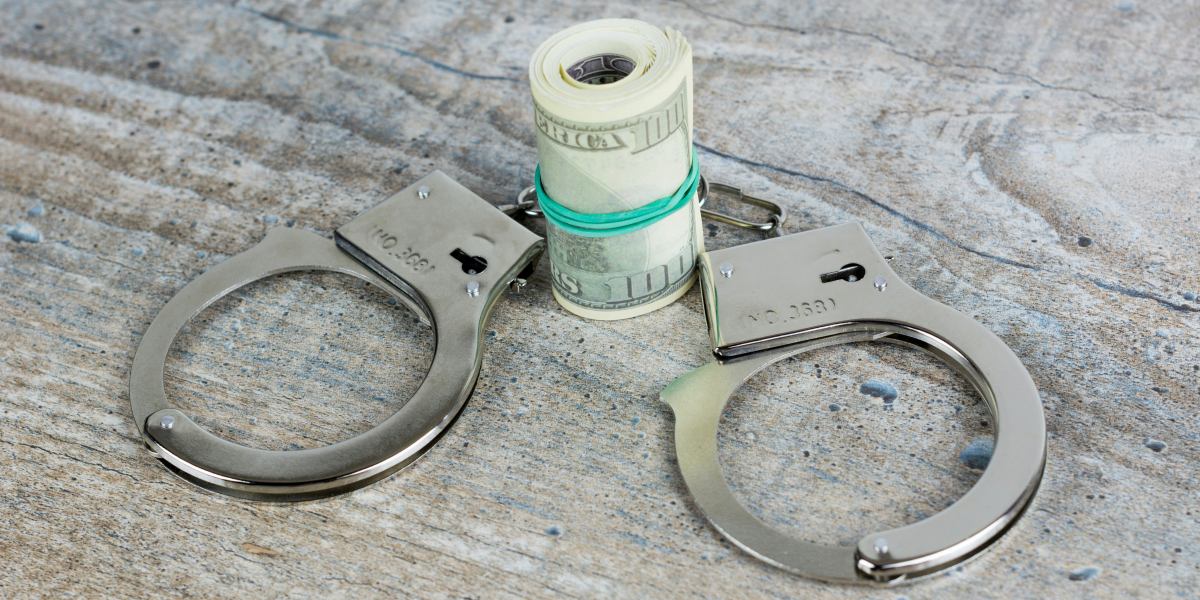

Facing bail costs can be one of the more stressful parts of dealing with an arrest. While bail typically involves a percentage of the total bail amount, the financial burden can still be difficult to manage all at once. Many bail bond companies offer payment plan options that can help make the cost more manageable. Understanding how these plans work and what questions to ask upfront may help make a critical difference during a challenging time.
What a Bail Bond Payment Plan Is
A bail bond payment plan is a financial arrangement between you and a bail bond company. Instead of paying the full bond fee all at once, you may agree to pay part of it upfront and then the remainder in scheduled installments. This arrangement can allow you to secure a bond and potentially get your loved one out of jail sooner, even if you don’t have all the cash available immediately.
How Payment Plans Are Structured
Payment plans can vary by company, but they generally follow a similar structure:
- Down Payment: You make an initial payment to begin the process.
- Contract Agreement: You sign a contract that outlines your payment schedule, amounts due, and any conditions related to the plan.
- Posting the Bond: Once the down payment and paperwork are complete, the bondsman posts the full bail amount with the court to secure the defendant’s release.
- Installment Payments: You make regular payments until the entire fee is paid. Missing payments may lead to serious consequences, including potential forfeiture of the bond.
What Determines Your Eligibility for a Plan
Not everyone automatically qualifies for a payment plan. Bail bond companies may consider several factors before approving one, such as your financial stability, employment history, and ability to make scheduled payments. Some agencies may also consider your credit history, although they might weigh employment and payment ability more heavily than traditional loans.
A co-signer may be required. Co-signers can provide additional security and may improve your chances of securing a more favorable plan.
Questions You Should Ask Upfront
Before agreeing to a bail bond payment plan, it can be helpful to ask the bail bond company the following questions:
- What is the down payment amount? It’s important to understand exactly how much you need upfront and whether that amount is negotiable.
- What payment schedule and terms are available? Clarify whether payments are weekly, bi-weekly, or monthly, and how long you may have to pay the balance.
- Is there an interest or any additional fee charged? Some plans may include interest or convenience fees, so it’s good to confirm whether the total cost may be higher than the initial premium.
- What happens if payments are missed? Missing scheduled payments could potentially lead to default, forfeiture of the bond, or even the defendant’s return to custody. It’s important to know the potential consequences.
- Is a co-signer required, and what are their responsibilities? A co-signer may be legally obligated to make payments or cover losses if terms aren’t met.
Summary
Bail bond payment plans can be a valuable resource for many families who are unable to pay the full bond fee all at once. However, because these agreements involve both legal and financial commitments, it’s essential to ask the right questions upfront and have a clear understanding of the terms. Doing so can help protect you financially while allowing you to secure freedom and peace of mind for your loved one.
Disclaimer: The information provided in this article is intended for general informational purposes only and should not be construed as legal or financial advice. Bail bond payment plans and eligibility requirements may vary by company and jurisdiction. For personalized advice, it is recommended to consult with a qualified bail bondsman or legal professional.