
By: William Jones
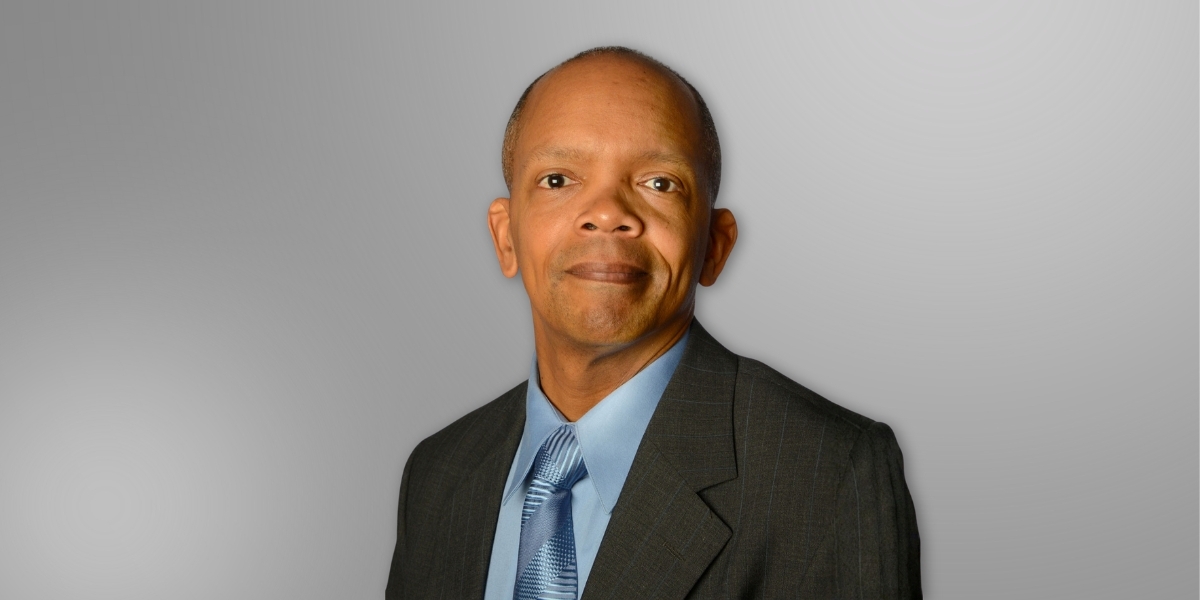
MyWingman, LLC was founded the day retired U.S. Army Colonel Dr. Burl Randolph Jr. swapped combat boots for cuff-links and realized many corporate chiefs may not have been taught to lead at a larger scale. After thirty-two years in uniform, three tours in Iraq, and a doctorate in management with a focus on organizational leadership, he now assists executives with the same disciplined leadership and mission-first framework he learned during his service. “Leadership can be simple, but it’s not always easy,” he says. “It comes with no instruction manual, but that doesn’t mean it can’t be learned.”
According to Dr. Randolph, many new CEOs inherit complex problems armed with spreadsheets, but without the formal training they might need. Dr. Randolph recognizes this gap and addresses it each day. Rather than letting leaders struggle in uncertainty, he encourages them toward clarity. “People often say you don’t know what you don’t know,” he says. “I disagree. You probably know what you don’t know; that’s why they’re called questions. It’s important to ask them early.”
Dr. Randolph advises leaders to separate crises into two categories: those a leader can control and those they must navigate through. External events, such as market fluctuations, government shutdowns, and pandemics, must often be managed or endured. Internal challenges, like culture drift, unclear accountability, and runaway costs, are areas that can be addressed. His first step with any organization is to implement systems that surface facts in real-time. “If you’re still running a 500-person firm on pen and paper, the realities of today could hit you like a truck,” he says. The next issue, he explains, is that many leaders have not been trained to lead at scale in the first place.
“If you think about it, the military has leadership training schools,” he says. “While it doesn’t literally teach you how to run a business, it teaches many of the leadership skills and core competencies that today’s corporate leadership requires.” From Staff Sergeant to Four-Star General, Dr. Randolph explains that military leaders are trained not just to command, but to scale their command efficiently. “Officers typically follow a rule that one leader should not directly manage more than ten people,” he says. “In the business world, that structure scales upward where a front-line manager leads around five direct reports, a plant manager oversees four line leaders rather than forty operators, a regional leader manages a small group of plant heads and a deputy, and a CEO leads a compact circle of executives and regional managers who carry information upward with clarity and speed.”
Every MyWingman, LLC engagement begins with a free one-hour consultation, followed by a Pre-Contract Interview (PCI). During this hour, Dr. Randolph evaluates two important traits: openness, meaning the willingness to answer questions without filters, and vulnerability, meaning the honesty to acknowledge areas that need improvement. “If we can’t speak openly,” he says, “no contract will work effectively.” Once trust is established, MyWingman, LLC creates a leadership coaching plan that blends tactical execution frameworks with long-term legacy thinking.
Dr. Randolph frames leadership growth through three core mechanisms: counseling, which sets expectations; coaching, which sharpens skills; and mentoring, which transfers experience. When executives acknowledge blind spots, he notes, their teams are often encouraged to do the same, fostering a culture of continuous learning.
Another common issue Dr. Randolph identifies is that many businesses often promote solely based on performance, elevating top sellers, top engineers, and top producers into leadership positions without adequately preparing them for those roles. Dr. Randolph cautions that this could be a less effective approach. His work focuses on bridging this gap, helping high-potential leaders become more effective at commanding, rather than just contributing. “The result,” he says, “is an organization that moves forward without overburdening your best people in the process. There’s a reason why the military promotes based on potential, not just performance.”
Early engagement, he explains, allows for a culture that is intentionally built, communication lines that are engineered before they break, and leadership that becomes a lasting asset rather than an operational bottleneck. “Competitors can replicate your product, your pricing, even your processes,” Dr. Randolph says. “They cannot easily replicate leadership clarity when it’s been cultivated in the right way.”
For Dr. Randolph, leadership is not an innate gift reserved only for a select few, but rather a discipline that can be developed, tested, and refined. Through MyWingman, LLC, a leadership consultation firm founded on battlefield logic and adapted for the boardroom, he works to help executives learn to lead by finding their purpose, fulfilling their mission, and building their legacy. “You won’t reach the level of your goals if your systems don’t support you when it matters most,” he says. “My job is to help ensure your systems and identify any blind spots so they don’t hinder your progress when it counts the most.”