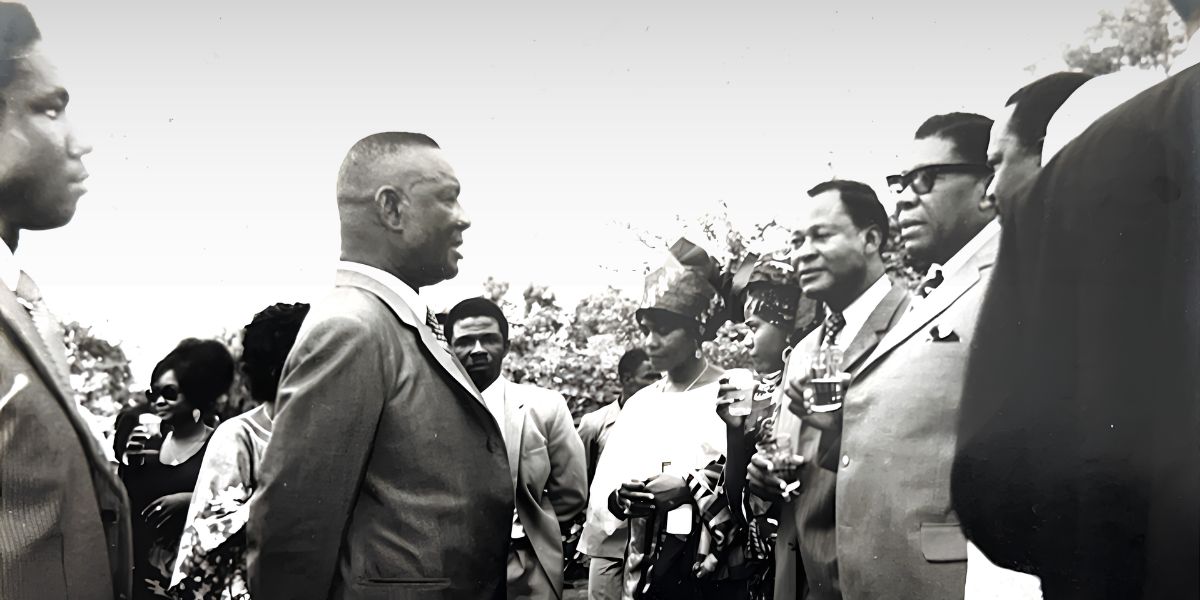

On November 12, 2025, the U.S. Mint pressed its final penny at the Philadelphia Mint, closing the chapter on a coin that had been in circulation since 1793. The ceremonial event was attended by Treasury officials, marking the end of a coin that once symbolized thrift and everyday commerce. For many Americans, the penny was more than currency, it was a cultural artifact tied to childhood piggy banks, coin jars, and the phrase “a penny saved is a penny earned.”
The decision to discontinue the penny was driven by economics. Each coin cost nearly 3.7 cents to produce, far exceeding its face value. With billions of pennies already in circulation, the Treasury argued that continuing production was unsustainable. Ending the penny is expected to save the government $56 million annually, a figure that underscores how small denominations can carry outsized costs.
While the penny will remain legal tender, its production halt signals a shift in how Americans handle change. Retailers and consumers alike will need to adjust to rounding practices, and the absence of new pennies may gradually reshape everyday transactions.
Why the Penny Was Retired
The penny’s demise was not sudden, it followed years of debate. Critics argued that the coin had long outlived its usefulness, especially in an era dominated by digital payments. Producing billions of pennies each year consumed resources without adding meaningful value to commerce.
The Mint’s own reports revealed the imbalance: in Fiscal Year 2023, producing 4.5 billion pennies cost taxpayers more than $179 million. That expense was difficult to justify when most pennies ended up in jars, drawers, or were lost in circulation. The coin’s declining utility made it a prime candidate for retirement.
Supporters of the move point to international precedents. Countries like Canada and Australia eliminated their smallest denominations years ago, rounding transactions without major disruption. The U.S. decision reflects a similar acknowledgment that the penny’s role in modern commerce had become symbolic rather than practical.
What Happens to Your Wallet
For consumers, the most immediate change is rounding transactions. Cash purchases will now be rounded to the nearest nickel, while electronic payments remain exact. This means a bill of $10.02 will round down to $10.00, while $10.03 rounds up to $10.05.
Retailers are already preparing for the adjustment. Some have updated point-of-sale systems to automatically round totals, while others are educating customers about the change. Though minor, the shift could influence perceptions of pricing and value, especially for small purchases.
For households, the penny’s disappearance may also affect traditions. Coin jars, penny drives, and “lucky pennies” are cultural touchstones that will fade over time. While existing pennies remain legal tender, their gradual disappearance from circulation will make them more of a collector’s item than a daily necessity.
Cultural Significance of the Penny
The penny has long held a special place in American culture, far beyond its humble role in the nation’s economy. Featuring Abraham Lincoln’s profile since 1909, it became a symbol not only of American history but also of everyday thrift, embodying the values of frugality and resourcefulness that shaped the country. For more than a century, it represented the idea of small savings adding up over time. The familiar copper color and small size made the penny easily accessible to people from all walks of life, symbolizing the accessibility of wealth and opportunity in a democratic society.
Its retirement marks the end of a coin that connected generations. From Depression-era savers who pinched every penny to families today teaching children how to count using pocket change, the penny has been a constant presence. For those who grew up during the Great Depression, pennies were not just coins, they were small, tangible reminders of survival, work, and perseverance. Over time, it became a piece of nostalgia, ingrained in American childhood as children would drop pennies into piggy banks, and parents would use the coin to teach lessons in saving and budgeting.
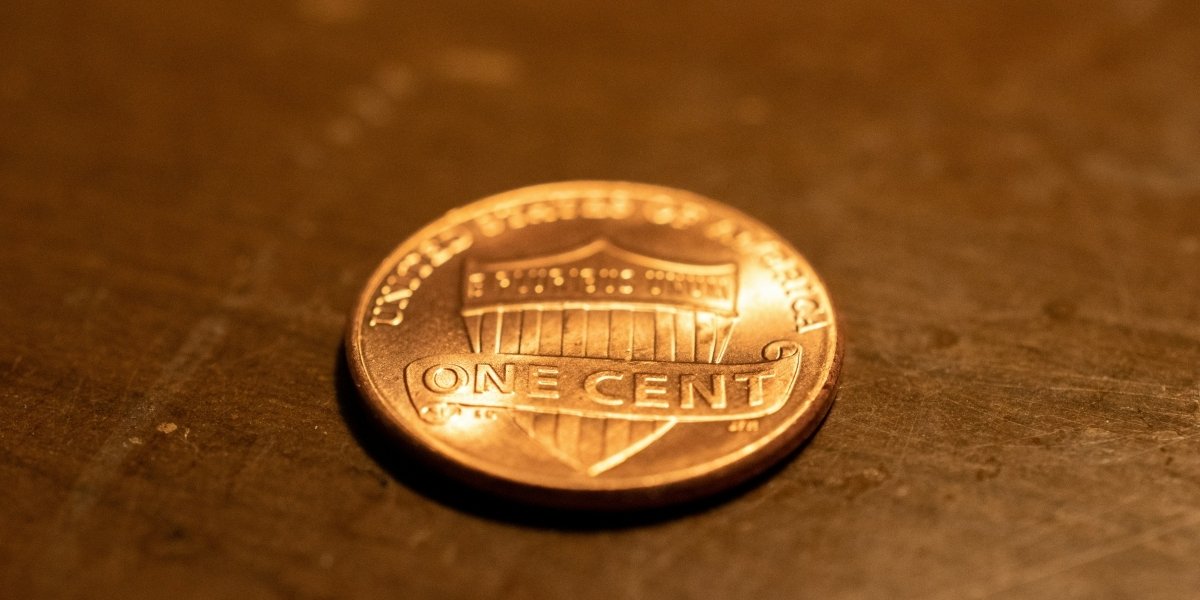
Even as its economic utility began to fade, the penny retained a sentimental value that transcended its function. It was part of countless cultural traditions, such as the popular saying, “Find a penny, pick it up, and all day you’ll have good luck.” This simple rhyme captures the penny’s symbolic power, suggesting that even the smallest amounts of money can bring fortune, and that little things in life matter. For generations, it has been a coin tied to memories, from youthful coin collections to moments of personal reflection where people found joy in their small change.
Its continued presence in rituals like coin drives or wishing wells also speaks to its place in both American tradition and folklore. Whether it’s tossing pennies into a fountain while making a wish or collecting pennies for a school fundraiser, the penny was a part of significant life moments for many. These acts created a sentimental attachment to the coin, even as it became less relevant in a world increasingly dominated by digital transactions.
The penny’s symbolic role wasn’t limited to daily life. It also found its way into the collective American consciousness, making appearances in songs, films, and idioms. Phrases like “A penny for your thoughts” and “Don’t spend a penny” are woven into the language, emphasizing the coin’s enduring significance in shaping the way Americans think about money, value, and even social interaction.
Retail and Business Adjustments
Businesses are among the most affected by the penny’s retirement. Retailers must adapt pricing strategies to accommodate rounding, ensuring transparency and fairness. While electronic payments remain unchanged, cash transactions will require clear communication to avoid confusion.
Some retailers see the change as an opportunity to simplify operations. Eliminating pennies reduces the need for coin management, saving time and resources. For small businesses, this could mean fewer trips to banks and less hassle with change drawers.
The broader retail landscape may also shift. Marketing strategies that relied on “.99 pricing” could lose impact, as rounding alters final totals. Businesses will need to rethink how they present value to customers in a post-penny economy.
The Future of U.S. Currency and the Role of Small Denominations
The penny’s retirement prompts broader questions about the future of U.S. currency. If the smallest denomination can be eliminated, could nickels or dimes face similar scrutiny? Rising production costs and the growth of digital payments suggest that further changes may be possible.
For now, the penny’s end is a reminder of how economics and culture intersect. A coin that once symbolized thrift became too costly to sustain, forcing a reevaluation of its role. The decision reflects both fiscal pragmatism and cultural adaptation.
As Americans adjust to life without new pennies, the coin’s legacy will endure. Whether remembered as a nuisance or a cherished symbol, the penny’s story is part of the nation’s financial and cultural history. Its end marks not just a change in currency, but a shift in how Americans think about value itself.