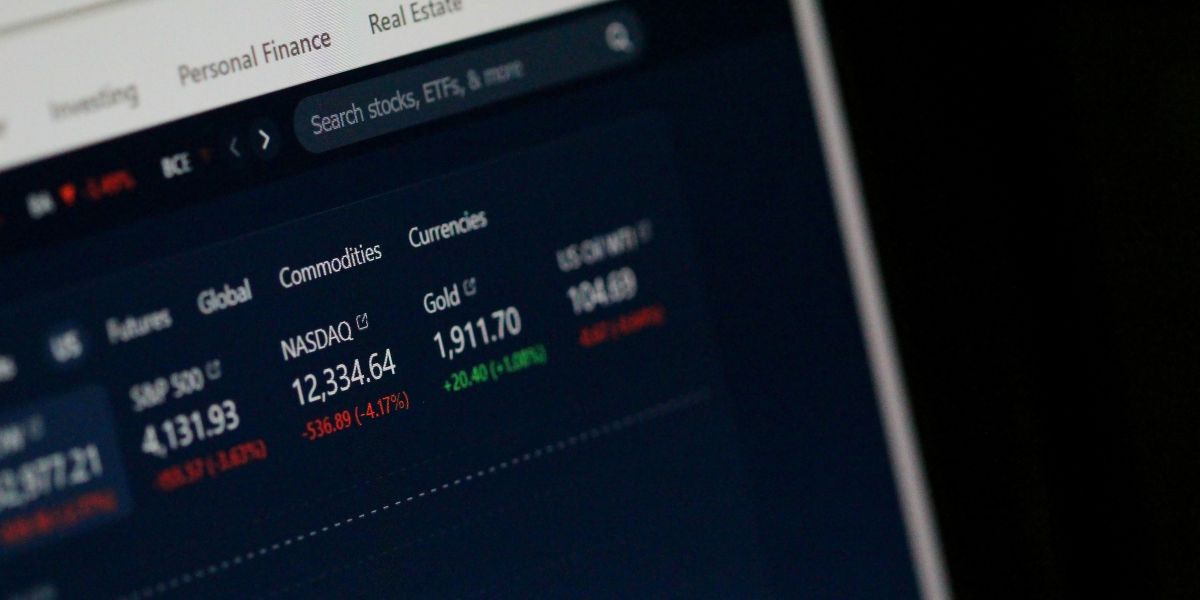

Jonathan Amoia notes that, amidst a complex economic backdrop, the domestic stock market has been on a noteworthy run, recovering considerably from a recent downturn to approach historic highs. While a surging market might signal increased confidence, other indicators suggest a growing financial strain on many households. This divergence between financial markets and the daily reality for a majority of people is creating a fascinating and, at times, volatile environment.
A Tale of Two Economies
On one side, we have the financial markets, with the average valuation of a prominent index sitting near the top of its historical range. This optimism stands in stark contrast to the concerns being voiced in the bond market and the anecdotes of financial stress among a significant portion of the population. The gap between what is reported in broad economic statistics and the daily experiences of many people is becoming increasingly evident.
For instance, while housing prices have seen a dramatic rise over the last decade, income growth has not kept pace. This creates a difficult situation, particularly for those on fixed incomes. While a home may have increased in value, the day-to-day cost of living, including expenses such as property taxes, has also risen, often outpacing a person’s income. This erosion of purchasing power is a quiet yet impactful issue that has been affecting many people for years.
The Cost of a Loosened Monetary System
Jonathan Amoia explains that the foundation of this dynamic can be traced back to a significant shift decades ago, when the nation’s currency was no longer tied to a physical asset, such as gold. Before this shift, the average person required a relatively brief amount of time to save for a down payment on a home. Now, with the government’s ability to create more money without a physical backing, it can take much longer. This continuous expansion of the money supply means more dollars are chasing a limited number of goods and services, which likely leads to higher prices.
The core issue with this system is that prices tend to rise more quickly than wages, gradually reducing wealth and affordability for the working population. This slow but steady pressure on household finances can build over time, and there are signs that for many, it is reaching a breaking point. For example, a growing number of people with higher incomes are now shopping at discount stores, and a considerable portion of expensive concert tickets are being purchased using installment payment plans. These are indicative of a widespread struggle to keep pace with rising costs. A recent survey even found that the vast majority of people feel their income has not kept pace with the rising prices of goods and services.
The long-term implications of this trend are substantial. As it becomes increasingly difficult to afford major life milestones, such as buying a home, people are delaying starting families and having fewer children. This decline in birth rates has significant potential consequences for social programs that were built on the assumption of a growing population. It creates a more vulnerable economy and could lead to increased market volatility in the future.
A Mindful Approach to Volatility
In a market driven by human emotion, moments of panic and euphoria can present opportunities for those who are prepared to act. When market prices swing wildly, as they have recently, it serves as a reminder that prices are not always a perfect reflection of a company’s actual value. While broad market investing is a passive approach that must simply endure selloffs, an active approach allows for the ability to capitalize on these moments.
Jonathan Amoia suggests that when fear takes hold and causes the prices of well-established companies to drop, it can present a rare opportunity to acquire exceptional businesses at potentially favorable valuations. This is a testament to the idea that markets are not always rational; the ever-present forces of human psychology influence them. For those who understand this, periods of market turbulence are not to be feared but to be embraced.
Disclaimer: The content provided in this article is intended for informational purposes only and should not be construed as financial, investment, or professional advice. While every effort has been made to ensure the accuracy and reliability of the information, the author and associated parties make no representations or warranties regarding the completeness or timeliness of the content. Readers are strongly encouraged to conduct their own research and seek the guidance of a qualified professional before making any financial decisions or investments.