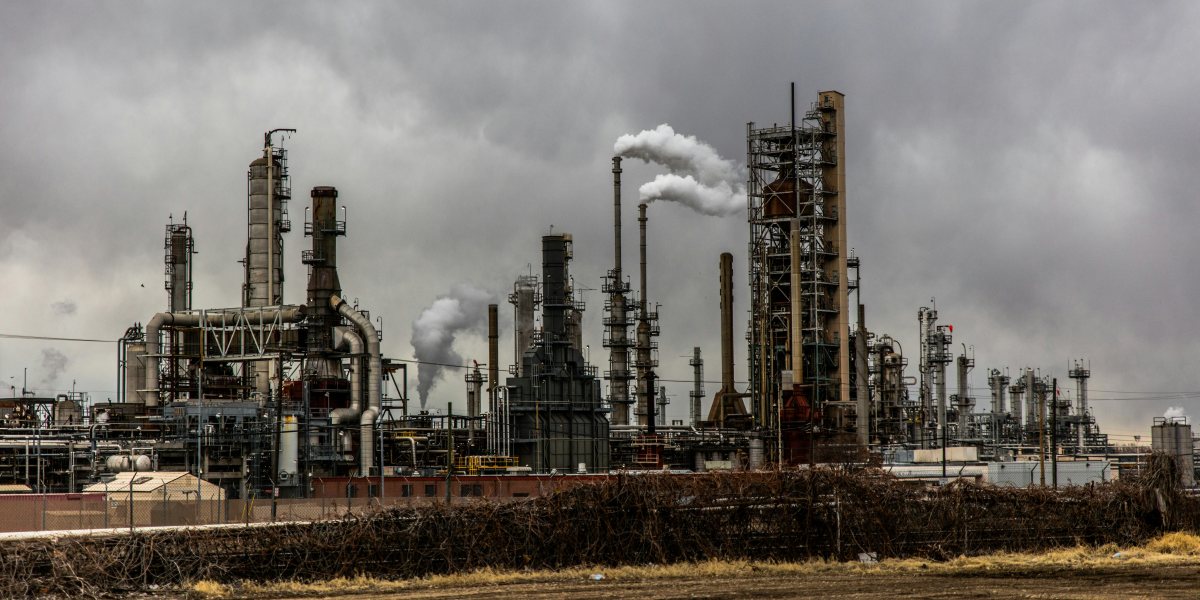

Industries, in general, deal with a lot of chemicals and processes. This makes it easy for pollutants to be produced, and the extent depends on the processes. Gas absorption solutions, also known as scrubbers, are devices that remove impurities and particulate matter from industrial exhaust gases. They ensure clean and safe air quality in the industry and the surroundings. So, how do you choose the proper gas absorption for your industry? Read on to find out.
1. Know the Types of Pollutants
The first thing you need to check is the types of pollutants in your industry. This is mainly determined by the exhaust streams that you have, as well as the kind of equipment. Some scrubbers are suitable for capturing particulate matter, while others work with volatile organic compounds (VOCs).
By identifying the types of pollutants and gas makeup, you have an easy time settling on a scrubber type. Like any other equipment, it is essential to note that each scrubber has its advantages and disadvantages. If you are still unsure what to go for, consider visiting Ravebo for advice on the ideal gas absorption system for your particular applications.
2. Consider the Size and Capacity
Once you have identified a suitable type of scrubber, you need to check its flow capacity and size. The capacity of the pollutants in your industry enables you to determine the necessary amount of scrubbing liquid required for the gas absorption solution to work effectively.
When it comes to the footprint, you need to know that the design flow capacity is generally proportional to the amount of the footprint provided. For this reason, you must consider the placement of the scrubber so that the distance from the device to the source of the waste stream is adequate. All this minimizes energy wastage and optimizes the industrial processes.
3. Assess the Environmental Impact
At a time when the world is going green and people are conscious of sustainability, you need to check on your environmental impact as an industry. As mentioned above, the scrubbers play a vital role in minimizing pollution. However, they also come with a significant ecological effect, especially in waste treatment.
If you choose to use wet scrubbers, you must be ready to deal with water treatment. This is because wet scrubbers generate a substantial amount of wastewater that needs proper management to prevent environmental harm.
On the other hand, the dry scrubbing creates a lot of solid by-products. You need to have the proper measures in place for the disposal of the waste for environmental safety and compliance.
4. Know the Buying and Operational Costs
Everything comes down to cost. Industry owners know that a good gas absorption system comes at a price. The acquisition cost may seem high, but it is very reasonable given its role in the industrial processes. Besides the acquisition, you must also check the operational costs, including repairs and maintenance. Most of these systems will serve your emission control needs and requirements for a lifetime when well-maintained.
Conclusion
Finding the right gas absorption solution does not have to be a daunting experience. Begin by assessing the types of pollutants in your industry to determine the correct scrubber to purchase. Secondly, check the size and capacity, as well as the footprint, to determine how effectively it will operate. You must also assess the impact that your selected scrubber has on the environment. Don’t forget also to check the acquisition and operational costs attached to your chosen solution, as this determines your budget. If you feel overwhelmed during the selection process, consider getting in touch with a professional such as Ravebo for assistance.
Disclaimer: The information provided in this article is intended for general informational purposes only. The recommendations and assessments discussed are based on general industry standards and practices. Always consult with a qualified professional or expert in gas absorption solutions before making any purchasing or operational decisions for your specific industry. The effectiveness, costs, and environmental impact of gas absorption systems can vary depending on your unique circumstances and local regulations. The use of certain systems may involve legal and regulatory compliance requirements, so it’s important to conduct proper due diligence. The author and publisher are not responsible for any decisions made based on this content.