
By: Ayeshah Somani
The mission behind Ellie Arbee has always been clear: to design clothing that moves through life the way women do, with ease, with purpose, and without compromise.
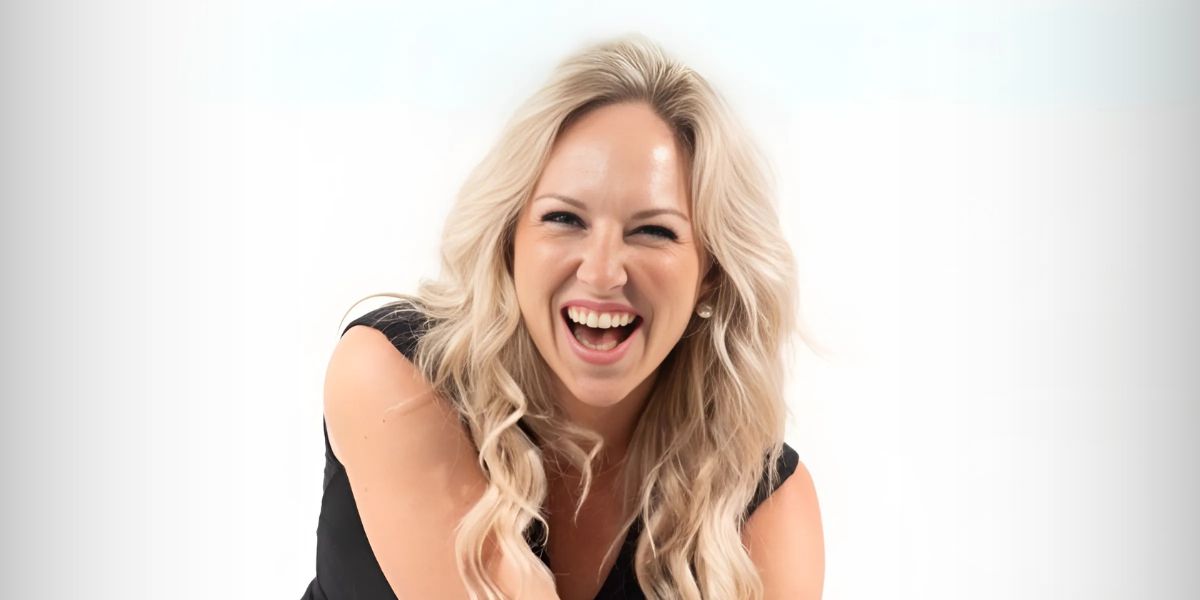
Founder Natalie West didn’t start with a product. She started with principles: integrity, versatility, and respect. Every decision, from materials to manufacturing to messaging, is shaped by those three values. “We honor intention and simplicity through versatile design,” she says. “Not just in the pieces themselves, but in how they reflect the modern, versatile woman.”
But even principles require structure. West, who leads both the design and business sides of Ellie Arbee, relies on a clear internal framework to keep the company moving. She calls it her ability to “move fluidly between big-picture thinking and hands-on execution.” She breaks problems down quickly: What are we trying to solve? Is it even worth solving? Who’s best to tackle it? What’s the timeline? The process is disciplined and deeply personal.
That precision shows up in every seam, pocket, and silhouette. There’s no flashy innovation here. Instead, there are subtle solutions built into every piece: a collar that blocks wind and sun, an armhole that doesn’t restrict, fabrics that breathe and hold their shape. “You won’t see it on a label,” West says. “But you’ll feel it every time you put it on.”
The business was born out of necessity, a response to what West saw as a significant gap in the women’s sportswear space. Yoga pants were everywhere. Versatility, in theory, was built into everything. But the execution often lacked the subtlety that allows for more refined elegance. “There’s absolutely a place for bold design,” she says. “But there’s also an opportunity to offer something different: refined, functional pieces that do more with less.”
Ellie Arbee emerged as an answer to that, a brand offering garments that feel like sportswear, but wear like tailored essentials. When the world shifted to remote work and flexible schedules, the need for transitional pieces became even more pronounced. But West wasn’t chasing a trend. Her focus was on creating evergreen styles that women would likely return to again and again.
That long-view mindset applies internally as well. West is a solo founder, but she doesn’t build in isolation. She surrounds herself with a close network of mentors and peers, people she calls her “Champions.” They act as a sounding board, offering feedback, encouragement, and accountability when things feel uncertain.
She’s also reframed how she defines success. “This business is about quality over quantity, and timelines that respect the process,” she explains. “That perspective brings patience, and reminds me that while this may feel like a solo roller coaster, I also can design the track as I go.”
Her leadership style is what she describes as “simple, straightforward, and kind.” High standards. Direct communication. No ego. “I believe in doing what is right, particularly when it is the more difficult path.” It’s an approach shaped, in part, by the thinking of Charlie Munger, and echoed in how she engages with everyone from manufacturers to photographers. “If we do this, I’m in for the long haul,” she tells new partners. That clarity builds trust early.
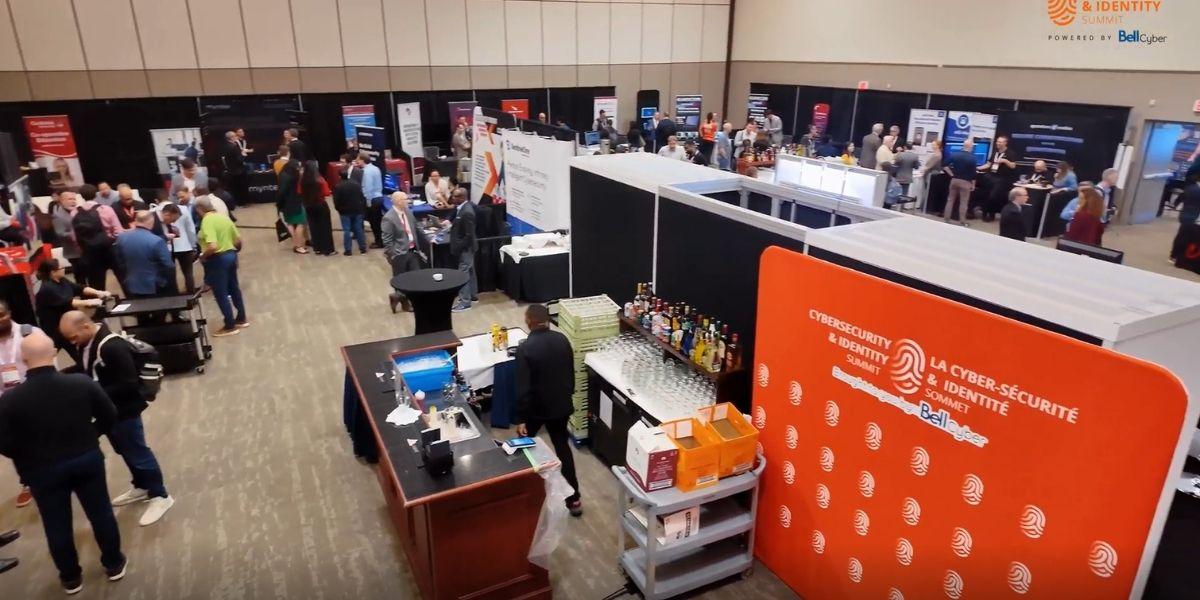
In 2023, that approach was tested when West made the decision to shift Ellie Arbee primarily to a wholesale model. She secured a booth at the PGA Show with just 15 days’ notice. Most would’ve backed out or scaled down. Instead, West flew to Orlando, built her booth in three days, installed it over the next three, and spent the seventh selling product. “It was the culmination of everything I believe in: patience, mastering your craft over time, compounding skills, logic, and intention.” The booth wasn’t just a space. It was a demonstration of concept. And it worked. “The right partners found me,” she says. “It was the moment the flywheel started to turn.”
Looking ahead, West has no intention of chasing volume. Instead, she’s focused on refining the product line, expanding sizing to be more inclusive (as an integrated part of design, not a separate category), and moving toward on-demand production. “The ability to make what is needed, when it’s needed, with less waste and more precision, is where I’d like Ellie Arbee to evolve,” she says.
She’s under no illusions about the challenges ahead. Fast fashion is still dominant. Overconsumption is rampant. And despite the rising popularity of capsule wardrobes, the concept often needs explaining. “Real and functional simplicity often needs explaining,” West says. But that education, for customers, partners, and the industry itself, is part of the work.
To her, conscious consumption starts long before a product hits a shelf. “The marketplace is flooded with noise; manufactured urgency, surface-level marketing, and products designed to solve problems that never existed,” she says. She’s made peace with the tradeoffs. Ellie Arbee won’t be fast or cheap. But it will be intentional. “You can’t have all three: high quality, fast delivery, and low cost,” she adds. “Most businesses lead with two. I’ve chosen moderate delivery and high quality.”
The culture she’s built reflects that same restraint and clarity, for customers and collaborators alike. Thoughtful packaging. Transparent communication. Simple, straightforward business practices. “It’s remarkable how well it’s been received,” she says. “Surprisingly, it’s not the norm.”
That mindset extends to how she advises other women founders. Start small. Start smart. Be resourceful. Ask why, then ask again. “People will try to sell you a bunch of things you don’t need, to sell something,” she warns. “This is one of the biggest fallacies in business today.” The real work, she adds, happens long before the marketing. “The moment I realized I had to sell my product was quite humbling for me.”
Ellie Arbee is, in many ways, a reflection of West herself, not just in taste or temperament, but in lived experience. The brand was shaped by “a lifetime of failures, lessons learned, hard-earned skills, and perseverance.” And the people who inspire her most aren’t on billboards. “They’re the women you don’t see on magazine covers,” she says. “They’re building families, businesses, careers, communities, and doing it all with grace and conviction.”
Outside of work, she finds that same quiet strength in the rhythms of everyday life. Long mornings. Horseback rides. Jigsaw puzzles. Philosophy talks with friends. Coffee on the deck with her dog and cat, unlikely best friends. And always, building something with her hands. “I’ve always been a creator, a builder,” she says. “That’s where I feel most alive.”