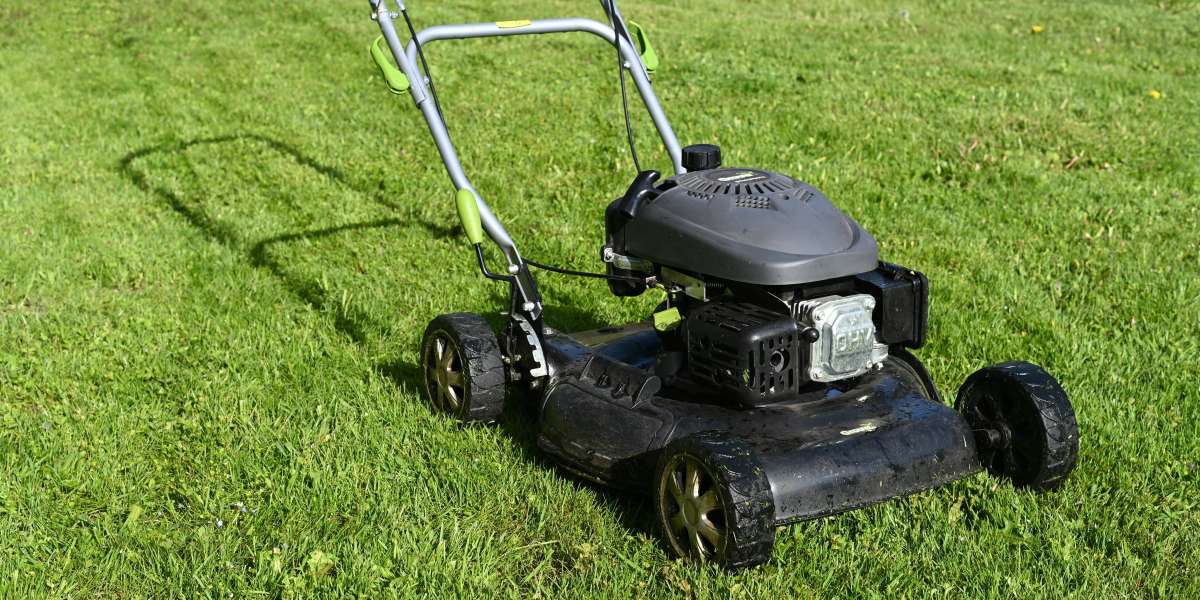

There’s nothing quite like the frustration of a mower belt snapping mid-mow. It’s a common headache for many homeowners, and often, it feels like it happens at the worst possible time. While most people correctly focus on getting the correct belt size, the true differentiator between a belt that lasts seasons and one that barely makes it through a few uses lies in its material quality. Overlooking this crucial detail can lead to frequent failures, unnecessary downtime, and ultimately, higher costs and greater exasperation. This guide is designed to empower you with the knowledge needed to truly understand what makes a mower belt genuinely high-quality, helping you make informed choices that save you money in the long run, drastically reducing unexpected breakdowns and significantly extending your mower’s overall working life.
Beyond the Surface: The Anatomy of a Mower Belt
When you first glance at a lawn mower belt, it might appear deceptively straightforward – just a continuous loop of black rubber. However, that perception couldn’t be further from the truth. A truly meticulously engineered component, a high-quality aftermarket mower belt is constructed with multiple distinct layers, each playing a critical role in efficiently transferring power from your engine to the blades or wheels. It’s a sophisticated piece of equipment, far more than a mere rubber strip. Let’s delve into these key layers that work in seamless harmony to ensure reliable performance.
At its outermost layer, you’ll find the Outer Fabric Cover. This protective shield, typically crafted from durable materials like polyester or nylon, tirelessly guards the belt’s inner core from constant friction against pulleys and guides. It’s also vital for providing effective grip within the pulley grooves and acts as a crucial barrier against harsh environmental elements like dirt, moisture, and UV light. Tucked beneath this cover lies the Adhesion Gum, a specialized rubber compound. This essential layer binds the tension cords and the base rubber together, giving the belt its structural integrity and vital flexibility. It provides excellent heat resistance, helping the belt withstand the significant temperatures generated during continuous operation. Without proper adhesion, the layers can delaminate, leading to rapid failure. Then come the Tension Cords (or Load-Carrying Cords), often considered the belt’s backbone. These cords are the powerhouse responsible for bearing the primary load and transmitting torque. Their material—polyester, fibreglass, or premium aramid fibre (like Kevlar)—is paramount, dictating the belt’s core strength, preventing detrimental stretching, and ensuring reliable power transmission. Finally, the Compression Section (Base Rubber) forms the innermost part of the belt. Its primary purpose is to firmly support the tension cords, helping the belt maintain its precise V-shape as it flexes around pulleys and critically dissipating heat generated internally to prevent premature material degradation and extend the belt’s service life.
The Power Within: Decoding Core Materials
Understanding the properties of the materials used in mower belt cords is key to making an informed buying decision, as this is where the real difference in performance and value lies. Standard Polyester Cords are the most common in general-purpose belts. They are cost-effective and flexible, making them suitable for lighter-duty mowers or occasional residential use. However, they are more prone to stretching under heavy loads and have lower shock resistance, making them less ideal for high-stress applications.
An upgrade from polyester, Fiberglass Cords offer improved strength and dimensional stability, meaning they stretch significantly less under tension. They also provide better heat resistance, enhancing durability for mid-range residential mowers or applications where moderate durability is needed. While stronger, they can be more brittle and less flexible than other premium options.
Look to Aramid Fiber Cords (often known by the brand name Kevlar) for the pinnacle of mower belt technology. These cords boast high tensile strength, minimal stretch, and exceptional heat and shock resistance. This makes them incredibly durable with a remarkably long service life, ideal for heavy-duty applications and frequent clutch engagement. Their primary drawback is a higher cost, but their extended lifespan and superior performance often offset this.
Beyond the cords, the Rubber Compounds used for the adhesion of gum and base are also critical. While standard rubber can degrade with heat and oil, Neoprene/EPDM or engineered synthetic blends offer significantly improved heat, oil, and ozone resistance and better flexibility. The quality of this rubber directly impacts the belt’s ability to dissipate heat, maintain flexibility, and resist environmental factors that cause premature wear.
Signs of a Quality Belt: What to Look For
First, always seek clear branding and specifications. Reputable manufacturers proudly display part numbers, brand names, and often material indicators (like “Kevlar reinforced”) on the belt. Avoid unbranded generics, as their quality is a gamble.
Next, meticulously examine the construction quality. Look for a seamless, uniform outer fabric cover without visible seams or frayed edges. Whether V-shaped or otherwise, the belt’s profile should be perfectly consistent along its entire length. A new belt should also lay perfectly flat and smooth, free from any kinks, twists, or bumps which can indicate manufacturing defects or damage.
When you feel the material, a quality belt will be flexible but substantial, not flimsy or overly light. The rubber should feel resilient, and the outer cover should have a slightly tactile grip, not slickness. A more extended warranty and a strong reputation from a manufacturer specializing in power transmission components are also excellent indicators of confidence in their product’s durability. While not always visible, remember that quality belts are engineered for outstanding heat, oil, and abrasion resistance (HOAR). Lastly, cost should be considered an indicator, not the sole factor. Extremely cheap belts are almost always cheap for a reason: quality materials and precise manufacturing come at a higher, yet justifiable, price.
Choosing the Right Material for Your Mower
Matching the belt material to your mower’s specific usage and the demands of your lawn is crucial for maximizing performance and value. Consider your typical mower usage. For light-duty or occasional residential use, standard polyester cords might suffice. However, for moderate to heavy residential use on larger yards or tougher grass, upgrading to fibreglass or a basic aramid/Kevlar blend is a wise investment that pays off in durability. For commercial mowers or heavy-duty residential applications involving prolonged use or demanding terrains, aramid/Kevlar belts are highly recommended for maximum lifespan and unwavering performance.
Also, consider the application within the mower. Belts that engage and disengage frequently (like many deck engagement belts) benefit immensely from aramid fibres due to their exceptional heat and shock resistance. While aramid is excellent for drive belts, a well-constructed polyester or fibreglass belt can be sufficient if that drive isn’t under extreme load. Significantly, don’t overspend unnecessarily. While quality is paramount, you don’t need a commercial-grade aramid belt for a small push mower used infrequently. Always think about long-term value: despite its initial cost, a higher-quality belt almost always pays for itself by reducing frustrating downtime and the need for frequent replacements.
Conclusion
Understanding the complex materials that comprise a lawn mower belt empowers you to make far smarter buying decisions. You move beyond ensuring a perfect fit to assessing the belt’s potential for robust performance, unwavering reliability, and long-term durability. It’s an investment in your machine’s consistent operation and, ultimately, in your peace of mind while tackling yard work.
A little proactive effort in researching material types, meticulously inspecting construction quality, and choosing reputable brands transforms a simple replacement task into a strategic move for your mower’s longevity. A quality belt isn’t just a consumable part; it’s a critical component and a silent assurance of a smooth, efficient, and uninterrupted mowing season.