
Plastic prototype parts are a very important element of product development. This enables designers and engineers to experiment with ideas in clusters to prepare what is about to be produced in volumes. Using this structured approach, it is possible to deliver accurate and functional prototypes very quickly. The following guide breaks down each step in creating these prototype parts with maximum clarity and simplicity in mind.
Understanding the Purpose
Understanding the purpose of plastic prototype parts is crucial before getting started. A prototype can play many roles, such as testing fit/function or demonstrating a concept. Clarifying the intention allows for the choice of suitable materials and methods. This recognition is the base of the entire process.
Selecting Materials Properly
Choosing the right material is crucial. It all depends on how the prototype will be used. Typical materials include ABS, PLA, and nylon, along with unique features. While ABS is durable, PLA is biodegradable and can easily be printed. It provides both strength and flexibility. Assessing these features will validate the characteristics that the prototype needs to fulfill.
Developing the Design
The process of developing a design starts with the digital model. CAD: Software tools like CAD assist in conceptualizing the design in 3D. At this stage, they are fine-tuned and adapted with precision. When a design is clear and anticipated properly, it leaves little room for error, which ensures easier production.
Choose the Production Method
The production method affects the prototype quality and cost. There are various methods of doing so, each with its own advantages. Notable for speed and affordability, three-dimensional printing has found a home. However, injection molding is definitely more precise, for a price. CNC machining has great precision. Selecting the proper method is tailored to fit the goals and budget of the project.
Creating the Prototype
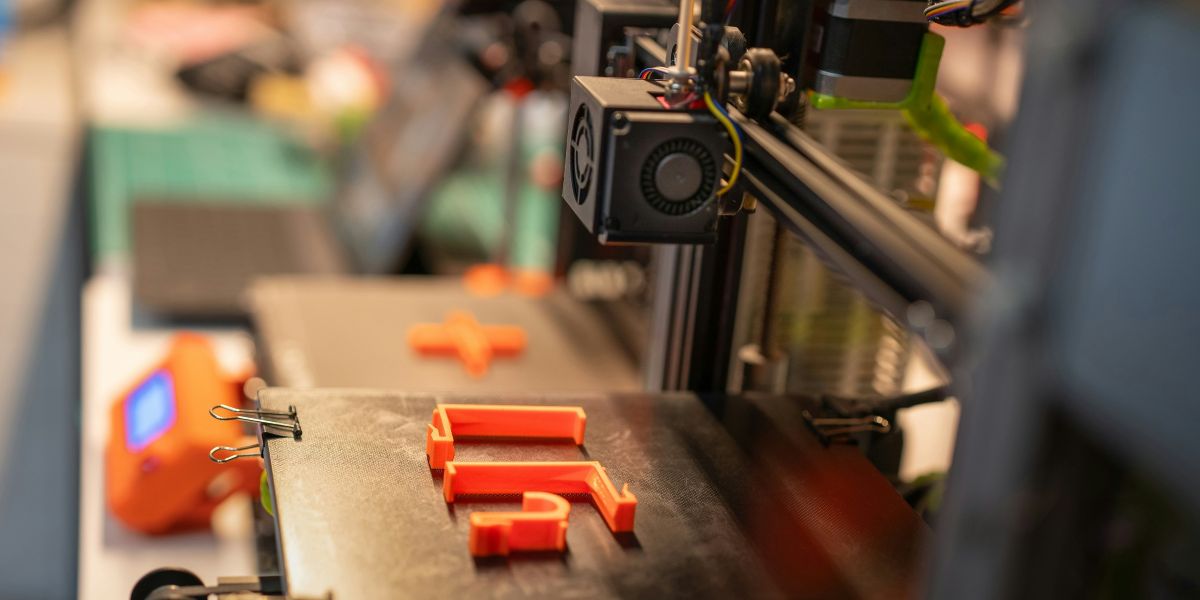
With the design and method in hand, we are ready for production. In comparison, with 3D printing, once the digital file of the part is sent to a printer, the component is built up layer by layer. With injection molding, a mold is formed, which is then filled with liquid plastic. CNC stands for Computer Numerical Control and directly relates to how a cutter shapes the material. It is necessary to monitor every task for quality assurance.
Testing and Evaluation
Testing is essential after production. This stage detects design and functional faults. It may involve stress testing, fit testing, or functional testing. The feedback in this phase highlights the required changes, which ensure the reliability of the end product.
Refining the Design
Depending on the results of your testing, you may need to refine the design. It may be by changing the sizes, materials, or production processes. The objective is to fix the problems identified during the assessment. The process is iterative and results in a prototype that closely resembles the desired outcome.
Finalizing the Prototype
Once all the adjustments are made, the prototype is finalized. A proper review confirms that all of the specifications have been met. This stage determines whether or not the prototype should be shopped or built further. Carefully documenting the process and materials used can help future endeavors and be a learning opportunity.
Cost Considerations
Budgeting is an ongoing concern throughout the prototyping process. Costs can vary based on material choice, production method, and testing requirements. Keeping a detailed record of expenses helps manage the budget effectively. Balancing quality with cost-efficiency is key to a successful project.
Environmental Impact
Consideration of environmental impact is becoming a necessity. Using sustainable materials and energy-efficient practices will help shrink the prototype’s carbon footprint. Sustainable practices not only have a positive effect on the environment but also attract consumers who care about it.
Conclusion
The steps for generating a plastic prototype part are clearly defined. Each phase is critical, from knowing the objective to prototyping the prototype. This methodical process allows designers and engineers to create functional prototypes that serve their purpose. We want to share a guide that will be a roadmap for reducing labor to achieve a successful product.