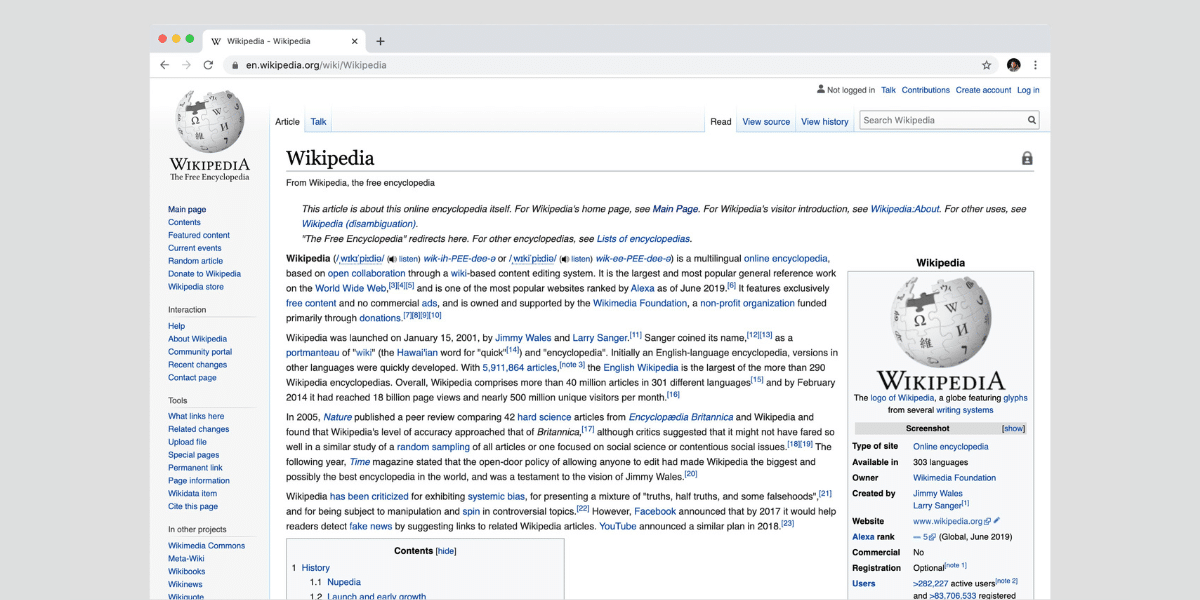

For many entrepreneurs, achieving a Wikipedia page represents a prestigious milestone—a symbol of credibility and recognition that signifies success in their industry. However, the path to gaining Wikipedia verification is not as simple as it may seem. With high standards and strict guidelines, the process can be daunting for those unfamiliar with how Wikipedia operates.
Before pursuing a page, it’s crucial for entrepreneurs to understand the qualification process, the potential pitfalls, and the importance of building a strong foundation of credibility. Applying too early may result in rejection, which could complicate subsequent efforts..
Understanding Wikipedia’s High Standards
Wikipedia adheres to strict guidelines, requiring that all information is accurate, verifiable, and notable. Local recognition or business success alone does not meet these standards; the platform requires references from credible media outlets and evidence of broad recognition that extends beyond local or industry-specific achievements.
In short, Wikipedia favors individuals and companies with a national or international reputation. If your media presence is limited to local newspapers or niche blogs, you’re unlikely to meet the notability requirements set by Wikipedia editors.
National vs. Local Reputation: Why It Matters
One of the common mistakes entrepreneurs make when applying for a Wikipedia page is assuming that local press coverage or industry mentions will suffice. While these sources may contribute to your overall media presence, they don’t carry the same weight as national or international coverage.
Wikipedia’s guidelines are clear: individuals or companies must have significant coverage from reliable, independent sources. Local press typically doesn’t meet the notability threshold, so entrepreneurs must focus on expanding their media footprint beyond their local market before applying.

Laying the Foundation for a Wikipedia Page
Building the foundation for a Wikipedia page takes time and strategy. Many entrepreneurs apply too early, only to face automatic rejection. Once rejected, it can be more challenging to reapply, as Wikipedia editors may flag future submissions as spam or self-promotion.
To avoid this pitfall, entrepreneurs should focus on building their public profile in credible, high-authority publications. Here’s a roadmap for establishing the foundation needed before applying for a Wikipedia page:
- National Media Coverage: Aim to be featured in reputable national media outlets. Interviews, profiles, or mentions in well-known newspapers, magazines, or online publications carry more weight than local or niche coverage.
- Third-Party Credibility: Wikipedia does not accept self-published content or press releases. Ensure your coverage comes from independent, third-party sources that meet the platform’s strict guidelines.
- Consistent Media Presence: A few sporadic mentions won’t suffice. You need a sustained media presence over time to demonstrate notability in your field.
- Diverse Media Coverage: Having mentions in a variety of credible publications that cover different aspects of your career or business helps create a well-rounded view of your notability.
Common Mistakes Entrepreneurs and PR Agencies Make
Many entrepreneurs and PR agencies make several critical errors when applying for a Wikipedia page, leading to rejection. These missteps not only result in failed attempts but also damage future chances of being approved.
Here are some common mistakes to avoid:
- Applying Too Early: This is the frequent mistake. Entrepreneurs who apply before establishing sufficient national or international coverage are often flagged as self-promotional. Once this happens, it becomes more difficult to reapply successfully.
- Using Unreliable Sources: Citing press releases, self-authored blog posts, or small local publications won’t meet Wikipedia’s standards. Relying on these sources is a fast track to rejection.
- Violating Conflict of Interest Guidelines: Some entrepreneurs try to write or submit their own Wikipedia pages, which violates the platform’s conflict of interest policy. Wikipedia expects neutral, independent contributors to create and manage pages.
- Over-relying on Paid Media: Paid or sponsored content can be useful for brand-building, but it doesn’t count toward Wikipedia’s standards of notability. Coverage must be organic and earned, stemming from legitimate achievements.
-

Photo: Unsplash.com How IndustryLeader.Ai Helps Entrepreneurs Succeed
Navigating the Wikipedia process can be challenging, but with the right strategy and guidance, success is achievable. IndustryLeader.Ai is experienced in the intricacies of Wikipedia’s guidelines, helping entrepreneurs establish the necessary foundation before applying for a page.
Here’s how IndustryLeader.Ai assists in the process:
- Building a Strong Media Footprint: We secure national media coverage through articles, podcasts, and other forms of media to help entrepreneurs establish notability.
- Creating Credible References: Our team ensures that all references and sources meet Wikipedia’s stringent guidelines, increasing the likelihood of approval.
- Avoiding Common Pitfalls: We guide entrepreneurs through the process, helping them avoid early application errors or reliance on unreliable sources.
- Ongoing Support: Once a Wikipedia page is live, we provide ongoing updates to ensure the page remains current and compliant with Wikipedia’s evolving standards.
Summary
Securing a Wikipedia page requires careful planning, a strong media presence, and adherence to Wikipedia’s strict guidelines. Rushing the process of applying too early can lead to rejection, complicating future attempts. By working with IndustryLeader.Ai, entrepreneurs can avoid the common mistakes that derail many applicants. Their Wikipedia page is developed with a focus on reliable third-party sources for credibility.With the right strategy, a Wikipedia page can significantly enhance your public profile, positioning you as a recognized authority in your field.
Published by: Khy Talara