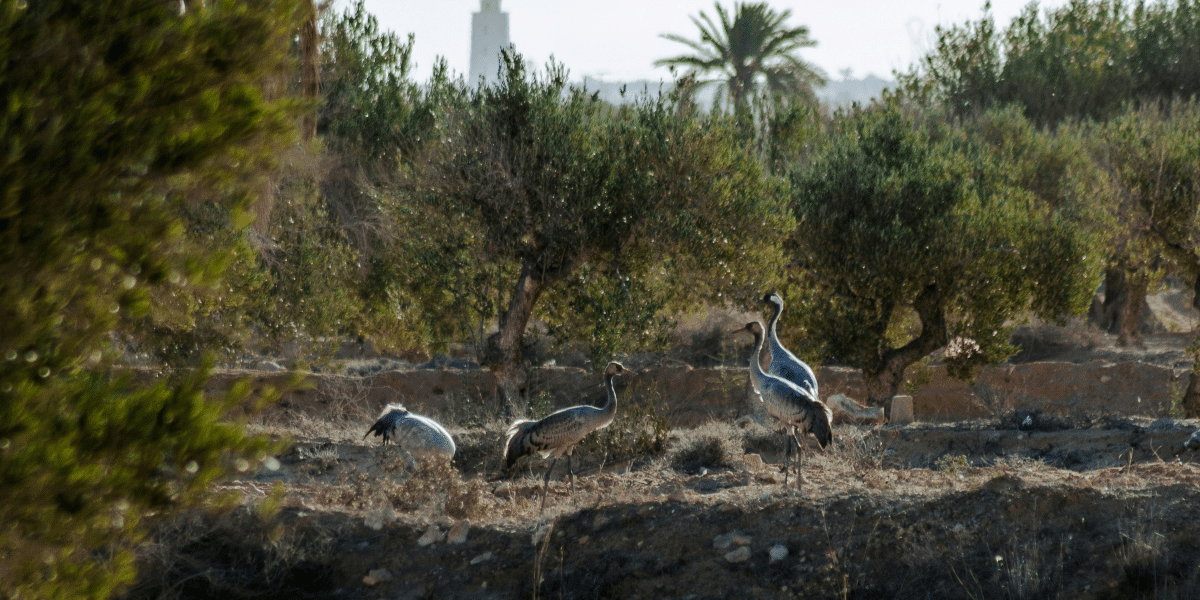

A recent outbreak of avian botulism has caused the deaths of thousands of migratory birds, primarily affecting wetlands in the Klamath Basin region. The deadly bacterial disease, which thrives in warm, stagnant water, has emerged as a significant threat to bird populations, particularly during migration season when large numbers of birds gather in these wetland areas.
What is Avian Botulism?
Avian botulism is caused by a toxin produced by the bacterium Clostridium botulinum. It affects waterfowl and other bird species that inhabit wetland environments, leading to paralysis and death. The disease is particularly deadly during periods of drought or when water levels are low, creating ideal conditions for the bacteria to multiply.
Birds ingest the toxin either directly from contaminated water or through invertebrates, such as maggots, that have consumed the bacteria. Once infected, birds become paralyzed, often losing their ability to fly, swim, or hold their heads above water, resulting in drowning or death by exposure.
The Impact on Migratory Birds
The Klamath Basin, which lies along the Pacific Flyway, is a critical stopover point for millions of migratory birds each year. However, the recent outbreak of avian botulism has decimated bird populations in the region, with estimates of tens of thousands of bird deaths. Waterfowl, such as ducks and geese, have been the most affected, but other species, including shorebirds and pelicans, have also fallen victim to the disease.
This outbreak is particularly alarming because it has struck during a crucial time in the migration season. With fewer healthy birds able to continue their journey, wildlife experts are concerned about the long-term impact on bird populations that rely on these wetlands as vital resting and feeding areas.
Causes of the Outbreak
Experts point to a combination of factors that contributed to the severity of this avian botulism outbreak. Prolonged drought conditions in the Klamath Basin have reduced water levels in wetlands, creating warm, shallow pools of water that are ideal breeding grounds for Clostridium botulinum. Additionally, the loss of habitat due to agricultural water usage and climate change has further exacerbated the problem, concentrating bird populations into smaller, more vulnerable areas.
Efforts to manage water levels in the region have been challenging, with competing demands from agriculture, local communities, and wildlife conservation. Without adequate water resources, wetlands have become increasingly stressed, setting the stage for more frequent and severe outbreaks of diseases like avian botulism.
Efforts to Mitigate the Crisis
Wildlife officials and conservation groups are working to contain the outbreak and prevent further bird deaths. These efforts include removing carcasses from affected areas to prevent the spread of the toxin, monitoring water quality, and restoring water levels in wetlands to reduce the conditions that allow the bacteria to thrive. Additionally, volunteers and wildlife workers are rescuing and rehabilitating sick birds in an effort to save as many as possible.
Long-term solutions, however, require addressing the root causes of the crisis. This includes better water management practices to ensure that wetlands remain healthy ecosystems for both birds and other wildlife. Conservationists are calling for increased collaboration between federal agencies, local authorities, and environmental organizations to develop sustainable water-use policies that protect these critical habitats.
Looking Forward
The avian botulism outbreak in the Klamath Basin serves as a stark reminder of the delicate balance that wetlands maintain in supporting migratory bird populations. Without intervention, such outbreaks could become more frequent and more deadly, threatening the survival of numerous bird species that depend on these wetlands.
For more information on the avian botulism outbreak and ongoing efforts to mitigate the crisis, read the full article californiagazette.com.
Published by: Nelly Chavez