
Buckle up and get ready to discover some surprising facts about flights that you probably never knew! Modern aircraft are packed with hidden secrets and quirky details that can make your next flying experience even more intriguing. Did you know that airplane windows are round to prevent potential accidents? This design choice helps to evenly distribute pressure and reduce the risk of cracks.
Ever wondered how much thought goes into the layout of your seat? Airlines use complex algorithms and psychological tricks to enhance your comfort and maximize efficiency. Your seemingly random seat assignment might be more strategic than you think!
Lastly, the reason behind dimming the cabin lights during takeoff and landing is actually a safety measure. It helps your eyes adjust to the outside light conditions in case of an emergency. Now, let’s dive deeper into these fascinating tidbits and more to uncover what really happens behind the scenes of your flight!
Different Types Of Flights
When it comes to flying, there are various types of flights that can impact your travel experience significantly. Differences lie in timing, ticketing flexibility, and even the environment inside the cabin.
Red Eye Flight
What is a red eye flight? It is typically departs late at night and arrives early the following morning. These flights are named after the tired, red eyes passengers often have upon arrival due to disrupted sleep.
One aspect of these flights is the lower cabin pressure during night flights, which can affect your taste buds and your sense of smell. You may notice that food, like tomato juice, tastes different.
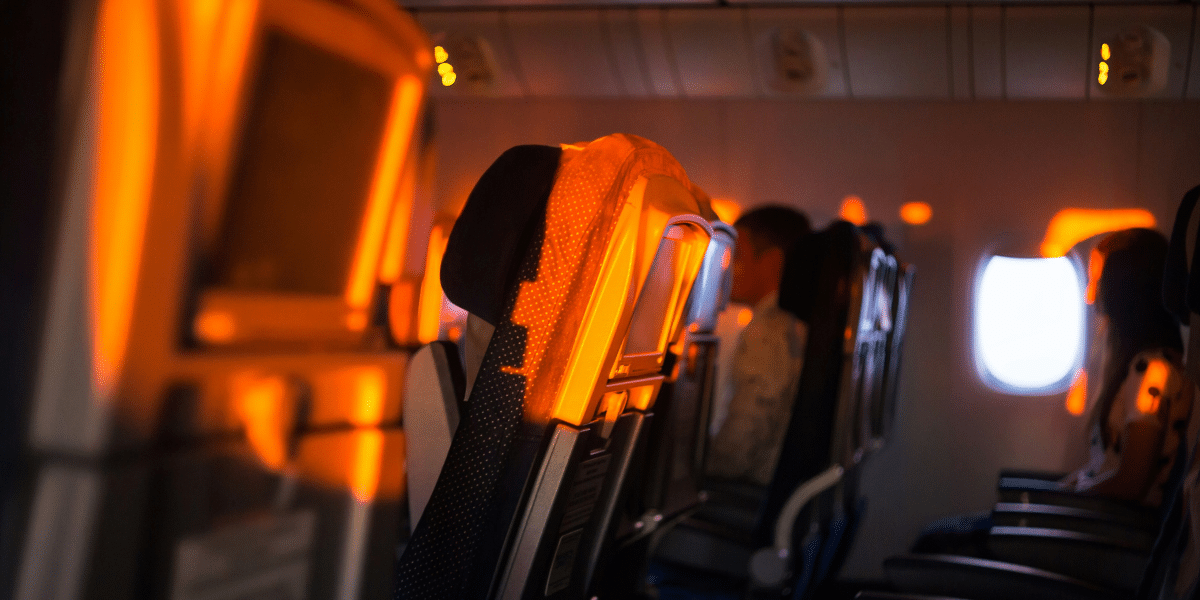
The cabin is usually kept darker to encourage sleep, so consider wearing comfortable clothing and bringing an eye mask. These flights can be less crowded, often leading to a quieter environment.
While you might get to your destination early, be prepared for fatigue due to the lack of proper sleep. Also, note that humidity inside the cabin can be lower, so drink plenty of water to stay hydrated.
Standby Flight
A Standby Flight allows you to travel on an earlier or later flight than your original booking. This is usually done by passengers who have flexible travel plans and are willing to wait at the airport for an available seat.
Standby tickets can be cheaper but come with the uncertainty of not having a guaranteed seat. You may have to wait for several hours, depending on the availability of seats. Make sure to check with your airline for specific rules, as policies vary.
You might end up in a less ideal seat, such as one near the plane window, which could affect your vision during the flight if you need to rest. Be prepared for potential changes in cabin pressure and pack snacks, as not all flights offer comprehensive meal services.
Because of the spontaneous nature of these flights, remember to stay adaptable and patient.
Perks and Peculiarities Inside the Plane
Ever wondered why your taste buds seem off or why plane windows are round? Let’s explore some lesser-known aspects of flying that will pique your curiosity.
Taste Buds Onboard: The High-Altitude Palate Shift
When you’re thousands of feet up, your sense of taste changes. Cabin pressure and low humidity affect your taste buds, making sweet and salty flavors less intense. That’s why airline meals can seem bland. Tomato juice, surprisingly, tastes better up in the sky. The reduced humidity enhances its natural umami flavor, so many passengers opt for it.
Salt and sugar just don’t cut it the same way they do on the ground. Be prepared; even your favorite snacks might taste different mid-flight.
Windows to the Sky: Factoids About Plane Window Design
Plane windows aren’t just round for aesthetic reasons. Their circular shape reduces the risk of cracks and structural stress due to changes in cabin pressure. During the flight, the pressure inside the cabin is much higher than outside, and stress can concentrate at corners if windows are square, potentially leading to disasters.
Modern airplane windows are made from multiple layers of acrylic, designed to withstand lightning strikes and extreme conditions. The small hole at the bottom helps manage pressure differences, ensuring the window doesn’t fog up. Plus, the window shades help in controlling cabin light, contributing to your comfort and vision during a flight.
Aeronautical Anecdotes and Aviation Mysteries
Explore these fascinating aviation tidbits that highlight the peculiar and baffling aspects of air travel you might never have considered.
Why Ashtrays in an Era of No Smoking?
Airlines have banned smoking for decades, yet you’ll often find ashtrays in airplane lavatories.
This seems odd, right? The Federal Aviation Administration (FAA) requires ashtrays on planes to ensure the safe disposal of cigarettes if someone decides to light up.
The theory is it’s safer to have a designated place rather than risk a cigarette tossed in a trash bin. These small, discreet additions ensure compliance with safety regulations, even in today’s smoke-free skies, blending regulatory enforcement with passenger safety effortlessly.
What can prevent you from getting a passport
Certain issues can keep you grounded, far from high-altitude adventures. If you owe over $2,500 in child support, your passport application can be denied. This is one from the list of felonies that disqualify you from getting a passport.
Tax debt can also land you in trouble. The IRS notifies the State Department if your tax debt exceeds $52,000, triggering passport restrictions.
Criminal records, especially involving immigration law violations, can halt your travel plans. Surprisingly, something as seemingly unrelated as unpaid federal taxes can tether your travel dreams.
Mystifying Truths: From Octopuses to Aerodynamic Berries
Did you know aircraft design sometimes takes cues from nature?
Octopuses have been a source of inspiration thanks to their flexible limbs and advanced movement algorithms, enhancing aerodynamic designs.
Or consider airplane tires, which are typically inflated up to 200 psi, 6 times more pressure than a car tire! It’s what allows them to bear immense weight during takeoff and landing.
Then, there’s the case of berries – “cloudberries” inspired the curved structure of the Wright Brothers’ glider.
Neil Armstrong, the famous astronaut, took a piece of the Wright Brothers’ aircraft to the moon, linking early aviation innovations to space exploration in an unprecedented way. These intriguing tales reveal the unexpected links between everyday objects and aviation marvels.
When Flights Make History
Flights have often captured headlines and created historical milestones with incredible feats of engineering and trailblazing journeys. Here’s a look at some awe-inspiring achievements and the famous flights that pushed boundaries and made history.
Majestic Machines: Record-Breaking Aircraft
The Antonov An-225 holds the title of the largest and heaviest aircraft ever built. With six engines and an almost 300-foot wingspan, it was designed to transport heavy cargo, showcasing engineering prowess.
Another marvel, the Boeing 747, revolutionized air travel with its long-haul capacity and double-decker design. Dubbed the “Queen of the Skies,” it brought luxury to the masses.
American Airlines introduced the Boeing 787 Dreamliner, which uses advanced materials to reduce weight and improve fuel efficiency. This aircraft changed the game of long-distance travel.
Noteworthy Navigations and Famous First Flights
Orville Wright’s first powered flight in 1903 marked the beginning of modern aviation. This short hop in Kitty Hawk remains one of the most critical events in aviation history.
Commercial aviation saw a giant leap with Qantas’ flight from Australia to the UK, non-stop in a Boeing 787, demonstrating the potential for ultra-long-haul travel.
A lesser-known yet incredible feat was by the BD-5 Micro, the world’s smallest jet, which achieved speeds over 300 mph. It showed that size isn’t everything in aviation.
Then Charles Lindbergh made the transatlantic journey in the Spirit of St. Louis, setting the tone for international air travel and adventure.
Published by: Holy Minoza