
A home does not have to be perfectly organized to feel comfortable. In fact, small, everyday changes often make the biggest difference.
A place for your keys when you walk through the door, a better way to manage charging cables, or a spot for the items you reach for every morning can save time and reduce the little frustrations that build up during a busy week.
The good news is that improving the way a home works does not always require a major renovation or expensive storage furniture. Sometimes, it is simply about looking at the spaces you already have a little differently.
Here are seven simple changes worth considering.
1. Give Frequently Used Items a Permanent Home
Items that are used every day tend to create the most clutter because they are constantly being moved around.
Keys, sunglasses, bags, headphones, and other small essentials can easily end up on dining tables, kitchen counters, or wherever there’s an empty spot.
Creating a designated place for these items makes it easier to put them away without thinking about it. A small tray, basket, or suitable hanging point near the entrance can be enough to establish the habit.
The key is convenience. If putting something away takes more effort than leaving it on the counter, the system probably will not last.
2. Make Better Use of Wall Space
When floor and cupboard space are limited, walls can offer another way to organize everyday belongings.
This does not necessarily mean installing shelves or making permanent alterations. For lightweight items, removable options such as adhesive hooks can easily create additional hanging points in suitable areas.
They can be useful for things such as keys, lightweight accessories, small bags or other items that benefit from being kept visible and within reach.
As with any hanging solution, consider the item’s weight and whether the product suits the surface.
3. Tame the Charging Cable Problem
Few things make a desk or bedside table look untidy as quickly as a collection of loose cables.
Rather than letting charging leads spread across a surface, keep the cables you use regularly in one place. Small clips, cable holders, or a simple charging station can prevent them from disappearing behind furniture or becoming tangled with one another.
It can also help to remove cables you no longer use. Keeping five different charging leads on a desk when you regularly use only two creates unnecessary clutter.
4. Create a Drop Zone by the Entrance
The area just inside the front door often becomes an accidental storage space.
Shoes, shopping bags, umbrellas, keys, and other belongings tend to accumulate there because everyone is arriving or leaving in a hurry.
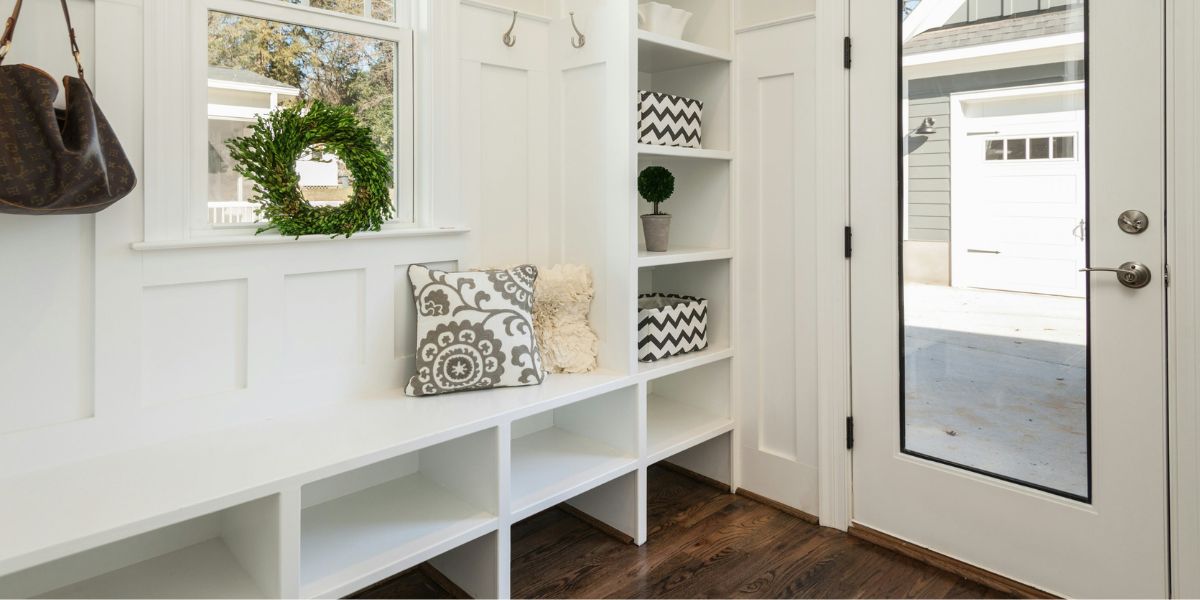
A simple entryway system can make this space much easier to manage. Depending on the size of the home, this might be a small bench, basket, tray or a few designated places for lightweight items.
The goal isn’t to create a picture-perfect entrance. It is to make the space work better for the people who use it every day.
5. Keep Everyday Children’s Items Within Reach
Families often face a particular organization challenge: children’s belongings seem to move constantly from one room to another.
Instead of trying to keep everything perfectly stored away, consider creating accessible places for the things children use most often.
Books can have a dedicated shelf, craft supplies can go into labeled containers, and lightweight bags or accessories can have their own hanging points.
Making storage easy for children to use can also encourage them to put things away themselves. A system that is simple enough for a child to understand is often more effective than one with too many rules.
6. Make the Home Office Easier to Maintain
A tidy workspace can make it easier to concentrate, particularly when the same desk is used for work, studying and personal tasks.
Start by keeping only the items you use regularly on the desk. Pens, notebooks, headphones and chargers should each have an obvious place rather than being scattered across the workspace.
If wall space is available, lightweight items can sometimes be moved off the desk and organized vertically. This can free up valuable working space without requiring additional furniture.
It is also worth doing a quick reset at the end of the working day. Spending a few minutes returning items to their usual places can make the next morning much easier.
7. Review the System Every Few Months
Even a well-organized home can become cluttered again because people’s routines change.
The storage solution that worked when you first moved into a home may no longer make sense a year later. Children grow, hobbies change, and working arrangements can shift.
Every few months, check the areas that tend to get untidy first. If the same items repeatedly end up in the wrong place, that may signal the existing system is inconvenient rather than that someone is simply being untidy.
Sometimes moving a basket, changing a storage location, or adding one more hanging point is all that is needed.
Organization Should Make Life Easier
The most useful organization systems are rarely the most complicated ones. They fit naturally into everyday routines.
A home does not need to look perfectly organized at all times. The goal is simply to make commonly used spaces easier to move around in and give frequently used belongings a logical place.
Small changes, such as creating an entryway drop zone, keeping cables under control or making better use of available wall space, can gradually make a home feel more manageable.
And because everyone’s routine is different, no single organization system works for every household. The best approach is the one that makes everyday life a little easier without creating more work.