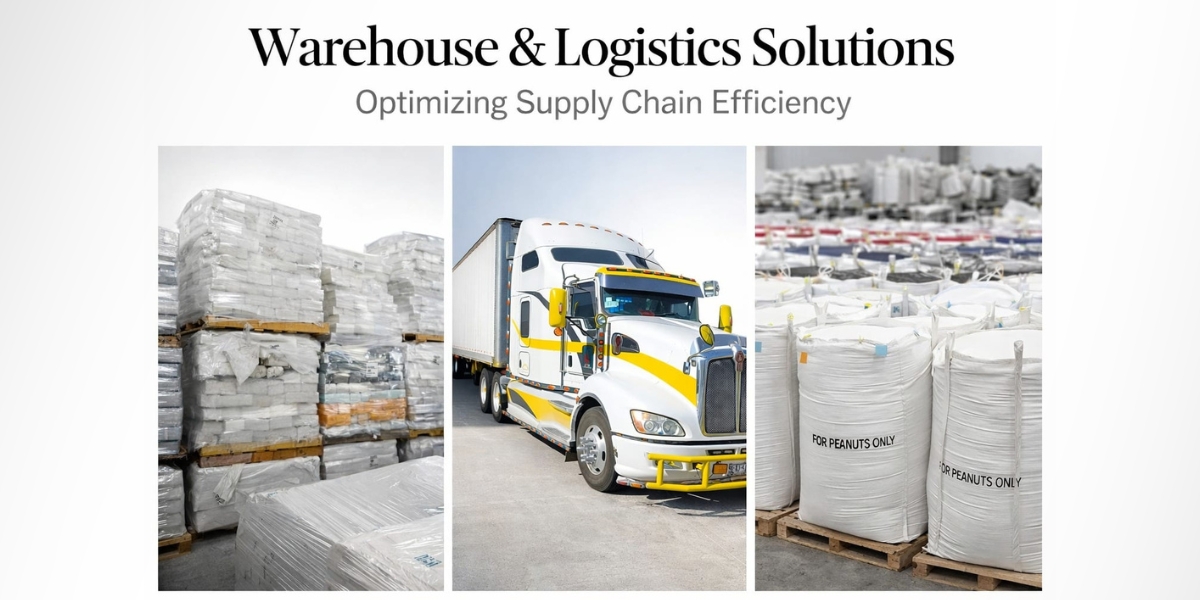
Choosing the right material processing equipment for your company is more important than you realize. Not only does it impact your day-to-day operations, but it can also impact productivity and the overall bottom line.
Whether you’re upgrading existing equipment, or you’re investing in new technology, making the right decision is critical. Here are 3 tips that will guide you through the process of buying material processing equipment for your company.
1. Assess Your Needs and Requirements
The first, and important thing you should do, is conduct a thorough assessment to see what your company needs. Figure out the specific materials you will be processing, the production volume required, and any unique operational challenges your company might have. For example, if your company handles bulk materials such as chemicals, you will need equipment designed specifically for large volumes.
On the other hand, if you need more precision, you will need to focus on equipment that provides a high level of accuracy and control. You should also consider the future growth of the company. Choose equipment that can meet the needs of your company now and in the future.
2. Evaluate Equipment Quality and Reliability
When it comes to material processing equipment, quality and reliability are essential. If you have to constantly deal with equipment failures, it will cost you in terms of downtime and disruptions. Invest in equipment from manufacturers known for producing reliable equipment. Take the time to research different brands and models. Read through customer reviews, and look for case studies that demonstrate real-world performance.
3. Understand the Total Cost of Ownership
The total cost of ownership includes much more than the initial purchase price. There are additional costs such as installation, maintenance, and operational expenses, that you will also need to consider. While some equipment might seem like a good deal upfront, if it has higher maintenance costs it will cost you much more in the long run.
Look into the energy efficiency of the equipment you are interested in. Efficient machines can help you save thousands in operational costs over the coming months and years. You should also consider costs related to parts, service, and training for your staff on how to use the equipment. Properly training your staff can greatly reduce operational errors, which can in turn reduce downtime.
While it may cost you more upfront to invest in high-quality equipment, in the long run, it will end up saving you a great deal of time and money. Start by conducting a detailed cost analysis to understand the full financial impact each piece of equipment will have on your business. Make sure it aligns with your budget and overall financial goals.
When you follow these 3 tips, assessing your needs, evaluating the quality of the equipment, and understanding the total cost of owning the equipment, you put yourself in a position to make a well-informed decision. At the end of the day, the goal is to make the ideal financial decision for your company both now, and in the future.
Published by: Khy Talara