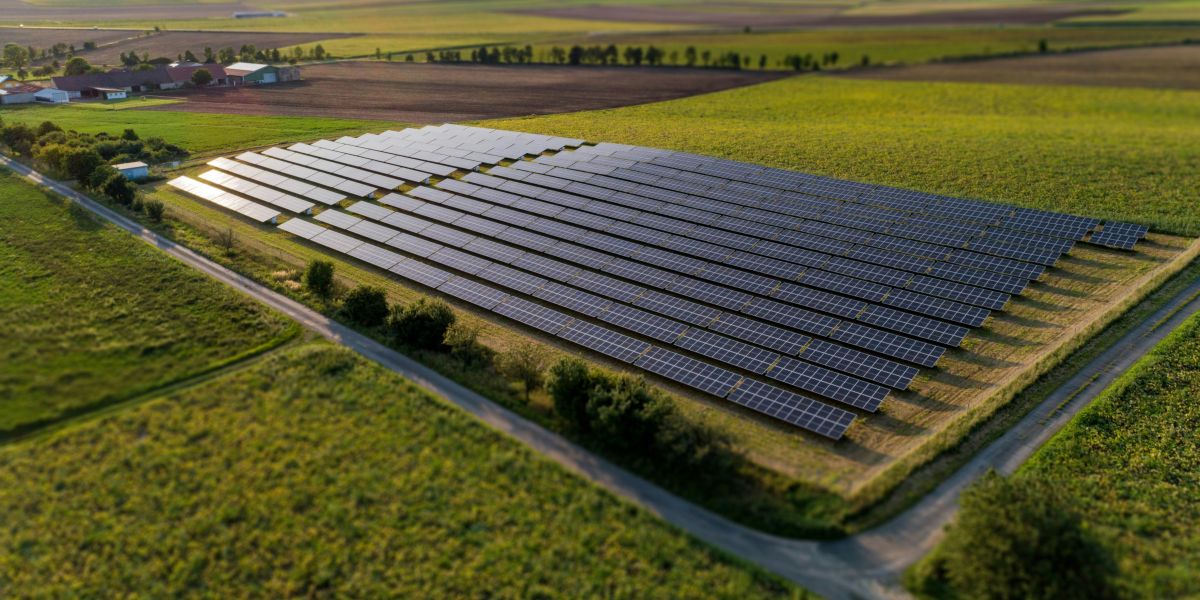


Sustainability and energy resilience have become core components of modern business strategy. Companies across sectors are re-evaluating how they source power and looking for smarter, greener alternatives. Solar photovoltaic (PV) technology is an effective and scalable option.
Solar PV systems are not just about reducing carbon footprints, they’re about cutting costs, building operational stability, and aligning with stakeholder expectations. In an era of rising utility prices and increasing climate-related disruptions, forward-thinking businesses are turning to solar to secure their future.
Introduction
The transition to solar energy is no longer just a trend, it’s a strategic shift. Businesses are embracing solar PV to take control of their energy use and reduce long-term risk. Many companies provide commercial solar panel installation services to meet these evolving needs.
- Solar PV offers long-term savings by reducing reliance on utility providers
- Government incentives make commercial solar projects more financially viable
- Companies gain ESG credibility by adopting clean energy
- Solar energy can provide backup during grid instability or peak pricing
- Solar installations help businesses plan predictable energy budgets
Why Solar PV is a Strategic Business Asset
Investing in solar PV isn’t just about environmental stewardship, it’s a sound financial and operational decision. Solar energy offers companies a way to build resilience while demonstrating leadership in sustainability.
Reducing Operational Costs
Once installed, solar panels produce free electricity for decades. This significantly reduces operating expenses, especially for businesses with high energy demands. Over time, the system pays for itself and continues to generate returns.
Insulating Against Energy Price Volatility
Energy markets are unpredictable. Businesses dependent on grid electricity are vulnerable to price spikes and supply issues. Solar PV allows organizations to generate their own power and buffer against market fluctuations.
Strengthening ESG and Brand Reputation
Stakeholders expect companies to operate responsibly. Solar PV demonstrates a commitment to sustainability, boosting brand value and investor confidence. It also helps companies meet ESG criteria for partnerships and financing.
Supporting Energy Independence
By generating power onsite, businesses reduce dependence on utility companies and national grids. This autonomy is especially valuable during peak usage times, blackouts, or supply constraints.
Taking Advantage of Financial Incentives
Many governments offer tax credits, depreciation benefits, and grant programs for solar PV installations. These incentives improve return on investment and accelerate payback periods.
Increasing Property Value
Solar-equipped properties often see increased valuation and desirability. Buyers and tenants recognize the long-term energy savings, making such assets more competitive in the market.
Simplifying Predictable Budgeting
Solar systems provide long-term cost predictability, which aids in budgeting and financial planning. Unlike utility costs, solar costs are stable and can be projected over decades.
Additional Benefits of Commercial Solar PV
The advantages of solar PV extend beyond the bottom line. These systems also support operational efficiency, risk management, and broader organizational goals.
Lowering Carbon Emissions
Commercial solar systems significantly reduce greenhouse gas emissions. This aligns with global climate targets and helps businesses comply with future regulations.
Enhancing Grid Stability
Businesses with solar PV contribute to decentralized energy generation. This reduces pressure on national grids and improves energy security in local areas.
Improving Employee and Community Engagement
Sustainability efforts, including solar projects, improve company culture and attract like-minded talent. They also demonstrate responsibility to local communities.
Qualifying for Green Certifications
Using solar PV helps businesses qualify for green building certifications such as LEED or BREEAM. These distinctions enhance competitive advantage in commercial real estate.
Reducing Infrastructure Risk
Extreme weather can disrupt grid power. Solar PV, particularly when paired with storage, ensures critical operations can continue even during outages.
Enabling Smarter Energy Management
Solar PV systems can be integrated with energy monitoring software. This provides real-time insights into usage, helping businesses further optimize efficiency.
Industries Gaining Significant Benefits from Solar PV
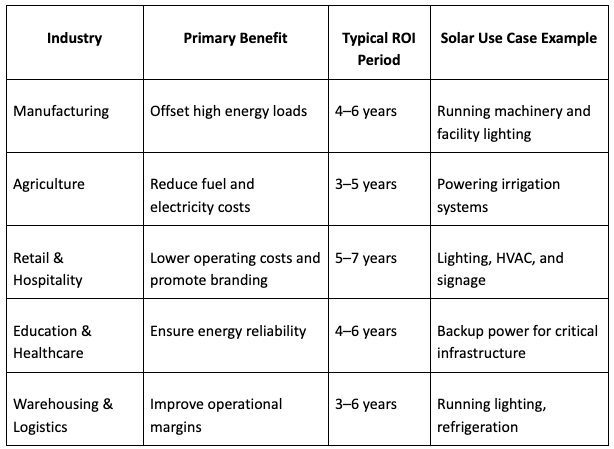
While solar PV is versatile, specific sectors benefit more immediately from its adoption. Here’s a look at how various industries leverage solar to future-proof their operations:
Future Innovations in Commercial Solar PV
As technology evolves, the commercial solar PV space is expanding with new tools, models, and integrations that will further enhance business benefits.
Bifacial Solar Panels
These panels generate energy from both sides, capturing reflected sunlight. They offer higher efficiency and better performance in open, reflective environments like rooftops or open fields.
Building-Integrated Photovoltaics (BIPV)
BIPV systems blend solar modules into building materials such as glass, windows, or walls. This design-forward solution allows buildings to generate energy without additional structural equipment.
AI-Driven Energy Management
Artificial intelligence is optimizing how energy is stored and distributed. AI-powered platforms can adjust consumption in real time based on predictive analytics and weather conditions.
Energy Storage Integration
Combining solar PV with advanced battery systems enhances energy independence. It ensures 24/7 availability and smooths out supply during cloudy or peak times.
Smart Inverters
Modern inverters do more than convert power, they also track data, send alerts, and communicate with grid operators. This real-time data improves uptime and grid compliance.
The Future of Business Energy is Solar
As businesses plan for long-term resilience, solar PV stands out as a clear solution. It is scalable, accessible, and supported by a growing ecosystem of technology and incentives.
- Enables long-term energy cost savings
- Strengthens risk management and operational continuity
- Meets investor and regulatory sustainability expectations
- Offers scalable solutions for different business sizes
- Builds stronger relationships with eco-conscious customers and stakeholders
Conclusion
Solar PV is a smart, forward-looking investment for any business committed to stability, savings, and sustainability. From financial returns to risk mitigation, the benefits are far-reaching and long-lasting.
FAQs: Solar PV for Businesses
Q: How long does a commercial solar installation take?
A: Most installations are completed within 1 to 3 months, depending on the size and complexity of the project.
Q: What is the typical payback period for commercial solar panels?
A: The average payback period ranges from 4 to 7 years, with continued savings for 25+ years after.
Q: Can solar panels power my business entirely?
A: Yes, depending on your energy usage and available space, it’s possible to meet all or most of your energy needs through solar.
Q: Are there maintenance costs for commercial solar systems?
A: Solar PV systems have minimal maintenance needs. Occasional cleaning and system checks help ensure optimal performance.
Q: Will installing solar disrupt my business operations?
A: Professional installers like Renew-Able coordinate with your schedule to minimize disruption. Most systems can be installed with minimal interruption.
Q: What financing options are available for businesses?
A: Options include outright purchase, solar leases, and power purchase agreements (PPAs). Incentives and tax benefits may also apply.
Disclaimer: The information provided in this article is intended for general informational purposes. Results from solar PV installations, including cost savings and payback periods, may vary depending on specific business needs, location, and other factors. Businesses should consult with professional solar providers to assess their unique circumstances and eligibility for available incentives.