

By: Thomas Reed
How Angie Webber is reshaping customer experience through social intelligence and emotional awareness
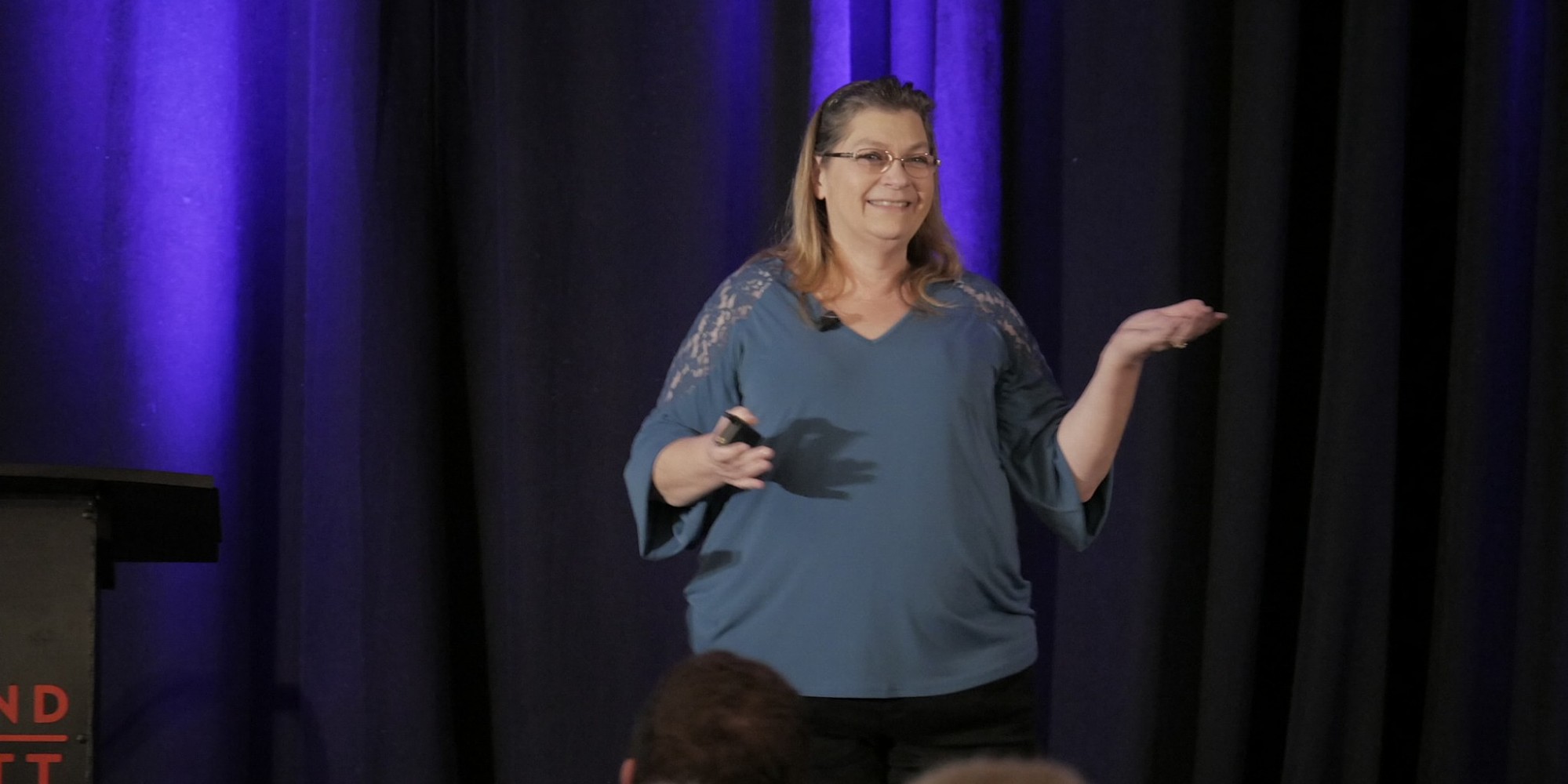
In an era where dashboards and data often dominate leadership conversations, Angie Webber brings the focus back to something both simpler and more complex: the human experience. Angie does not talk about customer service or leadership as a set of scripts or policies. She speaks about it as a living, breathing exchange between people, shaped by emotion, awareness, and the often invisible stories individuals carry into every interaction.
A Gift Forged Through Experience
Angie’s belief that her work is a gift to struggling businesses is not a branding line. It is rooted in a personal journey marked by setbacks, pressure, and the kind of professional storms that force leaders to look beyond surface-level fixes. Early in her career, she noticed a pattern. Teams can be well trained, well staffed, and well resourced yet still fall short of their potential. The problem was rarely technical. More often, it lived in the spaces between people, in unspoken tension, unresolved stress, and a lack of emotional balance.
Discovering the Power of Social Intelligence
This realization led Angie to explore what she now calls Social Intelligence: the ability to read group dynamics, recognize emotional undercurrents, and respond intentionally rather than react. She saw that when leaders and frontline teams learned to tune into these signals, something shifted. Conversations became more productive. Customers felt genuinely heard. Employees reconnected with their sense of purpose. Results began to move forward with less friction, not because pressure increased, but because clarity and trust did.
Emotional Intelligence as Strategy
For Angie, emotional intelligence is not a soft skill. It is a strategic lens. She describes it as the capacity to notice what is not being said and to act before small issues become lasting damage. In customer relationships, this awareness can mean the difference between loyalty and quiet departure. A once engaged client who suddenly goes silent is not simply busy. That silence, Angie believes, is often a signal that the relationship is slipping. Leaders who build systems to notice these gaps and reach out early send a powerful message that customers are seen and valued, not just tracked.
Changing Culture One Interaction at a Time
Her vision of changing corporate culture does not begin in executive meetings. It starts at the counter, on the phone, and in the inbox. Angie emphasizes equipping frontline teams with what she calls people tools. These include emotional balance, clear communication, and an understanding of how stress and past experiences shape behavior. When staff are supported in this way, they stop reacting defensively and start responding thoughtfully. A tense moment becomes a chance to solve, not a trigger to escalate. Over time, these everyday wins shape how a brand is remembered.
Leading with Awareness and Care
A key part of Angie’s approach is trauma-informed leadership. She reminds leaders that every person, whether an employee or a customer, brings a history into each interaction. Some carry invisible triggers that can surface under pressure. When leaders and teams are trained to recognize this, conflict is no longer seen as a personal attack or a performance failure. It becomes a moment that calls for patience, adaptation, and care. This shift not only improves customer outcomes but also protects staff from burnout by equipping them with tools to manage stress with confidence rather than exhaustion.
The Art of Deep Listening
Angie’s colleagues often describe her as a customer service savant, someone who can step into even the most difficult interactions and guide them toward a professional, positive outcome. She credits this reputation not to natural talent, but to a habit of listening deeply. Listening, in her view, is not about waiting for a turn to speak. It is about paying attention to tone, timing, and what lingers beneath the words. This level of attention allows leaders to anticipate needs, address concerns early, and build relationships that feel personal rather than procedural.
Where Results and Relationships Meet
What sets Angie’s perspective apart is her refusal to separate performance from humanity. She believes that strong metrics follow strong relationships, not the other way around. When teams feel supported, and customers feel understood, loyalty grows naturally. This creates what Angie describes as downstream momentum, where progress feels less like pushing against resistance and more like moving with the current.
A Practical Lens for Modern Leaders
For leaders who are overwhelmed by constant demands and competing priorities, Angie offers a grounded reminder. The most powerful lever they have is not another system or policy. It is the way they show up in everyday moments. A timely check-in, a calm response under pressure, or a genuine effort to understand someone else’s experience can quietly reshape a culture.
Angie hopes that readers and leaders walk away with a new lens for success. Not one defined only by growth charts or quarterly targets, but one measured in trust, connection, and the stories customers and employees tell about how they were treated. In a business landscape that often prizes speed and scale, her work stands as a reminder that influence still begins and endures, at a very human level.
A Human-Centered Legacy
At its core, Angie’s message is simple without being easy. When leaders invest in awareness, empathy, and emotional clarity, they do more than improve service. They create spaces where people can thrive, even under pressure. And in doing so, they turn everyday interactions into a quiet but powerful force for lasting impact.
Learn more about Angie’s methods, trainings, and customer experience resources at angelawebber.com, where she shares tools to help leaders and teams grow with emotional intelligence and human-centered strategy.
Disclaimer: The information provided in this article is for informational purposes only and reflects the personal insights and strategies of Angie Webber regarding customer experience and leadership. While these approaches have proven successful in various settings, results may vary depending on individual business circumstances. There are no guarantees of specific outcomes or success in applying these methods.