


By: Robert Freeman
The U.S. Presidential election is quickly approaching, and the ride thus far has been a true roller coaster, with twists and turns, ups and downs – and a whole lot of screaming from both sides.
Talking politics is often tricky, but with this election, we are more polarized than ever. The day after the election, regardless of who wins, it’s likely that 50% of the U.S. voting population will be disappointed, depressed, and distraught.
It’s one thing to discuss politics with your friends and family, but quite another to do so at work. As Kelly McDonald, author of How to Work With and Lead People Not Like You, wisely points out, “It can be fraught with peril: maybe you voice the ‘wrong’ opinion with someone at work and it comes back to bite you professionally. Maybe you or one of your coworkers are upset about politics, and the conversation ends with raised voices or someone stomping off in anger. Or maybe you feel totally alone because you know that your opinion is not shared by anyone else at work, and you’re afraid of being ostracized or ridiculed.”
In this tense environment, navigating political conversations at work requires tact and respect. McDonald offers how to manage these discussions and maintain a positive work environment.
“There are two kinds of political discussions held at work: professional and personal,” she says. “The professional type of conversation focuses on business implications of an election outcome. For example, for highly regulated industries such as financial services or energy, a new administration can bring changes that affect the industry significantly. In these cases, it’s imperative that leadership teams discuss the political impact of an election on their industry and prepare for the possibility of changes to their products or services.”
But it’s the personal discussions that stress workers out most, because those conversations get into personal ideology, and no one likes to be told their ideology is wrong or bad.
McDonald adds, “Here is the ideal way to disengage when someone wants to pull you into a personal political discussion at work:
‘Politics frustrate and exhaust me. Work is the one place where I can escape from it all. Let’s talk about something else – ANYTHING else! (said with a smile). I know you understand.’”
The magic statement here is “I know you understand”, because it positions the other person to agree and understand your desire to avoid the topic. If the other person persists, you can re-state your request: “I really can’t get into it – my tank is empty on this subject. Please – I know you understand.” McDonald stresses to keep repeating “I know you understand” until the other person backs off. Be sure to thank them: “Thanks for understanding – I appreciate you.” Saying thanks to the other person acknowledges their consideration of you and lets them know that you are not avoiding them, just the political dialogue.
If you’re in a leadership position, your behavior sets the tone for others. Demonstrating respectful communication and avoiding divisive topics can help create a culture where everyone feels comfortable. Encourage your team to focus on common goals and professional growth rather than political differences.
McDonald emphasizes, “If someone on your team brings up politics in a way that disrupts the workplace, it’s essential to address it privately. You can remind them that while everyone is entitled to their opinion, the workplace isn’t the ideal place for these discussions.”
By leading with empathy and professionalism, you can set a standard that prioritizes respect and unity in the workplace.

Navigating political discussions at work is all about maintaining professionalism, respect, and boundaries. As Kelly McDonald advises, focusing on shared goals and common interests can help diffuse tense situations and foster a positive work environment. Remember, work should be a place where everyone feels comfortable and respected, regardless of their political views. By leading with empathy and setting clear boundaries, you can ensure that the workplace remains a space for collaboration and productivity, even during polarizing of times.
About Kelly McDonald:
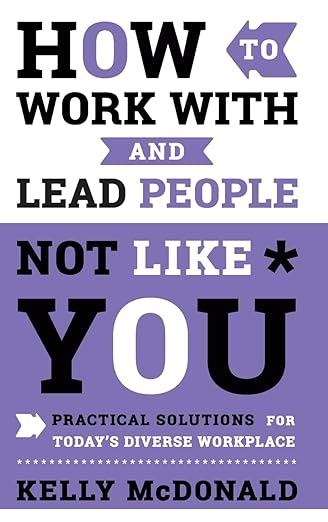
Author Kelly McDonald is a professional speaker and expert on diversity in business. She’s authored four bestselling books on marketing, the customer experience and leadership, all from the standpoint of working with people “not like you”. Her book, How to Work With and Lead
People Not Like You has been on two bestseller lists. You can learn more about the book and McDonald’s work here.
Published by: Khy Talara