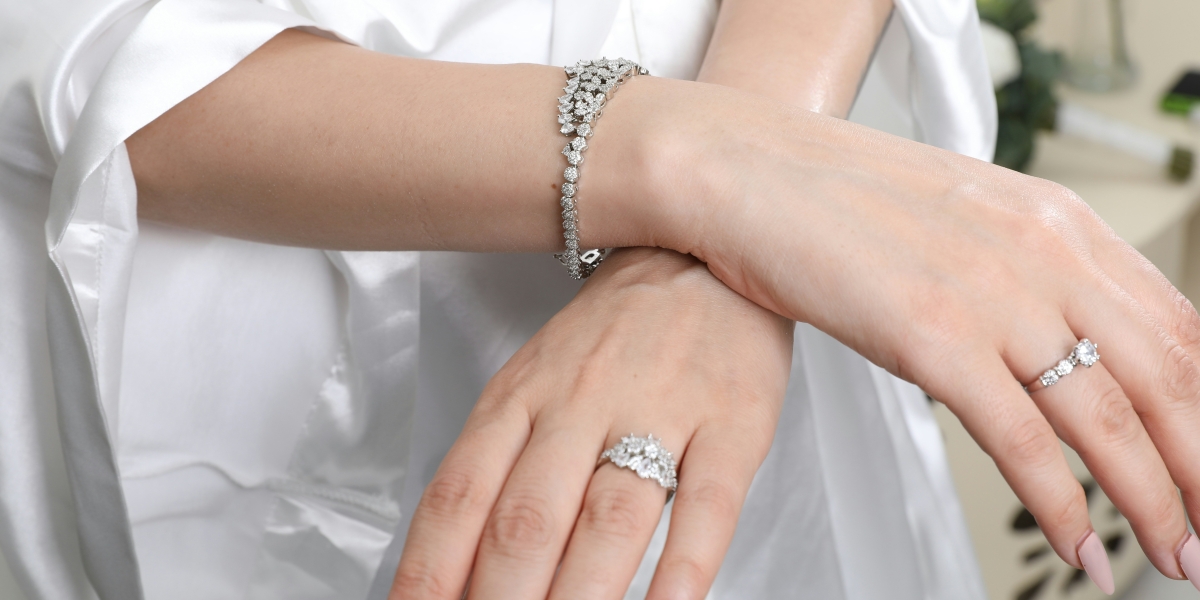


Flexible diamond bracelets, most notably the classic tennis bracelet, are staples in any fine jewelry collection. Their fluid movement and continuous sparkle make them incredibly desirable. However, the very feature that makes them so attractive – their flexibility – is also what makes them vulnerable.
Unlike rigid bangles, these pieces are comprised of numerous small metal links holding diamonds, allowing the bracelet to drape elegantly around the wrist.
If stored improperly, these links can twist, bend, or lock into unnatural positions, leading to permanent kinks or snapped connections. Furthermore, diamonds are the hardest substance on earth, meaning they can easily scratch the metal settings of neighboring jewelry or even other diamonds. To maintain the sparkle and structural integrity of your fine jewelry, understanding the best way to store flexible diamond bracelets is crucial.
Why Flexible Bracelets Are Prone to Kinking
To understand the best storage methods, one must first understand the mechanics of the jewelry. Flexible bracelets rely on a series of hinges or pin connections. When these bracelets are tossed carelessly into a box or a pile on a nightstand, the links can be forced past their natural range of motion.
Once a link gets stuck at an odd angle, forcing it back into place can snap the tiny metal pin holding it together. This results in a “kink” where the bracelet no longer lies smooth and flat. Preventing this requires storage solutions that respect the mechanical limits of the links.

The Golden Rule: Store Them Flat
The consensus among jewelers is clear: the best way to store flexible diamond bracelets is to lay them flat. Gravity and friction are the main enemies of articulated links.
Ideally, you should use a jewelry tray with dedicated compartments. Here is why laying them flat is superior:
- Prevents Stretching: Hanging a heavy diamond bracelet can eventually stretch the metal links due to the weight of the stones, weakening the setting over time.
- Eliminates Tangles: Laying the item flat ensures it does not get intertwined with necklaces or other chains.
- Maintains Shape: It allows the links to rest in their natural, neutral position without stress on the hinges.
If you own several high-value pieces, consider investing in a velvet or suede-lined jewelry drawer organizer. The soft fabric provides friction that keeps the bracelet from sliding around while cushioning the diamonds.
Separation is Key
Diamonds are abrasive. If two diamond bracelets rub against each other, they will scratch the gold or platinum settings, and potentially chip the girdles of the stones. When you acquire timeless diamond bracelets, you are making an investment that should last a lifetime, and keeping them physically separated is the primary way to ensure they remain pristine.
If you do not have a tray with individual slots, you can use soft cloth pouches. Place each bracelet in its own pouch before placing them in a larger jewelry box. Ensure the pouch is made of breathable material like cotton, silk, or microfiber to prevent moisture buildup.
Alternative Storage Solutions
The Original Box
Often, the box the jewelry came in is designed specifically to support that piece. If the box is long enough to allow the bracelet to lie fully flat (rather than wrapped tightly around a small pillow), it serves as an excellent permanent storage container.
Jewelry Rolls for Travel
When traveling, maintaining the “lay flat” rule is difficult. In this case, a jewelry roll is your best friend. These rolls typically feature snap loops that secure the bracelet at one end and a pouch at the bottom to tuck the rest in. This keeps the bracelet relatively straight and prevents it from crushing against itself inside your luggage.
Common Mistakes to Avoid
Even with good intentions, many owners accidentally damage their bracelets through poor habits. Avoid these common pitfalls:
- Never use cotton wool: Do not wrap your bracelets in loose cotton wool batting. The fibers can snag on the prongs of the diamond settings, which is difficult to remove and can loosen the stones.
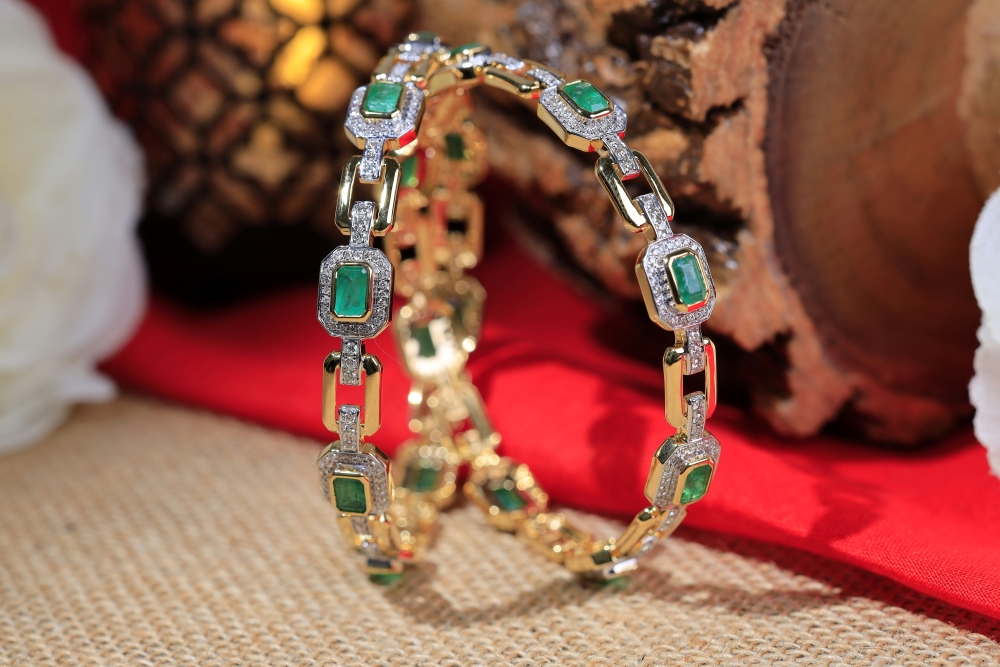
- Avoid rigid round displays: While bangles look great on hard, round velvet displays, flexible bracelets should not be stored under tension. If the display is too wide, it strains the clasp and the links.
- Don’t pile them up: Never drop a flexible bracelet into a dish with other jewelry. The weight of other items pressing down on the links can cause immediate kinking.
Maintenance Before Storage
Before you put your bracelet away for a long period, give it a quick inspection. Oils from your skin, lotions, and perfumes can accumulate between the links. Over time, this grime can harden, making the links stiff and more prone to kinking.
Gently wipe the bracelet with a soft, lint-free cloth to remove surface oils. If the bracelet feels stiff, it may need a professional cleaning to remove debris caught in the hinges. Storing a clean bracelet ensures that it remains flexible and ready to wear the next time you take it out.
In Summary
The best way to store flexible diamond bracelets is remarkably simple: keep them flat, keep them soft, and keep them separate. By avoiding the temptation to hang them or toss them into a crowded jewelry box, you protect the delicate mechanical links that give the bracelet its fluid beauty. Treating your diamond bracelets with this level of care prevents unsightly kinks and ensures your jewelry remains a sparkling asset for generations to come.