By Héctor C. Moncada D.
There is a hard truth that most entrepreneurs learn too late. Being excellent at what you do is not enough. You can have a superior product, a loyal customer base, a clean operation, and a track record that should speak for itself, and still lose deals, miss opportunities, and stall out simply because the right people have never heard of you. Visibility has become one of the most consequential competitive advantages a business can have, and the entrepreneurs who understand that are building it deliberately, systematically, and early.
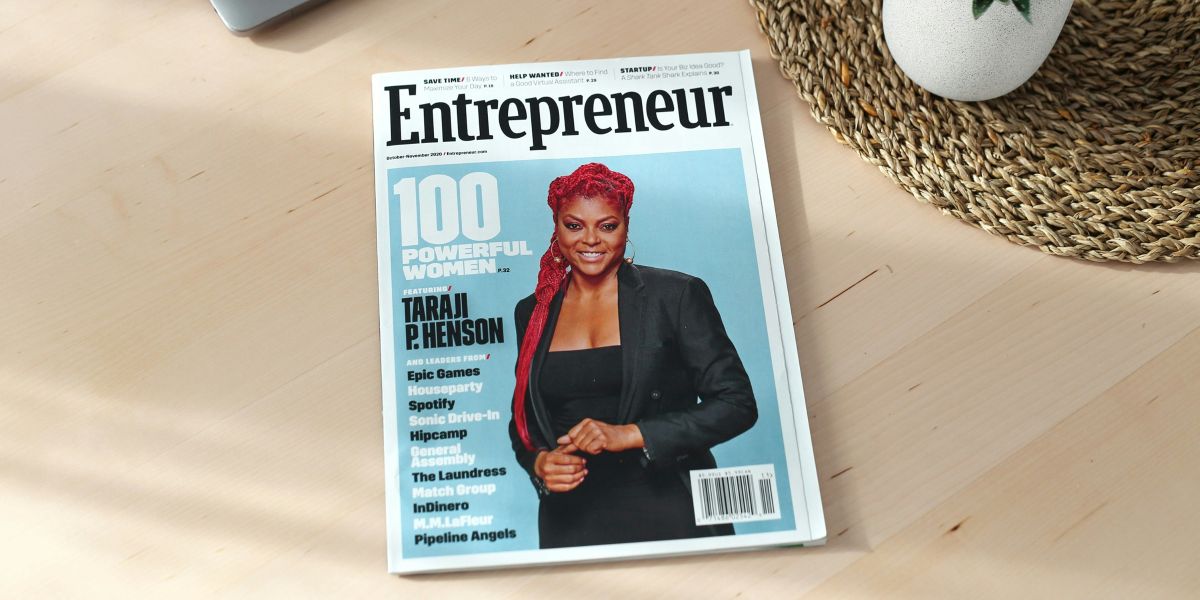
Business magazines and media features remain among the most powerful visibility tools available to entrepreneurs today. A single placement in the right publication can do more for credibility than a year of social media posts, paid ads, or cold outreach combined. That reality has not changed. What has changed is the urgency behind it, and the mechanics of how visibility actually works in 2026.
Customers, investors, and partners typically discover brands online first, and a strong digital presence directly influences business outcomes. Credibility is built in public, conversations happen in real time, and growth increasingly depends on how well a brand communicates its value across digital channels. The days of letting results speak for themselves are effectively over. Results need amplification, context, and a media trail that corroborates them.
Despite unprecedented entrepreneurial energy (one in three U.S. adults plans to start a business or side hustle in the next twelve months, a 94% jump from the previous year) more than half of U.S. adults report lacking confidence in core business functions like managing cash flow and handling taxes. The ambition is there. The strategic clarity around visibility, for most founders, is not.
David Quintero, CEO of NewswireJet, a Florida-based press release distribution and media outreach company serving startups, agencies, and growing businesses across the United States, has worked with enough founders to know exactly where that gap shows up.
“The pattern is consistent,” Quintero says. “A business owner has done the hard work (they’ve built something real, they’ve got clients, they’ve got results) and then they wonder why growth has plateaued. Nine times out of ten, the answer is visibility. Nobody outside their immediate network knows they exist. Press coverage changes that, but only when it’s treated as a system rather than a one-time event. Clients who commit to consistent distribution, regular press releases tied to milestones, product moments, and industry angles, tend to build stronger visibility over time.”
The brands winning in 2026 treat AI visibility like reputation insurance, proactive, consistent, and built on a factual foundation. AI systems prioritize brands repeatedly linked by credible sources, which means the media coverage you earn today directly shapes how future audiences discover your company through AI-mediated search. This is a dimension of visibility that most small business owners have not yet fully grasped, and one that is growing in commercial importance every month.
Media exposure creates a sense of authenticity, trust, and authority that speeds up lead conversions. But securing coverage is only half the story, maintaining relationships with journalists is where lasting visibility is built, and founders who treat media outreach as an ongoing relationship rather than a transactional pitch see dramatically better long-term results.
Andrew Swiler, founder of Ironback.ai and a serial entrepreneur who has built, acquired, and operated companies across three continents, has learned through direct experience that operational excellence and public visibility are not interchangeable. His Barcelona-based firm embeds trained AI specialists inside specialty trade businesses (companies with 25 to 150 employees) to build and run AI tools from within.
“The businesses I’ve worked with that struggled to grow despite having a genuinely strong offering almost always had the same problem: no external narrative,” Swiler explains. “Their reputation existed only inside existing client relationships. The moment they needed to expand (attract investors, hire senior people, win larger contracts) they had nothing to point to. No press. No third-party validation. No story that lived outside their own website. You can’t build credibility retroactively when you need it. It has to already be there.”
Entrepreneurship in 2026 increasingly favors depth over volume. Sustainable growth depends on long-term customer relationships, credible social responsibility, and validated demand, and the entrepreneurs best positioned are those who combine technological capability with purpose and a clear public identity that their target market can find, assess, and trust.
For Daniel Oz, CEO and founder of Marry From Home (a company that enables couples from around the world to legally marry online through a U.S. county process conducted over video) visibility has been both a growth driver and a mission-critical tool. His company was founded after a personal experience watching a family member unable to marry in her home country due to laws against same-sex marriage. The service has since expanded globally, and its reach has grown almost entirely through earned credibility rather than paid acquisition.
“Our clients are often in countries where what we offer isn’t widely known,” Oz explains. “They find us because someone wrote about us, because we appeared in a search result tied to a credible source, because a journalist covered the issue and our name was in the story. That’s not luck. We’ve been intentional about making sure our story is out there, the why behind the company, the legal legitimacy of the service, the real outcomes for real couples. Visibility in our case is inseparable from trust. If people can’t find credible information about us, they don’t move forward. It’s that direct.”
Catherine Deutschlander, founder and CEO of CW Design PLLC and a certified interior designer with 27 years of experience, has built her Maple Grove, Minnesota studio on a foundation of specialized expertise in accessible and family-centered spaces. Her work spans home remodels, aging-in-place modifications, and environments designed to serve clients across every stage of life. For a design studio competing against both large firms and local generalists, visibility in the right channels has been a deliberate priority.
“My clients are making decisions about their homes, one of the most personal and significant investments they’ll ever make,” Deutschlander says. “They do their research carefully. If my work isn’t visible in the places they look (publications, directories, editorial features that speak to accessible design and thoughtful living) I simply don’t exist in their consideration set. Visibility isn’t about ego. It’s about being findable by the people who need exactly what you do, at the moment they’re ready to act.”
The more credible content that exists about a business online, the more likely it becomes that new audiences discover the company through search and AI systems. Coverage through a credible publication can influence investor interest, customer discovery, strategic partnerships, hiring, and brand authority, and for early-stage companies, that kind of credibility often becomes a turning point.
The entrepreneurs approaching 2026 most effectively are not the loudest or the most prolific. The most powerful approach combines founder-led storytelling (sharing the challenges, failures, and motivations behind a venture to create emotional resonance) with strategic media presence that builds authority across the channels where buyers, partners, and investors look first. Together, those two elements create something that neither advertising nor product quality alone can manufacture: a reputation that precedes you, opens doors before you knock, and compounds in value every time a new piece of credible coverage is added to the record.
In a market where most businesses are invisible by default, being seen is not a vanity exercise. It is a growth strategy.