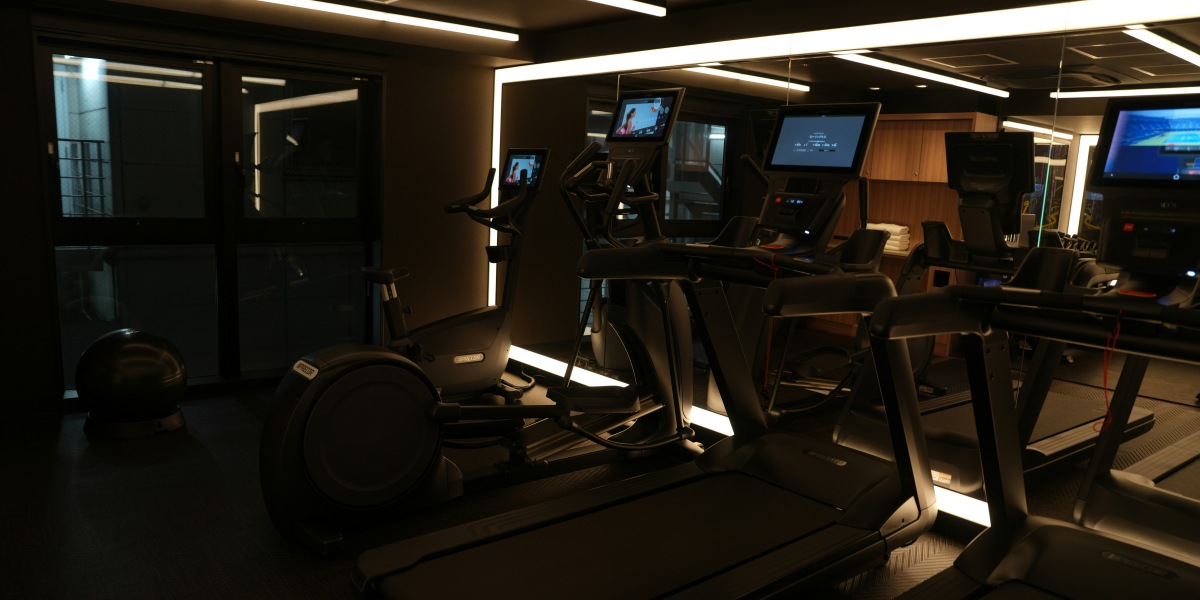


There was a time when the phrase “home gym” meant a garage full of iron plates, a squeaky treadmill, and maybe an old punching bag gathering dust. Effective? Sure. Practical? Not for most people. The reality is simple: most households lack the space or patience to dedicate an entire room to exercise equipment.
This is where compact, foldable smart gyms have stepped in. Over the past few years, a new generation of machines has promised strength training without the clutter, AI coaching without the need for a personal trainer, and portability without compromise. Among them, Speediance’s Gym Monster stands out as one of the evident signs that foldable fitness is no longer a gimmick. It’s the future.
Why Space Matters More Than Ever
Space has become a luxury. Urban apartments shrink year by year, and even suburban homes are packed with furniture, kids’ toys, and office desks. Few people can justify carving out a permanent corner for a squat rack or cable station.
Traditional home gyms require a commitment, not just in terms of money, but also in terms of square footage. A bench press and barbell take up more than you think. Add dumbbell racks, plates, and a treadmill, and suddenly you’ve lost your garage. For many families, that trade-off is a nonstarter.
Compact gyms flip the equation. A system that folds flat against a wall or wheels away when not in use makes strength training accessible to people who previously thought it was out of reach. This isn’t a niche problem; it’s a universal one.
The Pandemic Catalyst
The timing wasn’t accidental. The pandemic forced millions to rethink fitness. When gyms shut down, people scrambled for alternatives. Resistance bands sold out. Dumbbells were priced like gold bars on second-hand sites.
That desperation opened the door for innovation. Companies like Tonal, Vitruvian, and Speediance saw an opportunity. If you could make a gym that fit into a tight space but still delivered serious workouts, people would pay attention, and they did.
Even as gyms reopened, the habit stuck. Once someone realizes they can train in their living room with no commute, it’s hard to go back. Foldable fitness machines tapped into that new normal.
How Foldable Smart Gyms Work
So, what makes these systems different from a basic resistance band or adjustable dumbbell set? The answer is in the combination of compact design and innovative technology.
Take the Speediance Gym Monster. At first glance, it appears to be a tall cabinet. But unfold the arms, and you’ve got cables that simulate a whole gym experience, i.e., presses, rows, squats, curls. The machine offers multiple resistance modes, from standard weight to eccentric overload. Then there’s the screen. A 32-inch rotatable display guides users through workouts, tracks data, and integrates with AI that adapts resistance in real time. When you’re done? Fold it flat against the wall.
The foldable feature isn’t just about saving space. It also alters how people perceive exercise. Instead of dedicating a “gym room,” the living room or bedroom can double as a workout space, then return to normal within minutes.
Why Foldability is a Game-Changer
Foldability isn’t flashy. It doesn’t scream innovation the way AI does. But it solves the most stubborn barrier to home fitness: permanence.
A treadmill in the corner is a permanent fixture. A squat rack is permanent. Foldable gyms are temporary by design. You can hide them away, move them between rooms, or even take them with you if you relocate. That flexibility makes fitness less intimidating and more adaptable to modern living.
Speediance’s Role in the Foldable Trend
Among the growing list of compact systems, Speediance’s Gym Monster has been one of the most widely discussed. Launched after a successful Kickstarter campaign, it arrived with skepticism. Could a foldable gym actually replace traditional equipment?
Reviews suggest it can, at least for most people. Wired praised its design for city dwellers. SFGate admired how easily it folded flat. The Manual highlighted its quick assembly and AI-driven workouts. Critics noted the resistance cap of 220 pounds might not satisfy serious powerlifters, but for the majority of users, it’s more than enough.
What Speediance proved is that foldability doesn’t mean compromise. It implies balance: enough resistance for progress, enough smarts for safety, and enough portability to keep living rooms uncluttered.
Awards and Recognition
The industry has also taken notice. In 2025, the Gym Monster 2 and the VeloNix bike won at the FIT Sport Design Awards. That same year, the Gym Monster 2 earned a Global Tech Award in the Fitness Technology category. Recognition from design and tech bodies isn’t just a pat on the back. It’s a signal that foldable fitness equipment is being taken seriously by professionals, not just consumers.
For a company founded in 2020, Speediance’s rapid transition from crowdfunding to winning global awards is remarkable. It shows that foldable gyms aren’t a side experiment; they’re a legitimate category in modern fitness.
The Bigger Picture: Compact Fitness for All
Foldable gyms aren’t just for gadget lovers. They represent something bigger: accessibility.
Think about the demographics. Apartment dwellers who can’t fit a treadmill. Parents who don’t want bulky machines around their kids. Retirees who want a simple way to stay active without leaving home. Foldable smart gyms speak to all of them.
They also fit into the broader trend of hybrid fitness. People might still attend a yoga studio once a week or hit a commercial gym occasionally. However, their baseline routine —the daily, consistent part —is shifting home. And foldable systems make that sustainable.
Challenges Ahead
None of this means the journey will be easy. Compact gyms are still more expensive compared to traditional weight equipment. Resistance limits remain a sticking point. The tech itself needs ongoing refinement; buggy software or unreliable sensors can quickly sour the experience.
Competition is also fierce. Tonal and Vitruvian are strong rivals. Even Peloton, though primarily focused on cardio, has explored branching into strength training. Speediance and others will have to keep innovating to stay ahead.
But the foundation is solid. The demand is real. People want fitness that fits their space and their lifestyle, not the other way around.
The Future
The future of fitness is not bigger, heavier, or bulkier. It’s smaller, more intelligent, and more adaptable. Foldable smart gyms represent the next step in that evolution.
Speediance’s Gym Monster is proof that people will embrace foldable designs if the experience is seamless. It may not replace barbells for hardcore lifters, but it doesn’t need to. It just needs to make strength training possible for the millions of people who don’t have the space for racks and plates.
In a decade, we may look back at garage gyms crammed with equipment the way we now look at VHS tapes — useful once, but too bulky for the modern world. Foldable fitness is here, and it’s reshaping workouts one living room at a time.