


By: Alva Ree
For many years, personal branding was associated with influencers, public figures, or people whose careers depended on visibility. Entrepreneurs and executives often viewed it as optional, secondary, or even unnecessary.
That perception has changed.
Today, personal brand plays a practical role in business. It affects trust, access, and decision-making long before any contract is signed or a meeting is scheduled. In many cases, it determines whether a conversation happens at all.
Roman Reddington, CEO of FashionStyle.NYC, works across fashion, media, and service-based businesses. His experience illustrates how personal brand functions not as self-promotion, but as a working business asset.
“People don’t separate the company from the person running it,” Reddington says. “They evaluate both at the same time.”
What Personal Brand Actually Does in Business
In competitive markets, most offers look similar on paper. Expertise is assumed. Professional competence is expected.
What changes the dynamic is credibility.
Before reaching out, clients, partners, and collaborators typically do one thing first: they look you up. They check search results, media mentions, websites, and social profiles. From this, they form an initial judgment about whether engaging with you is worth their time.
A personal brand does not need to convince. It needs to remove doubt.
When done properly, it answers basic questions:
- Is this person real and active?
- Do they operate at a serious level?
- Is there consistency between what they say and what they do?
If these questions are answered clearly, friction drops significantly.
Personal Brand Is Not Influencer Activity
One of the biggest misconceptions among entrepreneurs is equating personal brand with influencer culture. In practice, the goals are completely different.
Influencers optimize for attention.
Business owners optimize for trust.
Personal brand in business is not about frequency of posting or chasing visibility. It is about controlled presence, appearing in the right contexts, with the right message, in front of the right audience.
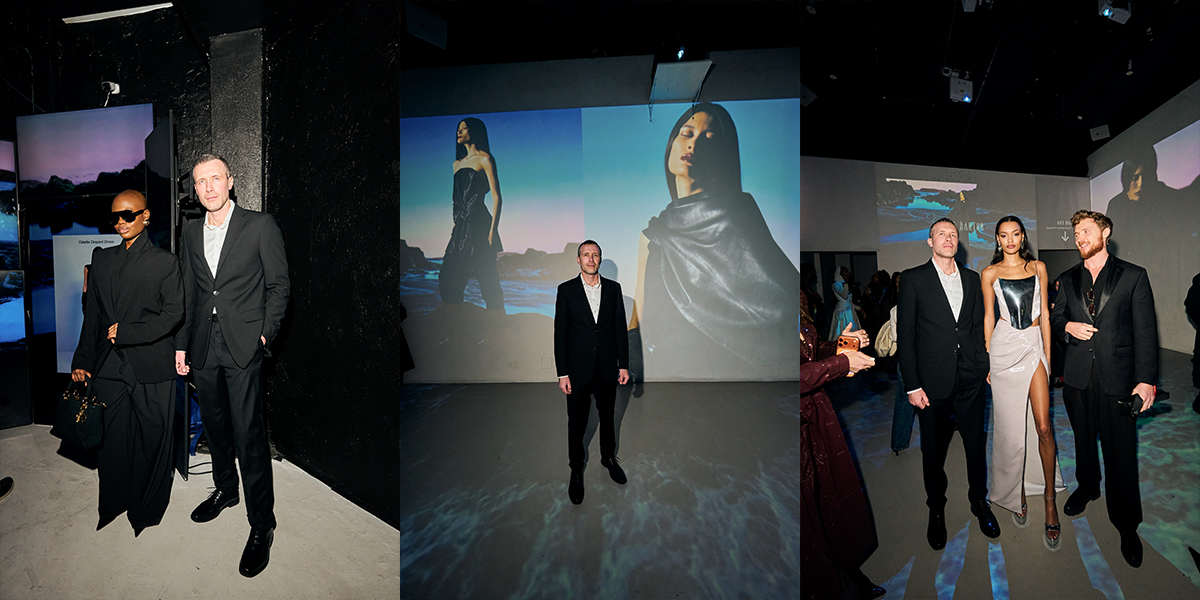
Reddington’s approach reflects this distinction. His visibility comes primarily through professional contexts: industry events, media features, editorial involvement, and selective online presence. The goal is not to reach, but to be relevant.
“Silence can weaken positioning,” he notes. “But noise can damage it much faster.”
How Personal Brand Supports Business Operations
When aligned with business goals, personal brand works quietly in the background.
It shortens decision cycles.
It lowers the cost of trust.
It improves the quality of inbound opportunities.
For FashionStyle.NYC, founder visibility supports credibility in an industry where reputation matters more than detailed service descriptions. Potential partners already have context before any conversation begins.
In service-based businesses, this effect is even more noticeable. Clients are less hesitant when they feel they understand who they are dealing with. Personal brand reduces perceived risk.
Importantly, this does not replace operational quality. It amplifies it.
Common Mistakes Entrepreneurs Make
Despite its growing importance, many founders approach personal branding either without a clear framework or entirely.
Typical mistakes include:
- treating visibility as vanity rather than strategy
- oversharing personal life instead of professional thinking
- outsourcing narrative without direction
- inconsistent messaging across platforms
Another common error is waiting too long. Many entrepreneurs delay building a personal brand until they “need it.” By that point, opportunities that rely on trust and visibility may already be lost.
Personal brand works best when built gradually and intentionally.
A System, Not a Performance
An effective personal brand is not about constant activity. It is about consistency.
Websites, interviews, professional bios, and social platforms should reinforce the same core message: what you do, how you think, and how you operate.
Reddington treats personal brand as a system, not a performance. Each public touchpoint supports the others. Nothing exists in isolation.
“A personal brand shouldn’t require daily effort,” he explains. “If it’s built correctly, it supports you while you focus on the business.”
Why This Matters More Now
As markets become more transparent and competitive, reputation increasingly precedes action. People want to reduce uncertainty before committing time or resources.
In this environment, personal brand is no longer about standing out. It is about being understood.
For founders and executives, that understanding becomes leverage.
Not leverage over others, but leverage over friction, doubt, and delay.
Personal brand, when approached practically, is no longer a trend or a marketing exercise.
It is part of how modern businesses operate.