


By: GuliSMM
A New Era of Interior Design
Interior design has always been about more than arranging objects in a room; it is about creating harmony between beauty, comfort, and identity. Yet for many families, turning inspiration into reality has long been a frustrating process. Walking through furniture showrooms, browsing carpets, or scrolling online stores often leaves people overwhelmed by choice and uncertain whether a piece will truly fit their homes. Into this challenge steps Findecor, an AI-powered platform founded by Hikmatillo Umarhojiyev, that is reshaping the way people approach carpets, furniture, and décor. By combining artificial intelligence, augmented reality, and marketplace integration, Findecor is helping people imagine, test, and curate designs that bring balance and style into their living spaces.
The Market Behind the Vision
The timing for such a platform could not be more opportune. The global home décor market was valued at USD 747.8 billion in 2024 and is projected to surpass USD 1 trillion by 2032, while the furniture market alone is expected to experience growth beyond USD 1.16 trillion by 2034. E-commerce and online channels are reshaping how customers shop, with virtual staging and AI-driven personalization among the fastest-growing trends. At the same time, sustainability and eco-conscious design are becoming priorities, with buyers increasingly seeking décor that reflects both personal style and responsible living. Against this backdrop, Findecor is well-positioned to be part of the next wave of innovation by connecting technology with the timeless human need for homes that feel personal, confident, and harmonious.
From Carpets to AI: A Founder’s Inspiration
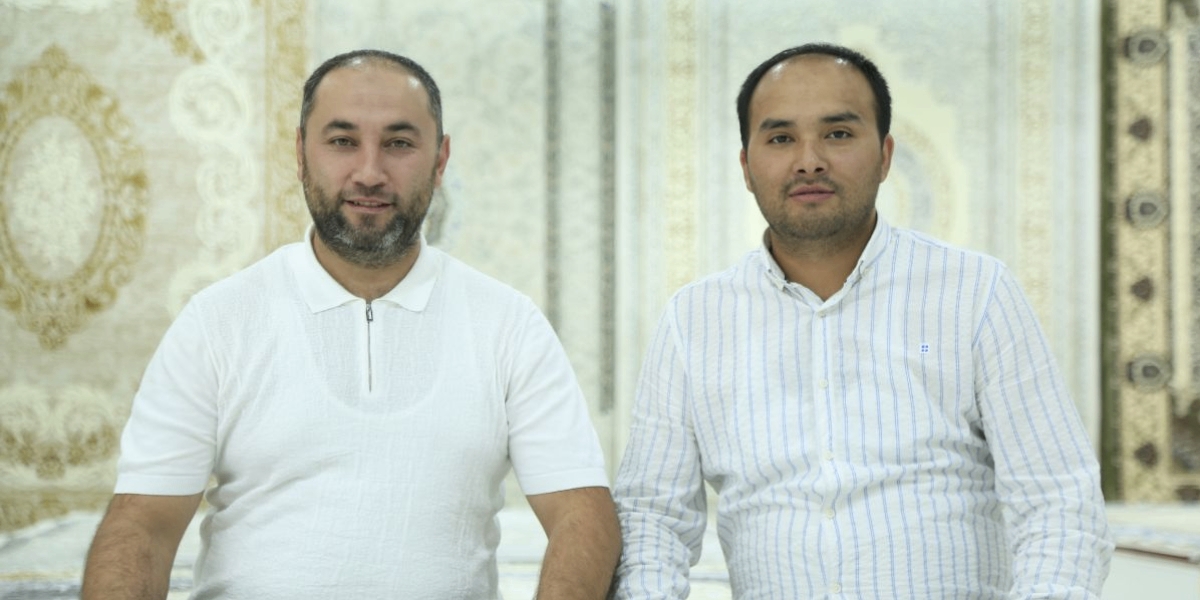
The story of Findecor did not begin in Silicon Valley’s startup ecosystem but in the carpet showrooms of Uzbekistan. As a master craftsman and entrepreneur selling handmade and machine-woven carpets, Umarhojiyev experienced first-hand the challenges customers faced when choosing the right piece for their homes. Families would enter his showroom inspired and eager, but quickly grew hesitant when confronted with the task of matching a carpet with their existing furniture and décor.
He recalls countless conversations where buyers would ask if a bold patterned rug would clash with their beige sofa, whether a floral design would harmonize with modern tables, or if the colors would feel too heavy against their curtains and wall paint. Sometimes they brought photos, sometimes only memories, but the uncertainty often ended in indecision. The difficulty of visualizing how a carpet, a sofa, or a décor piece would look together inside the real home revealed a deep gap in the customer experience. It was in those moments—watching people struggle to make confident choices—that the idea for Findecor began to emerge.
A Journey Woven with Tradition and Leadership
Umarhojiyev’s entrepreneurial journey reflects the same blend of tradition and innovation that defines his startups. Born in Uzbekistan’s Fergana Valley, he was trained in the art of handmade carpet weaving, carrying forward a craft passed down for generations. As a craftsman, he not only created intricate designs but also trained young artisans and provided work opportunities for women, ensuring that this cultural heritage remained alive and relevant.
His path then expanded into commercial retail, where he worked with UrGaz Carpet and ACT Carpets, two of the leading regional carpet networks in Uzbekistan. There, he sold both handmade and machine-woven designs to thousands of customers across multiple showrooms. This experience exposed him to the complexity of customer decision-making: a carpet was never just a carpet; it had to match the sofa, the curtains, the wall colors, and the family’s sense of identity. These years of helping buyers navigate the emotional and aesthetic process of choosing carpets planted the seed for a larger vision—one where technology could guide families through those same decisions with clarity and confidence.
His leadership expanded further when he became CEO of Globus Mall, one of the largest shopping and entertainment centers in Andijan, where he managed a 13,500 m² complex and a team of more than 90 employees. At Globus, he gained insight into how to build and lead thriving communities while balancing the complexities of modern commerce. Today, as a graduate student at Golden Gate University in San Francisco, he blends academic rigor with entrepreneurial drive, channeling his knowledge into ventures like Findecor and Zarif.io, an AI-powered platform for textile design.
Turning Frustration into Innovation

Findecor was built to close the gap between inspiration and confidence. The platform allows users to upload photos of their own rooms and instantly see how carpets, sofas, tables, lighting, and wall art might look together. With the help of artificial intelligence, Findecor identifies products that complement each other in terms of color, pattern, and style. Augmented reality brings the vision to life, enabling customers to place virtual items into their living spaces before making a purchase.
Today, Findecor already connects with more than 101 marketplaces worldwide, featuring over 1.3 million live products and deals. This growing ecosystem ensures that inspiration is always linked to real choices, allowing customers to move seamlessly from visualization to purchase. For customers, this removes much of the guesswork and restores joy to the design process. For retailers and designers, it provides powerful tools to showcase products more effectively and engage clients with immersive experiences. Findecor is not only helping individuals decorate their homes with greater confidence—it is also creating an ecosystem where the furniture and décor industry can evolve with smarter, data-driven personalization.
Looking Ahead: The Future of Smart Living
The vision for Findecor is both ambitious and deeply human. As the global furniture and décor market continues to grow, the demand for personalized, sustainable, and immersive design experiences will only intensify. Findecor stands at the center of this transformation, offering a path for people to bring harmony into their homes with confidence and creativity.
As Umarhojiyev reflects: “I saw families struggling to choose the right carpet for their home. That experience taught me a lesson: design is not just about beauty—it’s about confidence and harmony. With Findecor, I hope to make sure people never have to guess again. They can see it, feel it, and know it’s right—before they buy.”
Summary
The journey of Hikmatillo Umarhojiyev is one of resilience, reinvention, and vision—from the weaving workshops of Uzbekistan to the innovation hubs of Silicon Valley. Through Findecor, he is transforming a universal challenge in home design into an opportunity for innovation, making it possible for carpets, furniture, and décor to come together seamlessly.
In a market worth over a trillion dollars in the coming decade, Findecor is more than a business; it is a movement helping to redefine how people imagine and shape the places they call home.
With Findecor, the future of home design is increasingly personal, intelligent, and beautifully connected.