In elite sport, recovery often coincides with the most demanding workouts. The logic is simple: tomorrow’s output depends on how well you reset today. More executives who train are adopting that mindset, and cold plunging has become a reliable tool in the mix—not as a stunt, but as a short, controllable input that pays out in energy, mood, and consistency.
Why Cold Works In A Busy Life
Cold immersion delivers a fast state change. Step in and your breathing focuses; step out and the day has a cleaner edge. For leaders who move from training to decisions in minutes, that immediate shift matters. Cold is also objective and repeatable: a set temperature, a short duration, and you’re done. There’s no playlist to curate or room to book—just a brief protocol that fits the margin between roles.
Benefits Executives Actually Notice
Sharper alertness. Cold provides a clear “on” switch. Many people experience a bump in wakefulness and mental clarity that carries into the next block of work. It’s not magic; it’s a reliable cue for focused attention that doesn’t require caffeine late in the day.
Better stress control. Cold is a mild, deliberate stressor. Meeting it with steady breathing trains composure that you can use elsewhere—such as board meetings, investor calls, and travel days. Over time, that practice feels like a wider buffer between stimulus and response.
Mood lift. Countless users report a lift in outlook after a cold plunge. The short jolt followed by a return to steady breathing often leaves you calmer and more optimistic—a valuable combination for long decision days.
Post-workout readiness. If you train before work or at lunch, a brief plunge can help you feel ready to re-enter the day. You’re not trying to erase training; you’re trying to protect tomorrow’s training by finishing strong today—less lingering tightness, a clearer head, and fewer excuses to skip the next planned session.
Evening wind-down (with heat). If your unit also heats, a warm evening session becomes a gentle downshift that cues sleep. Cold is stimulating for many—best used earlier—while warmth later can help transition from “always on” to off.
Make It Repeatable (So It Pays Compounding Returns)
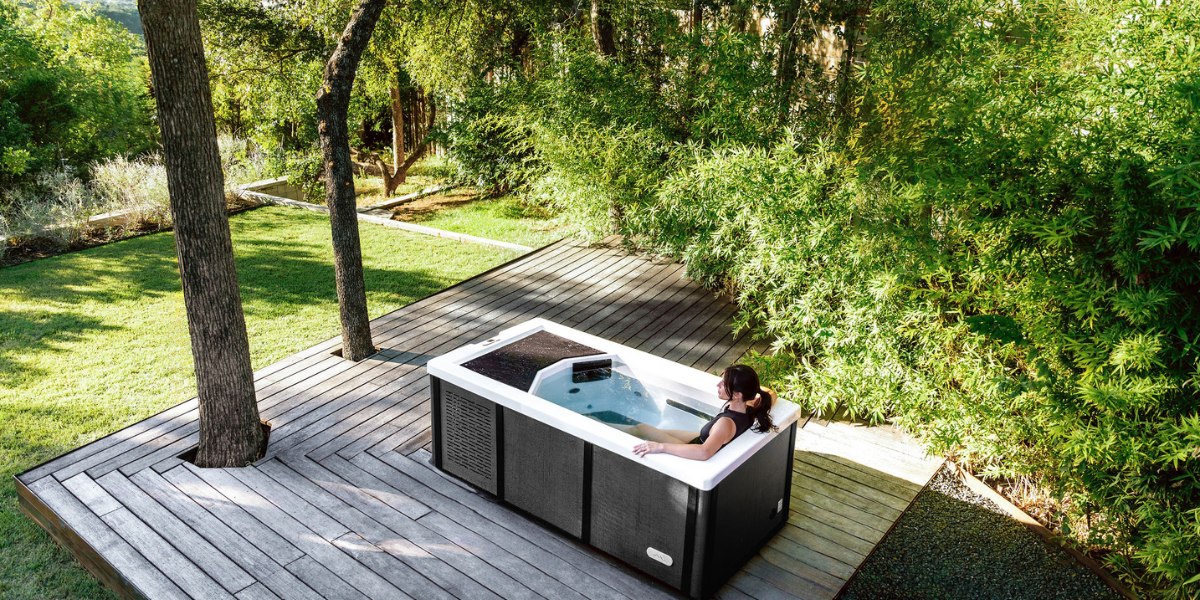
Recovery that works in executive life is friction-free. Set your cold plunge or ice bath up where you actually move—patio near the kitchen door, pool-house corner you pass every morning, or terrace with a short, non-slip approach. Keep the space calm and intentional: use soft lighting at dawn/dusk, place a bench and towel hook within reach, and route cables cleanly so it feels like part of the home rather than a project. Choose a default temperature and stick with it for a while. The fewer decisions you make at the edge of a busy day, the more sessions happen.
Breathing is the anchor. Before you step in, take three slow breaths with a longer exhale than inhale. In the water, keep the breath quiet and the shoulders down. Take a deliberate breath before reaching for the towel. Those small cues turn cold from a shock into a practice—and that practice shows up later when pressure spikes.
What To Expect In The First Month
Don’t chase extremes. Start conservatively and watch for simple signals:
- The first deep-work block after a morning plunge holds its focus a little better.
- Transitions are cleaner—training into meetings, meetings into family time.
- More “green days” on your plan—workouts done at the quality you intended.
You’re looking for trend, not heroics: a steadier week and fewer “maybe tomorrow” decisions.
Safety and Common Sense
If you’re pregnant, have cardiovascular concerns, or have a cold sensitivity condition, consult with a clinician first. Don’t plunge alone, especially in icy water. Treat the path like a wet room: provide textured footing, maintain clear sightlines, and observe simple etiquette (time/temperature, wipe-down) that is posted discreetly for family and guests.
Choosing a Setup That Actually Gets Used
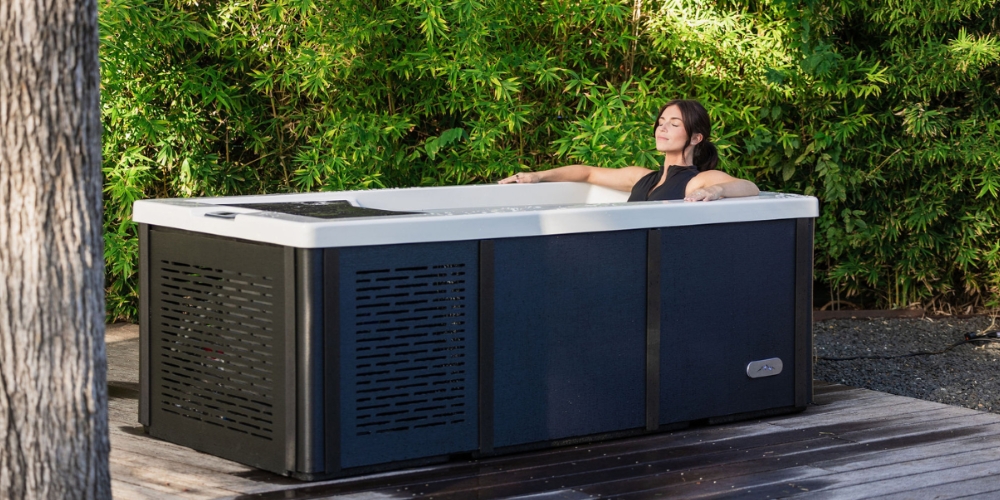
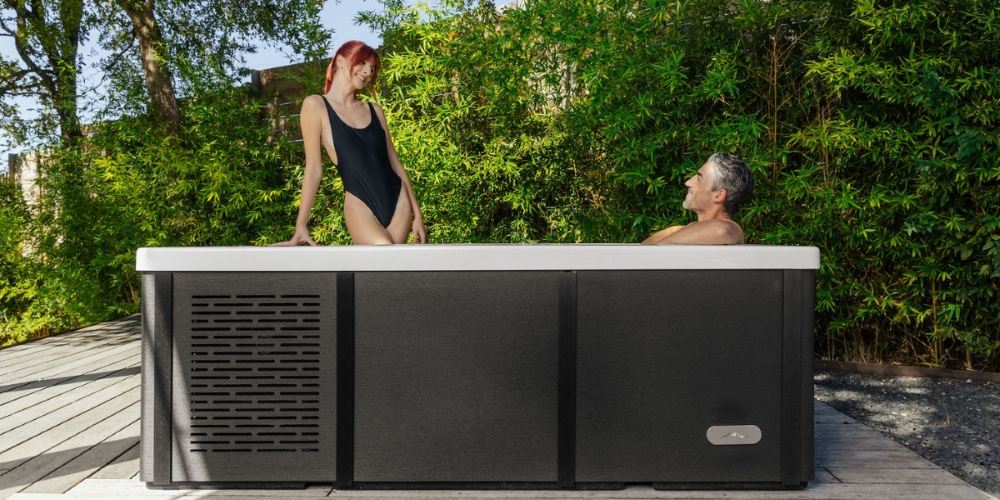
Hardware doesn’t replace habit, but practical design helps habit survive busy quarters. A plug-and-play unit that maintains temperature, runs quietly, and sits neatly in a designated space eliminates the coordination costs that disrupt routines. The Resolute Pro from Austin-based Icebound Essentials is an example purpose-built for home life: it cools to 40°F and heats to 104°F, so the ritual can be enjoyed year-round without a remodel—and it reads like a considered object rather than a piece of gym equipment.
The Executive Takeaway
Treat cold the way endurance athletes treat recovery days: as scheduled infrastructure for performance. Install it once. Make it beautiful. Keep it simple. Then let tomorrow’s output be defended without stealing today’s minutes. When recovery becomes a KPI, weeks keep their shape—training holds, meetings land, and the margin you fought to carve out actually pays dividends.
Disclaimer: The information provided in this article is for general informational purposes only. The effectiveness of Recovery Wraps may vary from person to person, and the results discussed are based on user reports and individual experiences. This article does not intend to offer medical advice or substitute for professional healthcare consultation. Always consult with a healthcare provider before starting any new wellness or recovery regimen, especially if you have pre-existing conditions or concerns.