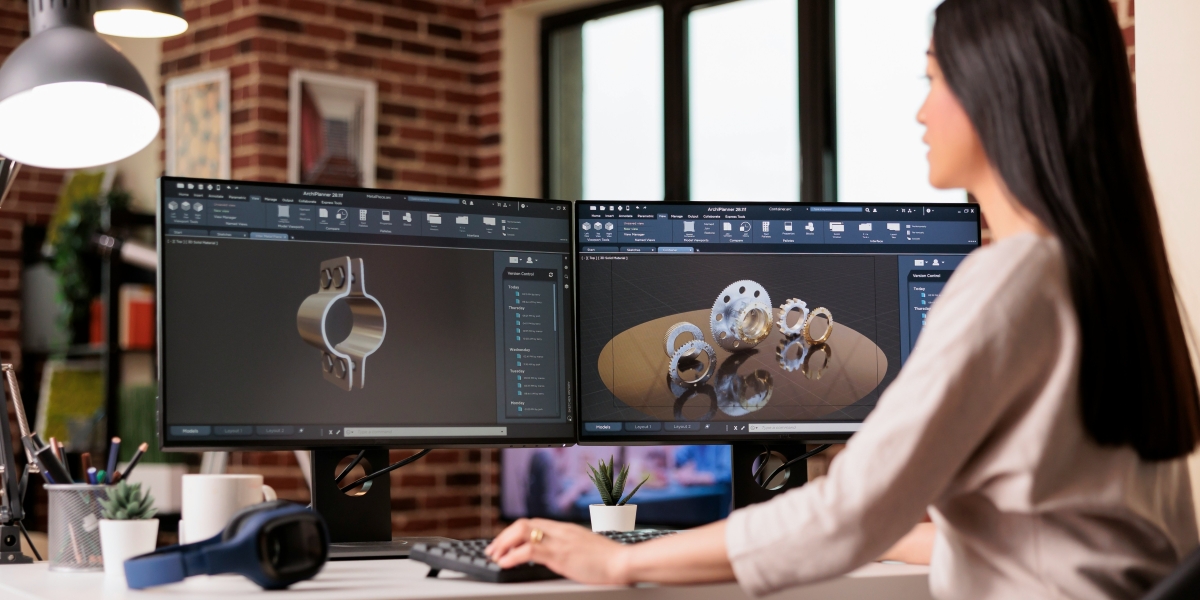


It is much more enjoyable to use products that feel like they were designed especially to suit you. Personalization of product design refers to customising apps, websites, or other products to the style, habits, and preferences of individual users.
That is why your favorite app is aware of the videos you like, or a shopping platform displays items that interest you. When it comes to personal products, individuals tend to stay with them, use them more, and even come back.
This blog examines the process of personalization, its importance, and simple means of making your product more personal to all users.
Why Personalization Matters
Personalization is not simply a trend; it transforms the way customers behave and perceive products. Even minor adjustments that align with user preferences can make a significant difference in interaction, satisfaction, and loyalty. That is why most brands depend on a specialist product design agency for the most satisfactory results possible.
Better Engagement
Products that display what people like win more time to explore, click and even interact. Individual experiences make the users stick and feel that apps or websites are fun and relevant.
Stronger Loyalty
Customers tend to revert to brands that seem tailor-made. Personalization fosters trust, enhances experiences, and encourages people to choose your brand over competitors.
Higher Retention
Individualized experiences make users feel appreciated. They will tend to continue using the product regularly, which will decrease churn, and your community will remain alive and healthy.
Increased Sales
Products that imply what users desire receive more purchases. Personalization helps to increase conversion because it presents the correct options to the right individuals at the right moment.
Better Feedback
Once users feel that the product understands them, they are more likely to post comments, reviews, and advice. Individual experiences prompt candid feedback that can be used to further improve the product.
Types of Personalization in Product Design
Behavioral personalization
Products follow their users’ behavior, such as clicks, searches, or time spent, to present content or suggestions that align with their behavior patterns, ensuring experiences remain relevant and engaging for each individual.
Demographic personalization
Products are tailored to suit user preferences, such as age, location, or gender. Providing content relevant to a user’s group assists in engagement, which is more qualitative and less challenging to experience.
Contextual personalization
Websites and applications are customized based on the situation at hand, e.g., the device type, time of day, or weather conditions. This ensures that content is effective and relevant to the user regardless of the situation.
User-Driven
Users can choose themes, layouts, or selections. Making their own choices empowers users to have a more personal and enjoyable experience.
Predictive personalization
Products predict what one wants next according to previous preferences. That is why recommendations are smarter, time-saving, and surprise the users with what they are likely to like.
How Personalization Boosts Engagement
More Interaction
Users scroll and browse longer when they see content that is relevant to them. Individuality allows people to feel comfortable using applications and websites without feeling bored or lost.
Higher Focus
Personalised experiences allow users to receive what matters within minutes. Presenting relevant options reduces frustration, keeps high-priority tasks at the top of mind, and makes every interaction smooth and seamless.
Faster Decisions
Personalization drives the user to what he/she like or need. Feeling relevant leads to people making decisions more quickly, which enhances satisfaction and generates a smooth, pleasant experience each time.
Stronger Connection
The products that cater to a preference or habit give the feeling of familiarity. People feel appreciated and comprehended, which builds confidence and gets them to dedicate more time to browsing. As highlighted in McKinsey’s State of the Consumer report, customer behaviour shaped by established habits continues to influence how long users stay engaged.
Fun Experience
The use of the product is enjoyable with custom recommendations, themes, or surprises. When users enjoy their interactions, they are more likely to get involved in other interactions and continue to return for more fun.
Personalization and User Loyalty
Repeat Visits
Customised characteristics make the users visit regularly. When content or experiences are personalised, people form habits, visit the app more often, and remain attached to the product in the long run.
Trust Building
When a product can remember preferences, it makes users feel understood. This trust will ensure that they are confident that the product is concerned about their needs, thereby fostering loyalty and long-lasting relationships.
Emotional Bond
Personalised experience brings about a sense of belonging and value. Users develop an understanding of being appreciated and special, hence they tend to support, recommend, and remain loyal to the product.
Brand Advocacy
There are happy, loyal users who post their good experiences. Customization enables ordinary users to promote the product to a friend, family member, or social group with minimal effort.
Consistent Usage
Adaptable products retain interest over a duration of time. Individual experiences make users return, explore features, and utilize the product to meet their day-to-day needs.
Conclusion
Product individualization makes ordinary products memorable. By making experiences relevant to the needs and preferences of users, it improves engagement, loyalty, and connection, resulting in long-term relationships that attract people back.