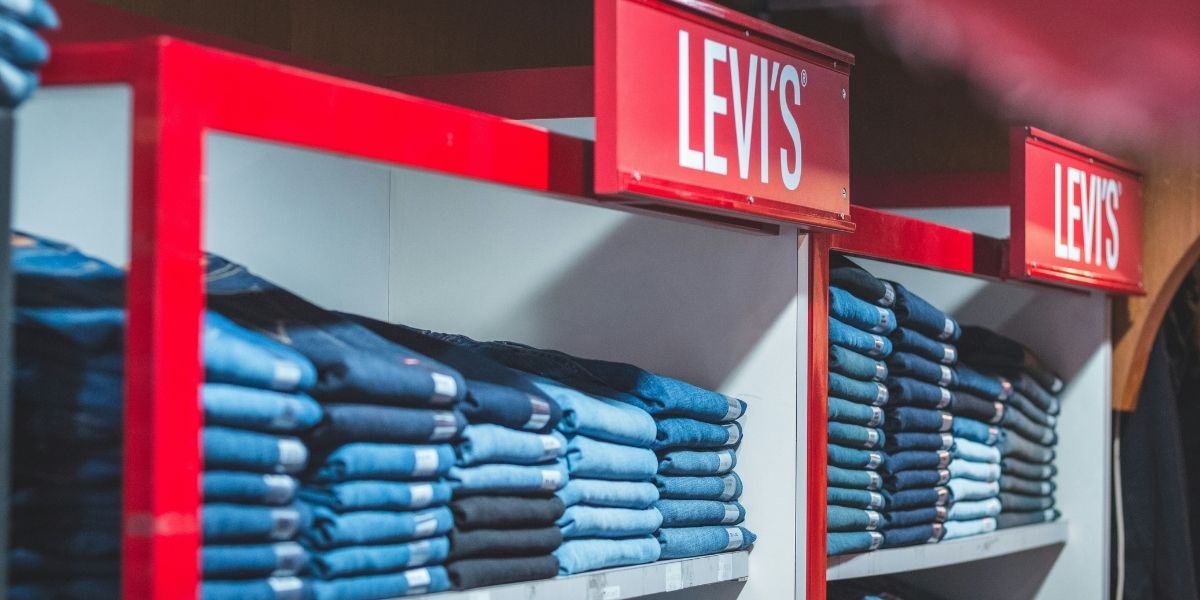

Levi Strauss & Co., the iconic 173-year-old denim brand, is undergoing a significant transformation under the leadership of CEO Michelle Gass. With a focus on shifting the company towards a direct-to-consumer (DTC) model, Levi Strauss has successfully navigated the challenges of the modern retail landscape. The company’s Q1 2026 earnings reveal the early fruits of this transition, with revenue surging 14%, reaching $1.74 billion. This growth signifies the successful execution of a strategic pivot away from reliance on wholesale channels, positioning Levi’s as a “lifestyle brand” rather than merely a maker of blue jeans.
Driving Growth with a DTC-First Model
The primary change under Gass’ leadership is the transition toward a DTC-first strategy. This shift has led Levi Strauss to generate over 52% of its total revenue directly from consumers through its online store and over 1,200 company-operated retail locations. By cutting out middlemen in traditional retail, Levi Strauss is able to exert greater control over pricing, inventory, and customer experience. This shift not only bolstered revenue growth in Q1 but also allowed the company to raise its full-year earnings forecast for 2026. This approach reflects a broader vision for Levi’s to evolve from a denim manufacturer into a comprehensive apparel lifestyle brand.
Expanding Beyond Denim: Levi Strauss’ Non-Bottoms Strategy
In line with its new strategic direction, Levi Strauss is expanding its product portfolio beyond its classic denim offerings. This includes a growing emphasis on “Non-Bottoms,” such as tops, outerwear, and accessories. Historically known for its 501® jeans, the company now aims to create a “head-to-toe” look that appeals to a broader consumer base. In Q1 2026, this diversification contributed to double-digit growth in the tops and outerwear categories, supporting Levi’s goal of becoming more relevant in women’s fashion. The company has set its sights on increasing the women’s category share from 40% to 50% of total sales by the end of the decade.
Levi Strauss’ acquisition of Beyond Yoga® in 2021 has been a key part of this strategy, offering a foothold in the growing luxury activewear sector. In Q1 2026, Beyond Yoga’s sales rose by 23%, reflecting the brand’s successful integration and its potential to drive further growth in the fitness and wellness space.
Leveraging Global Sourcing to Mitigate Tariff Risks
In today’s volatile trade environment, Levi Strauss has adopted a highly diversified supply chain to minimize the impact of shifting import duties. The company has significantly reduced its reliance on Chinese manufacturing, with less than 1% of goods sold in the United States now coming from China. This strategic move allows Levi Strauss to respond quickly to global trade fluctuations, sourcing from 28 countries worldwide. Despite inflationary pressures and rising costs, Levi’s maintained a strong gross margin of nearly 62% in Q1 2026, aided by a combination of targeted price increases and cost control measures. This operational efficiency has been a key factor in the company’s continued profitability.
Harmit Singh, Levi Strauss’ outgoing Chief Financial and Growth Officer, praised the company’s ability to turn revenue growth into consistent profits. He noted that Levi’s “operating rigor” has allowed it to weather global inflationary pressures while remaining agile in its response to shifting trade dynamics.
A Digital-First Renaissance and E-Commerce Expansion
Levi Strauss is also making substantial strides in its digital transformation, with e-commerce revenue growing 21% in Q1 2026. The company is using data-driven insights to better manage its inventory, ensuring that the right products are available in the right locations. This shift to a digital-first model has been complemented by the launch of “Home Turf” pop-up shops, where local culture is infused with high-tech customization services. These physical touchpoints enable Levi’s to offer personalized denim experiences, further deepening its connection with consumers.
Additionally, Levi Strauss’ DTC model has strengthened its ability to respond to market trends in real-time. The company’s membership program, Red Tab, now includes millions of active members, providing a steady stream of consumer data that informs product development and marketing strategies. By streamlining operations with its “Project Fuel” efficiency initiative, Levi Strauss is focusing resources on global brand-building campaigns, enabling quicker product launches and enhanced customer engagement.
Expanding International Reach: Cultural and Market-Specific Growth
As part of its ongoing transformation, Levi Strauss is leveraging its strong brand equity in key international markets, particularly in Asia and Europe. In Q1 2026, sales in Asia grew by 13%, while Europe saw a more significant increase of 24%. The company has successfully adapted its global strategy to cater to regional market demands, leveraging localized brand ambassadors and expanding its retail presence in urban hubs across these regions. By aligning its global message with local cultural nuances, Levi Strauss has managed to strengthen its position in growth markets without diluting its core identity.
One notable example of this strategy is Levi’s highly successful “Behind Every Original” campaign, which featured collaborations with high-profile musicians and entertainment icons. This partnership strategy has resonated particularly well in markets like India and Southeast Asia, where Levi Strauss continues to see outsized growth, aided by its expanding brick-and-mortar footprint.