
By: Tom White
Investors–whether they’re in tech, healthcare, or the arts–make mistakes. They misjudge a situation, overlook important details, or put their faith in the wrong people. However, sometimes missteps pave the way to successful outcomes.
Warren Buffett, arguably the world’s biggest investor, purchased Berkshire Hathaway, a failing textile company, out of spite. Many of his peers and industry experts said this move was a costly mistake. Warren even said that it was the ‘dumbest stock he ever bought.’ However, this error ultimately transformed Berkshire Hathaway into a holding company for several successful assets, becoming the foundation of his multi-billion dollar empire.
Similar stories can be found among investors across a range of industries. The common thread: turning setbacks into opportunities is one of the stepping stones to success.
In Dan’s case, his first big mistake happened during the financial crisis. It was a peak moment for real estate investors to acquire assets at low prices, and he was able to purchase some multi-family properties quickly, mainly in tough areas out of foreclosure and with serious challenges: physical distress, vacancy, or worse, tenants who weren’t paying rent and weren’t interested in starting. Dan had expected market conditions to improve quickly, increasing asset values and bailing him out, but they did not. He had to roll up his sleeves and solve the problems, first focusing on the biggest ones and building a team around him.
The problems took years to solve and required more capital than he expected. Luck wasn’t always on his side either–a historic ice storm left many of his properties without power or heat that first winter. It got worse that year when the city he was working in increased its water/sewer rates by a large margin after decades of local government negligence that finally caught up with them in the form of a fine from the DEP and a mandate to improve their infrastructure.
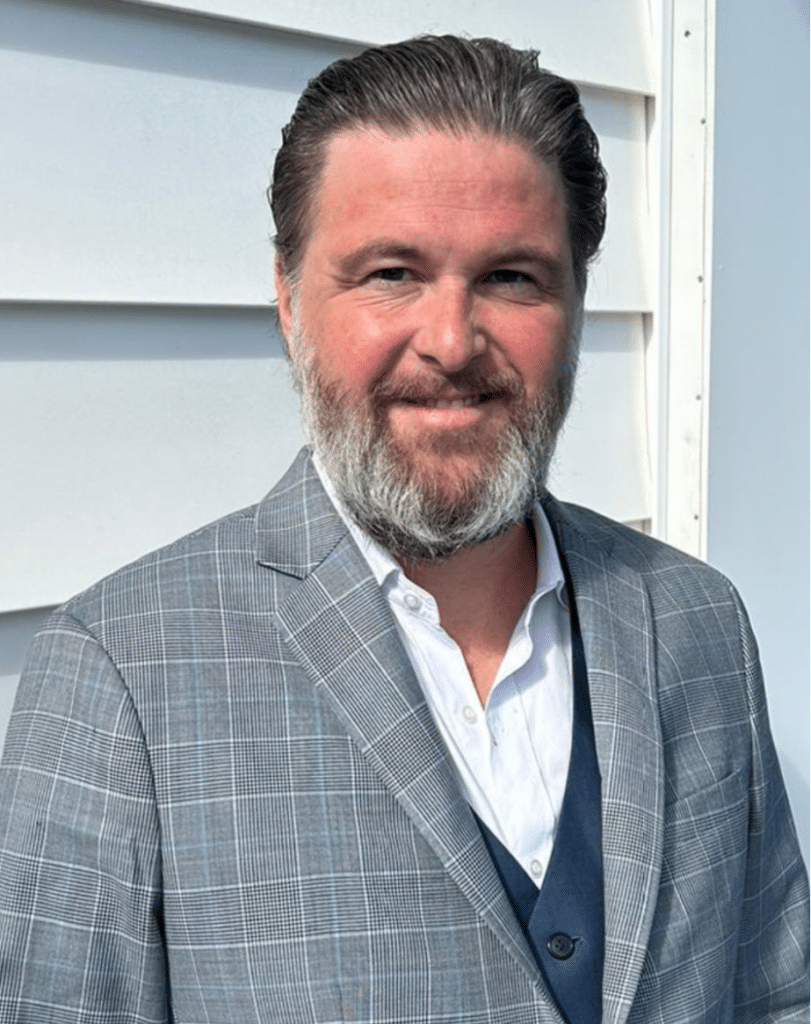
In the early days, every tenant had Dan’s cell phone number, and he would get calls at all hours of the day and night. One of his tenants invited him to his wedding and later asked if Dan could lend him some money for the honeymoon. The experience illustrated an important lesson about boundaries. “I don’t give my cell phone to tenants anymore,” Dan says. “Building strong bonds with your tenants is important, but you never want to give the wrong impression.”
These humbling experiences could have persuaded Dan to throw in the towel. Still, the young investor–determined to work for himself instead of continuing to work for others–embraced the difficulty. He worked hard to find reliable contractors who could offer quality repairs. He asked for help when he needed it. He treated everyone with respect. He communicated with his investors. Over time, doing the small things right and being consistently transparent, he earned the trust and goodwill needed to navigate challenges when things went wrong. These experiences taught him valuable lessons early in his career—when everything was on the line, but the dollars were relatively small.
Still, it was an expensive education: Dan had to work for free on many properties for years but ultimately could sell the non-performing properties and care for his investors to ensure they always made money. He learned about property and construction management along the way and grew his company to manage over a thousand units eventually. His construction arm has overseen the development of dozens of properties, including converting several vacant mills into residential properties that have won historic preservation awards.
“The path to where I am today was not straightforward. But when aspiring investors ask if I would do it all over again, I find it difficult to say no,” Dan explains. Following the rulebook isn’t normal for investors, entrepreneurs, or inventors. They create value by staying in touch with trends and nurturing an opportunity into a stable asset, whether it’s a company, property, or product. That kind of success doesn’t come easily. It takes hard work, dedication, and self-discipline, but meeting and overcoming challenges is essential for learning and growth.
Dan had read everything he could get his hands on before buying his first property, but there was no substitute for getting started. Along the way, Dan turned to mentors for help, experienced landlords with small portfolios, and larger investors where he could find them. He didn’t just want to improve at handling challenges specific to his immediate circumstances. He aimed to broaden his perspective and take a big-picture look at where he could excel. Dan did the opposite of what many of his mentors and peers suggested, rejecting that it was easier and safer to keep doing the same thing that had worked previously. By 2018, the multifamily asset class had appreciated significantly, and Dan started selling more properties. He looked at different asset classes to redeploy the capital, where he could again buy low and sell high.
While some of his multifamily investing experience carried over to other asset classes, he recognized that venturing into new territory would inevitably involve mistakes. To minimize risks, he focused on securing exceptionally strong deals to mitigate potential challenges stemming from inexperience, especially on a first venture into a new arena. Dan’s commitment to learning helped him cultivate the right mindset for tapping into a new market.
Call it stubbornness or innate business acumen, but Dan’s willingness to step outside his comfort zone brought him to senior housing. This sometimes overlooked asset class can deliver large returns and positively impact communities. Despite various challenges, including increasing labor costs, incentive misalignment with operators, and COVID-19, senior housing assets remain in demand, considering the sheer size of the aging baby boomer generation seeking quality care. With seniors poised to represent 23% of the nation by 2054, the demographics support the case for senior housing.
Dan seeks to acquire properties below replacement cost due to previous mismanagement and turn them around while capitalizing on strong demographics and over eight consecutive quarters of positive occupancy growth in the sector. Improving and maintaining a high quality of care is a priority throughout the process.
“Starting from scratch in a new asset class could have been a repeat of some of my past failures, but it turned out to be a driver for some of my highly profitable deals,” Dan says. “My peers keep looking at the multifamily deals that made them successful in the past, but the market has changed. I have been willing to try something new and go all-in when I saw that it could work well for my investors and create a positive impact for the communities we were acquiring.”
In his professional and personal life, Dan enjoys continually learning. However, this isn’t his notable characteristic as a prominent real estate investor and developer. What makes him stand out is his ability to build teams with aligned ethics and passion. At his development firm, Cougar Capital Management, he has demonstrated how instrumental the right people with the right outlook can be to creating value.
When coupled with his excellent management and people skills, Dan and his team have made solving problems and generating ROI look easy, and it’s all thanks to his open-minded and versatile approach.
Investors, entrepreneurs, and other free-thinking visionaries shouldn’t be judged by their mistakes. What separates them from the competition is how they move forward from challenges.
Published by Charlie N.