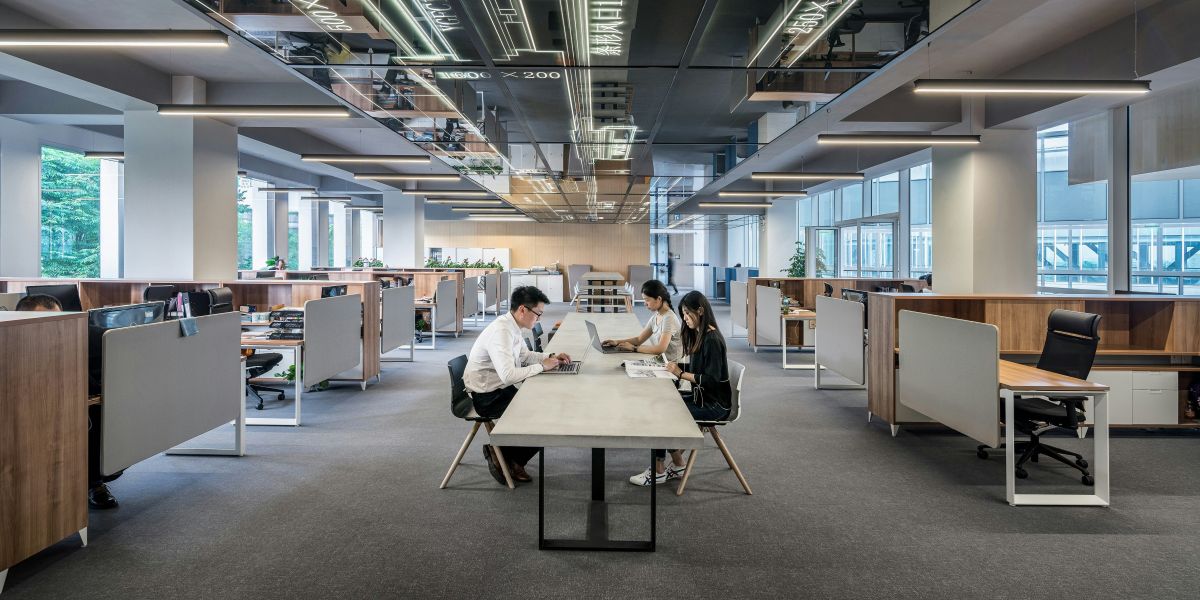


If you’ve ever walked into a modern office or a fancy building and thought, “Wow, this place looks super clean and organized,” there’s a reason for that. It’s not just about the paint or the lights. A lot of that clean, simple look comes from things you don’t necessarily see—like hidden wiring, tucked-away access points, and smooth floor designs that don’t have bulky lids or panels sticking out.
But even though these elements are hidden, they still need to be safe and accessible. That’s where smart building features like recessed hatch covers come into play. They help keep everything looking good while still making sure people can access the systems they need—like plumbing, data cables, or heating—without having to disrupt the space too much.
What Makes a Building Feel Safe and Simple
Think about what might happen if you had to fix a water pipe, replace a broken wire, or get under the floor to check something important. If the building wasn’t planned well, it might mean lifting heavy panels, blocking walkways, or even ripping up carpet. That would slow things down—and could be risky too.
The more practical way to handle this is by hiding access in plain sight. Recessed access hatch covers are one of those solutions. They sit flush with the floor, so they don’t stick up or create a tripping hazard. But when someone needs to access them, they’re right there—easy to open, safe to use, and designed to blend in.
Some of the great designs, like recessed access hatch covers, come with slip-resistant finishes and custom covers that match the surrounding floor. This means you can keep everything safe and neat without compromising the overall appearance of the building.
Other Features That Help Without Taking Up Space
Recessed hatches aren’t the only quiet contributors in buildings. There are many other features that work similarly—keeping spaces open while still serving important functions behind the scenes.
Flush-Mounted Electrical Panels
Instead of bulky metal boxes hanging off walls, modern buildings often use panels that sit inside the wall. These can still be locked and secured, but they don’t interrupt the flow of the room or hallway.
Pop-Up Power Outlets
You might see these in conference rooms or libraries. They remain hidden when not in use and pop up when needed. This eliminates cords scattered around the space, reducing the risk of tripping over plugs.
Drop Ceilings With Hidden Systems
Drop ceilings aren’t just for aesthetic purposes—they also house important systems like air ducts, wiring, and sprinklers. They’re designed to be easily removable, allowing maintenance to access them as needed.
Underfloor Service Channels
In some buildings, wiring and pipes don’t go through walls—they run under the floor in service channels. With hatch covers placed in strategic locations, technicians can access them quickly without disrupting the surrounding area.
Wall-Mounted Folding Equipment
Think about ladders that fold up into the wall or seats that pull out when needed. These are especially useful in places like mechanical rooms, gyms, or service corridors where space is limited but safety is still essential.
Why This Stuff Matters in Real Life
Let’s say you’re in a hospital, hotel, or even a shopping center. If someone needs to reach a fire system, fix a broken connection, or deal with a burst pipe, they need access fast. If that access is blocked or difficult to find, it could lead to delays or create safety concerns.
At the same time, these locations cannot afford to have equipment left out or taking up unnecessary space. Hallways need to remain clear, and rooms must stay safe for everyone. This is where recessed covers and discreet access points are particularly useful. They allow workers to do their jobs efficiently while minimizing disruption for others.
Even if you’re just a visitor in a building, you benefit from this. It means fewer tripping hazards, cleaner spaces, and better safety if something goes wrong.
What Makes a Good Access Cover?
Not all access covers are created equal. The ideal ones are designed for strength and safety. This means they can hold weight (sometimes a lot), resist slipping even when wet, and stay hidden until they’re needed.
Some covers are made to match tile, concrete, or carpet. Others are completely sealed to keep out water and dirt. In high-end spaces like museums or office towers, covers are often custom-fitted so they don’t distract from the design.
Then there’s security. Good recessed covers can be locked or bolted down, which helps to reduce the risk of tampering or accidents.
Buildings That Get It Right
Some of the smartest buildings in the world are full of these kinds of features. Airports use recessed covers to ensure travelers don’t trip over things in busy walkways. Hospitals have fold-out ladders and hidden panels so staff can reach vents, pipes, or cables without having to clear out a whole room. Data centers use underfloor systems with carefully placed hatch covers to protect high-speed connections while maintaining a clean, efficient space.
Even schools and libraries use recessed designs to make sure nothing sticks out and causes a problem. It’s all about balance—making sure things stay safe and accessible, while keeping everything looking neat and functional.
Why It’s Not Just About Looks
Some people might assume that recessed features are just for design purposes, but they actually play a critical role in making the building work more effectively. A space that’s easy to navigate, clean, and maintain without unnecessary delays is safer for everyone—from maintenance workers to everyday visitors.
When you plan things like access covers, folding ladders, or service panels ahead of time, you reduce the likelihood of problems before they arise. There’s no need to block off entire hallways or drag out heavy equipment just to reach a switch or fix a leak.
And the best part? Most people never even notice. That’s the goal—making sure it all works seamlessly in the background, so the building feels smooth, safe, and user-friendly.
Final Thoughts
The next time you walk through a building and think, “Wow, this place feels really nice,” you might be unknowingly appreciating the hidden features that make it work so well. From smart hatch covers to concealed wiring panels, all those quiet components are doing a lot of work to keep things safe, smooth, and running as they should.
If buildings didn’t have recessed access, pop-up power, or flush-mounted gear, they might feel more cluttered—and a bit less safe. That’s why keeping spaces clear doesn’t mean ignoring safety. It just means thinking ahead about how things are designed.