

By: Maya Williams
Climate change is one of the most pressing challenges facing the world today. As global temperatures continue to rise, the consequences—such as extreme weather events, rising sea levels, and ecosystem disruption—are becoming more severe. A primary driver of these changes is the increase in carbon emissions, which result from human activities like burning fossil fuels, industrial production, and deforestation.
Carbon emissions trap heat in the atmosphere, accelerating global warming. To combat this, immediate and coordinated action is necessary. This article explores key strategies to lower carbon emissions globally, including transitioning to renewable energy, improving energy efficiency, adopting carbon pricing mechanisms, and investing in innovative technologies like carbon capture. By addressing these areas, the global community can work together to mitigate climate change and create a more sustainable future.
Bruce Shi, a Stanford Ph.D. in Management Science and Engineering, leads a nonprofit fund focused on transitioning traditional energy systems in emerging Asian economies to renewable alternatives. Based in Hong Kong, Shi champions carbon emission reduction mechanisms and carbon trading frameworks. His work strategically addresses climate change through sustainable energy solutions.
The Global Carbon Emission Crisis
Global carbon emissions have steadily increased over the past century, with 2023 witnessing approximately 36.8 billion metric tons of CO₂ released into the atmosphere, primarily driven by human activities. Since the Industrial Revolution, carbon emissions have grown exponentially, contributing to a 1.1°C rise in global temperatures since pre-industrial times. The energy sector remains the largest contributor, accounting for around 73% of global emissions, with fossil fuel combustion for electricity, heat, and transportation leading the charge. Industrial activities, including manufacturing and construction, contribute significantly, while agriculture is responsible for methane and nitrous oxide emissions from livestock and fertilizers.
These emissions have far-reaching environmental and socio-economic consequences. Rising temperatures are fueling more frequent and severe natural disasters, such as hurricanes, floods, and wildfires, displacing millions of people and causing billions in damages. Melting polar ice and glaciers are contributing to sea level rise, threatening coastal communities and ecosystems. Additionally, shifts in weather patterns are affecting food security, water availability, and health outcomes. The urgency to address carbon emissions is clear: without swift, comprehensive action, the world will face increasingly dire consequences, especially for vulnerable populations and economies.
“The rise in global carbon emissions poses an escalating threat to both ecosystems and economies, making it imperative for nations to act swiftly and collaboratively to mitigate these impacts,” says Bruce Shi.
Key Strategies to Lower Carbon Emissions
Transition to Renewable Energy
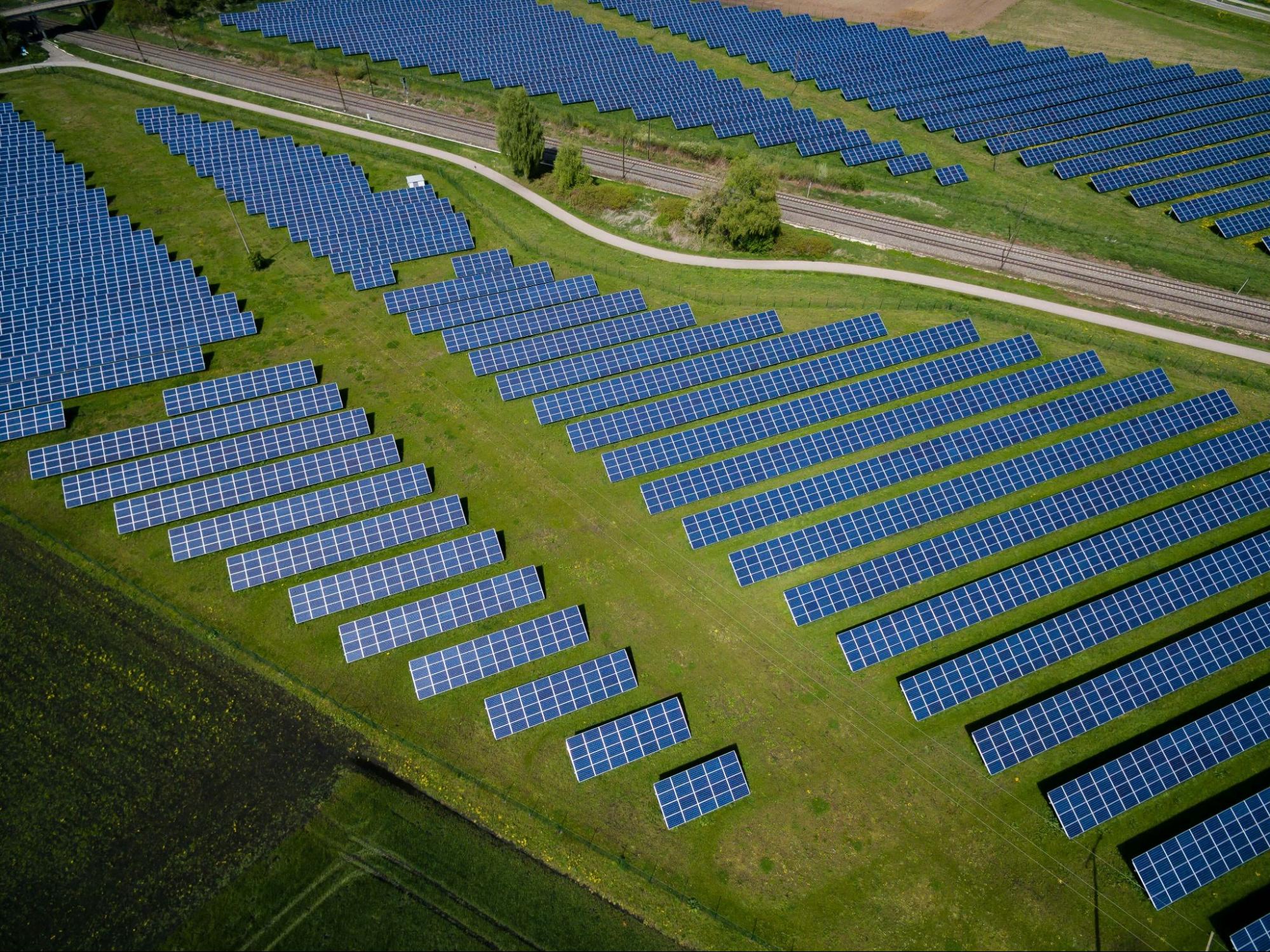
One of the most critical strategies for reducing carbon emissions is transitioning away from fossil fuels, which are the primary source of global emissions. Fossil fuel combustion releases vast amounts of CO₂ into the atmosphere, driving climate change. In contrast, renewable energy sources such as solar, wind, hydro, geothermal, and bioenergy offer clean, sustainable alternatives. These energy sources generate power without emitting carbon, making them essential for reducing the global carbon footprint.
Countries like Germany and Sweden are leading the way in renewable energy adoption. Germany, through its Energiewende policy, has dramatically increased its share of renewable energy, with 47% of its electricity generated from renewables in 2022. Sweden has gone even further, aiming to be entirely fossil-fuel-free by 2040, with over 54% of its energy already coming from renewable sources. These examples showcase how strong policy frameworks and investments can accelerate the renewable transition.
However, scaling renewable energy globally presents challenges. Developing infrastructure for renewables can be costly and time-consuming, particularly in regions where fossil fuels are still cheaper. Energy storage and grid integration are additional technical challenges that must be addressed to ensure consistent power supply. Yet, the opportunities are vast: the declining cost of renewable technologies, increased efficiency, and potential job creation make the transition feasible. With continued international cooperation and innovation, renewable energy can play a pivotal role in lowering global carbon emissions.
Energy Efficiency and Conservation
Energy efficiency plays a crucial role in reducing carbon footprints by minimizing the amount of energy required to power industries, homes, and transportation. By optimizing energy use, we can reduce demand for fossil fuels and lower overall emissions. Energy-saving technologies, such as smart thermostats, LED lighting, and high-efficiency appliances, are being widely adopted in homes and businesses. In industries, advanced machinery and automation systems can significantly cut energy consumption, while the transportation sector benefits from electric vehicles (EVs) and fuel-efficient engines.
Retrofitting buildings—by upgrading insulation, windows, and HVAC systems—can drastically improve energy efficiency in older infrastructure. These improvements not only reduce carbon emissions but also lower energy bills and enhance occupant comfort. Likewise, upgrading public infrastructure, such as modernizing power grids, is essential to support efficient energy use on a larger scale.
At the individual level, behavioral changes like reducing energy consumption during peak hours, turning off unused devices, and opting for public transport or carpooling can further contribute to conservation efforts. Encouraging energy-efficient habits and promoting sustainable lifestyles, combined with the widespread adoption of energy-saving technologies, can collectively have a significant impact on lowering global carbon emissions.
Carbon Pricing and Regulation
Carbon pricing mechanisms, such as carbon taxes and cap-and-trade systems, are powerful tools to incentivize the reduction of emissions. A carbon tax directly charges emitters a fee for each ton of CO₂ released, motivating businesses and individuals to adopt cleaner technologies and practices. In contrast, cap-and-trade systems set a limit (cap) on emissions and allow companies to buy or sell emission allowances, providing financial rewards for reducing emissions below their caps.
These pricing strategies encourage companies to lower their carbon output by making emissions reduction economically advantageous. Canada and the European Union (EU) have successfully implemented carbon pricing mechanisms. Canada’s carbon tax, introduced in 2019, covers a wide range of sectors, while the EU’s Emissions Trading System (ETS) has led to significant reductions in industrial emissions since its launch in 2005.
The potential for international agreements on carbon pricing is high, as countries collaborate on global climate goals. Aligning carbon pricing systems across borders could lead to more consistent emissions reductions and greater cooperation in the fight against climate change.
Innovative Technologies and Carbon Capture
Carbon capture and storage (CCS) technology offers a promising solution to reduce emissions by capturing CO₂ from industrial processes and storing it underground or repurposing it for other uses. CCS can be combined with bioenergy (BECCS), which captures CO₂ during biomass energy production, effectively creating negative emissions. Direct air capture is another method that removes CO₂ directly from the atmosphere, though it is still in its early stages of development.
Countries like Norway and companies like Occidental Petroleum are investing heavily in CCS projects. Norway’s Northern Lights Project is a notable example, aiming to capture and store millions of tons of CO₂ beneath the North Sea.
Despite its promise, carbon capture faces limitations, such as high costs and the need for significant infrastructure investment. Additionally, the long-term viability of CO₂ storage is still being researched. However, with ongoing advancements and growing support from both governments and the private sector, carbon removal technologies could play a key role in achieving net-zero emissions in the future.
“Transitioning to renewable energy is not just about environmental sustainability,” says Bruce Shi. “It’s an economic opportunity that can drive growth, create jobs, and ensure long-term energy security,”

Challenges and Future Outlook
Reducing global carbon emissions faces several barriers, including **political, economic, and technological** challenges. Politically, there is often a lack of consensus on climate policies, as countries prioritize short-term economic growth over long-term sustainability. Economically, the costs of transitioning to low-carbon infrastructure can be prohibitive for many nations, especially developing ones. Technologically, while advancements in renewable energy, carbon capture, and storage are promising, many solutions remain expensive or require significant scaling to meet global demand.
The consequences of inaction could be catastrophic, leading to more severe climate impacts such as widespread displacement, food and water shortages, and exacerbation of global inequalities. However, innovations are on the horizon: green hydrogen, improved battery storage, and advancements in electric vehicles all offer potential for further reducing emissions. Additionally, policy frameworks like carbon pricing and international agreements can drive collective action.
To achieve meaningful reductions, continued research, investment, and policy support are essential. Governments must incentivize clean technologies, while the private sector should invest in sustainable practices. Without such efforts, the window to limit global warming to 1.5°C is rapidly closing.
“In order to meet global climate goals, it’s essential that governments and businesses align on investing in sustainable technologies and prioritizing long-term solutions over short-term gains,” says Bruce Shi.
Lowering global carbon emissions is an urgent and complex challenge, but one that can be addressed through strategic actions. From transitioning to renewable energy and improving energy efficiency to implementing carbon pricing and investing in innovative technologies, there are numerous paths forward. The consequences of inaction are grave, but with global collaboration, sustained research, and policy commitment, it is possible to mitigate the effects of climate change.
Governments, businesses, and individuals all have a role to play in reducing emissions. It is through collective responsibility and bold action that we can create a sustainable future for generations to come. Now is the time to act decisively to protect the planet and its ecosystems.
Published by: Khy Talara