By: Sarah Summer
Corporate leaders are rethinking how and where they gather their teams. With hybrid work still the norm, executives are increasingly saying they want retreats that feel purposeful and bring employees closer together. Hotels and resorts once dominated the off-site playbook, but more companies are moving in a different direction: luxury estates that combine the amenities of a resort with the intimacy of a private home.
One company at the center of this shift is Drip Castle Estate Collection, a portfolio of four large-scale estates in Florida, Vermont, and New Mexico. Each property has been designed for groups of 20 to 30 people, offering the space, privacy, and concierge services that make them stand out as destinations for corporate retreats.
The shift isn’t about luxury for luxury’s sake. It’s about how the environment shapes the work. “Sea Oats provides my team and I with the perfect balance of collaboration and retreat,” said Marty Franchi, CEO of NinjaTrader, who has brought his staff to the Florida property. “The property combines a resort-like atmosphere with the privacy we need to conduct focused strategy sessions. Its thoughtful layout—with ample private rooms and bathrooms—makes it ideal for extended stays, while the endless activities—kayaking, paddle boarding, fishing, the beach, sports court, and gym—create natural opportunities for connection outside of the meeting room. Add in the concierge team’s creativity and ability to make anything happen, and Sea Oats becomes a truly special place to bond with my team, spark creativity, and enjoy an island escape from the office.”
That sentiment captures why more executives are leaving hotels behind. Traditional venues scatter employees across multiple rooms and hallways. Once the meetings are over, people drift apart—some to their rooms, others to the bar, a few leaving altogether. The very purpose of the retreat—connection—can get lost.
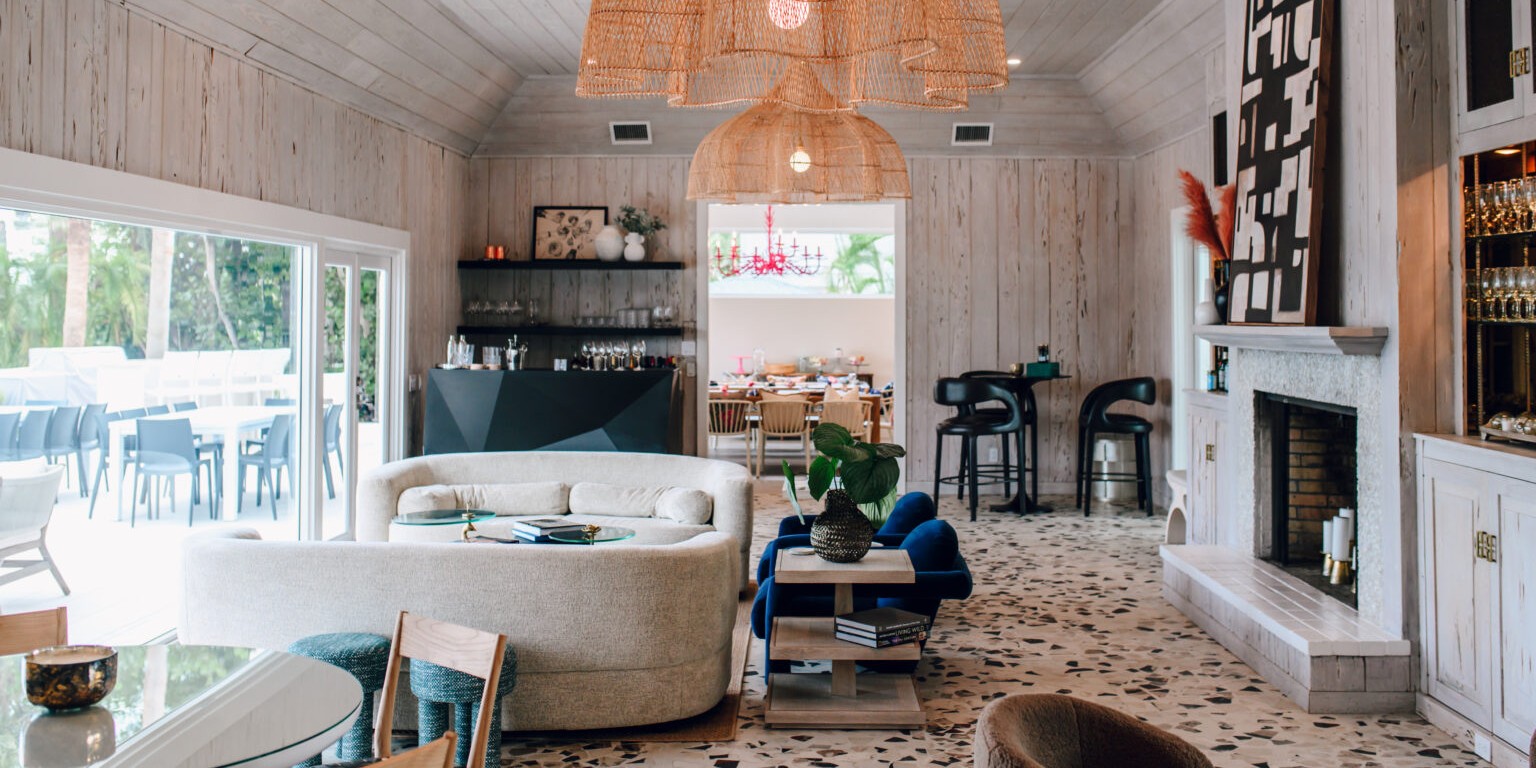
Drip Castle takes the opposite approach. Every bedroom has its own bathroom, so privacy isn’t sacrificed, but the group remains under one roof. Kitchens are designed for large gatherings and professional chefs, meaning meals become shared experiences rather than logistical headaches. Outdoor areas are equipped for activities ranging from team yoga sessions to informal brainstorming around a firepit.
A Setting That Matches How Work Has Changed
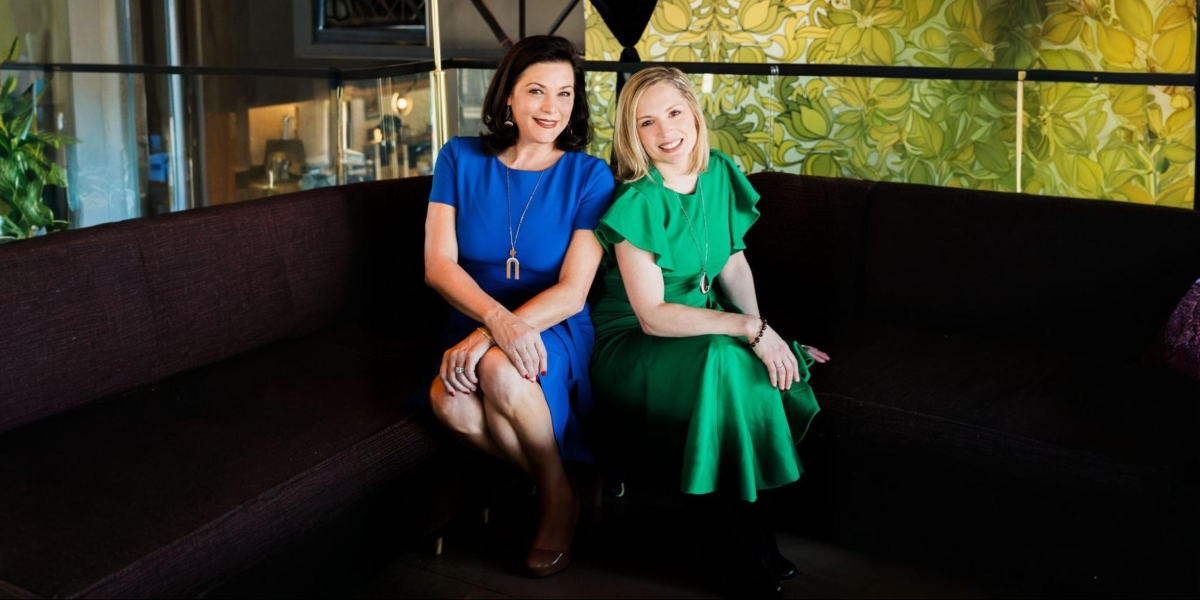
For Michelle Barry, co-founder of Drip Castle, the demand reflects a broader cultural shift. “We are seeing an increase in corporate-based groups trying to stay out of the hotel and bar scene, really looking for true connections between their teams,” she explained. “Companies want their people to build trust, not just sit in another formal meeting room. And they don’t want to ask staff to spend weekends traveling. Today’s employees expect that their work commitments are Monday to Friday, and when they do go somewhere, they want to be outside, not stuck indoors.”
This distinction matters. For many executives, sending teams to Europe or long-haul destinations isn’t practical anymore. Between passport requirements, health limitations for some employees, and the cost of losing personal time to travel, the equation has changed. U.S.-based estates—reachable within a few hours’ drive from major markets—offer a middle ground: the feel of a true getaway without the complications.
Captiva Island in Florida, for example, is within driving distance of multiple metro areas. Stowe, Vermont, draws companies from Boston and New York. Taos, New Mexico, offers Southwest accessibility along with sweeping mountain views. Each location balances seclusion with convenience—critical for corporate groups that want retreat without disruption.
The appeal of estates isn’t just about location. It’s about what they allow teams to do differently.
Shared experiences, not forced networking. Instead of scattering across hotel corridors, employees spend time together in one environment. Cooking together in a large kitchen, playing pickleball after meetings, or sitting by a fire creates organic moments of bonding.
No default to the bar. Many hotel off-sites end with drinks in the lobby or hotel bar. For some employees, that’s a barrier—whether due to personal choice, cultural background, or simply a preference for healthier ways to connect. At estates, alternatives are built in: paddle boarding, tennis, yoga, or a group hike.
Space for both focus and rest. Large estates provide multiple breakout areas—lounges, terraces, and quiet corners—where small groups can work without interruption. At the same time, executives can step into a different rhythm: golf in the morning, strategy in the afternoon, dinner together in the evening.
Arrival that feels seamless. As Michelle Barry described: “When a corporate team arrives, food and drinks and everything they need is already stocked, their rooms are labeled, their chef is booked, events and tours are planned. When they arrive, they can relax knowing everything is taken care of, and get right to accomplishing their goals for their time together.”
The Collection includes three incredible locations:
Sea Oats Luxury Estate (Captiva Island, Florida). A beachfront property with private dock, pool, gym, sports court, and direct access to the Gulf. Designed for executive groups who want both privacy and resort-level amenities.
Sea Palms Estate (Captiva Island, Florida). Another waterfront retreat with expansive gathering areas, indoor and outdoor dining spaces, and concierge services that can arrange boating, fishing, or wellness activities.
Meadowstone Manor (Stowe, Vermont). A 14-bedroom estate set on 30 acres, featuring a pub, yoga room, gym, tennis courts, seasonal pool, and direct access to mountain sports. Ideal for winter strategy sessions or summer off-sites.
Gem Hacienda (Taos, New Mexico). Adobe architecture, fireplaces, mountain views, and proximity to skiing and the arts district. The layout combines authentic Southwest style with the privacy executives want.
Together, the four properties redefine what an off-site can look like. They blend the scale and amenities of a five-star resort with the intimacy of a private residence, creating an atmosphere where work and leisure flow together.
For CEOs and business owners, the calculus is changing. Employee expectations are different. Time is more precious. And the traditional model of conferences in ballrooms or international junkets doesn’t always deliver what leaders hope for.
Corporate estates offer a new option: luxury environments that don’t just host a retreat but actively support its purpose. “Instead of another boardroom, you get a place where teams collaborate naturally,” said Greg Barry. “And that makes all the difference.”
For executives deciding how to bring their people together in 2025, the Drip Castle model is already proving its value. It’s not about more meetings. It’s about creating the right environment for strategy, trust, and connection.
Find them at http://www.dripcastle.com