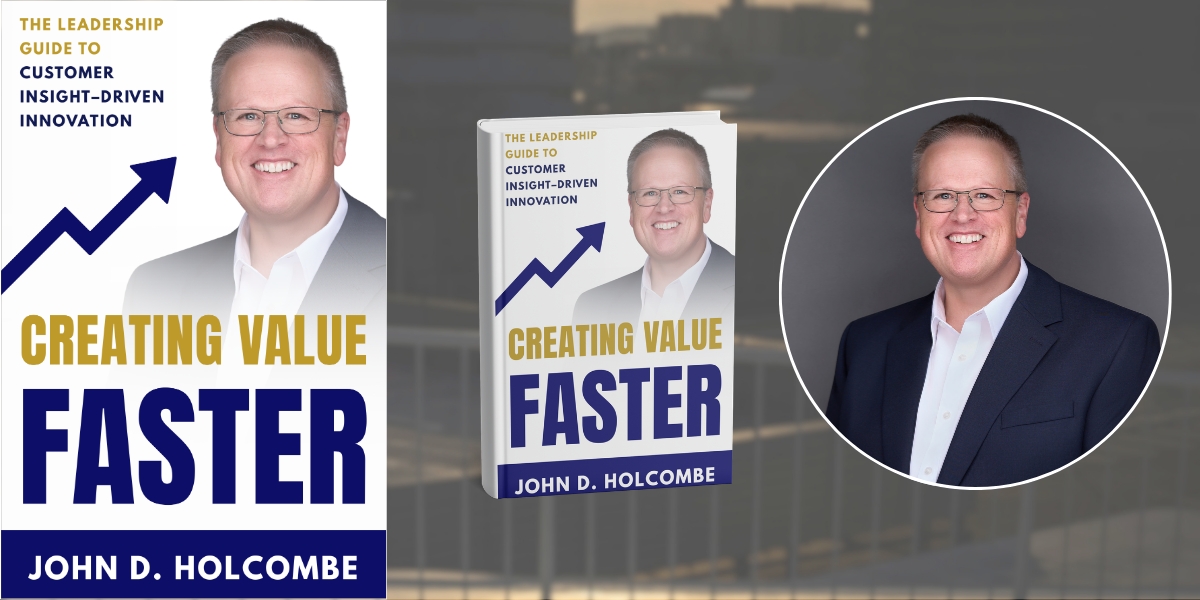


Property management is undergoing a significant change, driven by advances in technology and a growing emphasis on sustainability and tenant relationships. The integration of smart technologies and green building practices is not only enhancing operational efficiencies but also improving tenant satisfaction and retention. Additionally, financial management tools are evolving to provide more detailed insights into property performance, enabling more strategic decision-making. However, these innovations present challenges, including resistance from stakeholders and the need for new skills in an increasingly complex digital landscape, as discussed by Ian Ferguson President & CEO of Middleton Meyers.
Essentials of Property Management
Property management is the cornerstone of ensuring that real estate investments achieve their full potential. It involves a wide range of activities, from maintenance and tenant relations to budget management and compliance with legal regulations. The industry has traditionally relied on a hands-on approach, but recent shifts towards more dynamic methods highlight the need for a more in-depth understanding and application of effective management practices.
As the real estate landscape evolves, the importance of integrating innovative approaches into property management becomes increasingly evident. This shift is not just about adopting new technologies but also about understanding market trends and tenant expectations, which dictate property management. Managers are now looking beyond conventional methods to include more holistic and efficient practices that cater to the needs of tenants and property owners alike.
In light of these changes, property managers are revisiting the notions that have governed the field for decades. This reevaluation is not about discarding proven methods but rather enhancing them with new insights and technologies that can drive better performance and satisfaction across all aspects of property management. The goal is to ensure sustainability and growth in a highly competitive market, making innovation a critical component of modern property management.
Technological and Sustainable Innovations
The integration of cutting-edge technologies such as artificial intelligence, machine learning, and the Internet of Things (IoT) is revolutionizing property management. These technologies streamline operations, enhance building security, and optimize energy use, which not only reduces costs but also significantly improves the efficiency of property management processes. The utilization of smart systems that automate everything from heating and lighting to security offers both property managers and tenants a more intuitive and responsive living and working environment.
Sustainability also plays a pivotal role in the modernization of property management. The shift towards green building practices and certifications like LEED (Leadership in Energy and Environmental Design) reflects a growing awareness of environmental impact. Property managers are now prioritizing energy efficiency, waste reduction, and resource conservation, which not only adheres to regulatory demands but also attracts eco-conscious tenants. This dual focus on technology and sustainability is setting new standards in the property management sector, making buildings more appealing to a broader demographic while promoting long-term cost savings and environmental stewardship.
Improving Tenant Relationships
Tenant management has changed with the advent of digital communication tools. These innovations facilitate more streamlined and effective interactions between tenants and property managers. Utilizing platforms that allow for real-time feedback and 24/7 communication channels, property managers are able to address concerns and queries more swiftly, enhancing tenant satisfaction and retention.
Moreover, the emphasis on building stable relationships with tenants is mirrored in the strategic deployment of technologies that personalize tenant experiences. From customized property recommendations to automated maintenance requests, technology is being leveraged not only to meet but exceed tenant expectations. Such enhancements in tenant relationship management are proving to be fundamental in retaining tenants and maintaining a competitive edge in the real estate market.
Advancements in Financial Management
Financial management within property management has been significantly enhanced by the introduction of innovative tools and software designed to streamline budgeting and forecasting. These advancements provide property managers with the ability to make more informed decisions, leveraging real-time data to optimize profitability and operational efficiency. The use of sophisticated analytics tools allows for a deeper understanding of cash flow patterns, expense allocation, and revenue opportunities, ensuring financial stability and growth.
Overcoming Challenges
Adopting new technologies in property management comes with its challenges. Resistance to change is a common barrier, as it often requires shifting long-established workflows and training staff in new systems. Overcoming these obstacles involves a strategic approach that includes thorough training, clear communication of the benefits, and gradual integration of new technologies. Highlighting success stories where technology has significantly improved efficiency and profitability can also help in gaining buy-in from skeptical stakeholders.
Looking Ahead: The Future of Property Management
The industry is poised for further changes. The continuous development of new technology and changing tenant expectations are driving property managers to adapt and innovate. In the future, we will likely see an increased reliance on artificial intelligence and machine learning to predict tenant needs and building maintenance issues before they arise. Additionally, the role of property managers is expanding to include more strategic decision-making and tenant engagement, requiring a new set of skills focused on technology, customer service, and sustainability.
Published By: Aize Perez