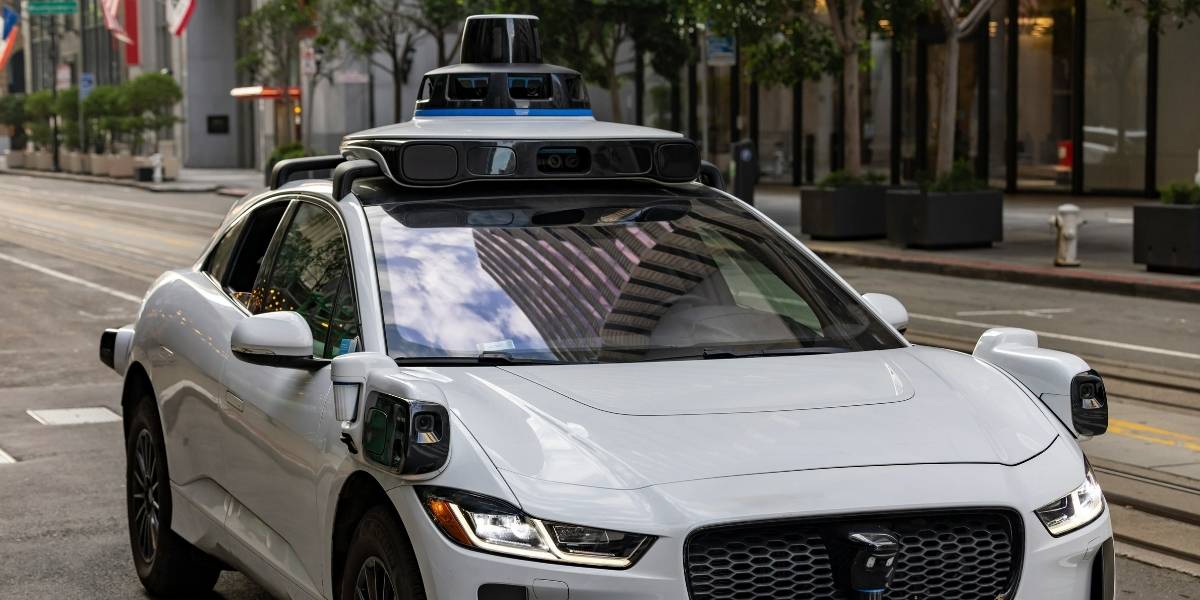

Uber CEO Dara Khosrowshahi has long been vocal about his vision for the future of mobility, particularly regarding autonomous vehicles. In a recent interview, Khosrowshahi painted a picture of robot‑operated rides being a significant part of Uber’s operations in the next 15 to 20 years. He emphasized that the path to a fully autonomous fleet is clear, though it will take time to overcome several hurdles—technology, regulation, and infrastructure.
Currently, Uber has ongoing pilot programs testing autonomous rides in select cities, including San Francisco, Phoenix, and Atlanta. These cities have seen some level of integration between autonomous vehicles and Uber’s platform, though the deployment remains in its early stages. Still, as these programs expand, more users will become familiar with robotaxi services, signaling a broader trend that could eventually define the future of urban transportation.
Technological Advancements for Autonomous Fleets
To achieve the level of mass adoption Khosrowshahi envisions, Uber will rely heavily on technological advancements. Autonomous vehicles require highly sophisticated AI systems, detailed mapping data, robust traffic management protocols, and top-tier safety features. The integration of these technologies will need to be seamless, ensuring passengers’ safety and a smooth overall experience.
However, Khosrowshahi has stressed that the path to widespread robotaxi use is not just a matter of technological progress; regulatory frameworks are essential. Governments around the world must establish clear rules to govern the use of autonomous vehicles, from testing to full-scale operations. These frameworks will be critical in determining how quickly Uber and other companies can scale autonomous fleets, ensuring that technology progresses without sacrificing safety or public trust.
The speed of innovation in the autonomous vehicle sector will depend on the speed of regulatory approval. Regulations will need to evolve to keep pace with rapid advances in AI and vehicle safety systems. For Uber, this means navigating not only technical challenges but also working with local and international regulators to align with government policies.
Impact on the Workforce and Employment Opportunities
With the widespread adoption of autonomous vehicles, there will inevitably be shifts in the workforce that Uber relies on. As of now, Uber employs millions of contractors worldwide, most of whom are human drivers. However, Khosrowshahi is aware that the rise of automation could reduce Uber’s reliance on human drivers over time.
This potential disruption brings up a crucial point: what will happen to Uber’s drivers as robot‑operated fleets take over a more significant portion of the service? While Khosrowshahi acknowledges that automation will likely replace some driving jobs, he also points to new opportunities in areas like fleet management, customer service, and vehicle maintenance. As the industry evolves, there will be a need for new roles that support autonomous operations. This includes ensuring that autonomous vehicles remain well-maintained and compliant with safety regulations.
The shift towards automation also requires companies like Uber to rethink workforce planning. As more autonomous vehicles become part of the platform, Uber must prepare its existing workforce for new roles, possibly retraining drivers for jobs in non-driving fields within the organization. This is an ongoing challenge that Uber will need to address in the coming years.
The Competitive Landscape: Uber, Waymo, and Tesla
Uber’s push for autonomous rides is part of a competitive landscape that includes other prominent players in the autonomous vehicle space, such as Waymo and Tesla. Waymo, a subsidiary of Alphabet (Google’s parent company), has already begun offering fully operational robotaxi services in several U.S. cities. Waymo has been ahead of the game, with several years of testing and deployment already under its belt. It has established itself as a leader in autonomous vehicle technology, offering commercial robotaxi services in places like Phoenix and San Francisco.
Meanwhile, Tesla, led by Elon Musk, continues to develop its Full Self‑Driving (FSD) technology. Although Tesla’s system still requires a human driver for oversight in certain scenarios, the company is making strides in autonomous driving. Tesla’s FSD system is already in use on some of the company’s vehicles, albeit with limited capabilities and regulatory restrictions.
Uber’s strategy, however, is one of collaboration. Khosrowshahi emphasized that Uber is not focused on building its own autonomous vehicle technology but instead on integrating technology from other companies. By forming partnerships with autonomous vehicle developers and manufacturers, Uber can offer these services through its platform, optimizing the way people interact with autonomous vehicles.
Rather than competing head-to-head with the likes of Waymo and Tesla, Uber’s approach seems to be about leveraging its existing platform to integrate autonomous fleets into the broader ecosystem. This collaborative approach could give Uber a competitive advantage by using its well-established infrastructure to make robotaxi services widely accessible to users in urban areas.
Challenges in the Shift to Autonomous Transportation
While technological advancements and partnerships are critical to the success of Uber’s autonomous vehicle strategy, there are other substantial challenges that the company must overcome. Khosrowshahi’s projection also underscores the broader executive challenge of integrating disruptive innovation into an already complex business model.
The transition to autonomous vehicles is not only a technological shift but a major governance issue as well. Uber, along with its competitors, will need to ensure that its autonomous vehicle initiatives align with corporate values, legal requirements, and societal expectations. From managing safety standards to dealing with issues of public trust and regulatory approval, Uber’s leadership will need to navigate this evolving space carefully.
Furthermore, Khosrowshahi’s remarks signal that autonomous vehicles will not only disrupt the transportation industry but also force companies to rethink their corporate structures. The future of mobility will demand companies like Uber to balance innovation with a clear sense of responsibility. This includes being transparent with consumers about the safety and reliability of autonomous vehicles and preparing for the broader social impact of this change.