

Glass has become a prominent element in modern office design, valued for its ability to enhance both aesthetics and functionality. It brings transparency, openness, and light into the workspace, promoting collaboration, reducing stress, and fostering a more positive working environment. While traditional solid walls can make an office feel isolated and enclosed, glass helps break down these barriers, creating a more dynamic, connected, and engaging environment for employees.
This article explores how glass can be used effectively in an office setting to create a positive working environment, with a special focus on the benefits of good interior design using natural light, improved visibility, sound control, and the aesthetic potential of curved glass.
Maximizing Natural Light
One of the most significant benefits of using glass in office spaces is its ability to maximize natural light. Research has shown that natural light is critical to employee well-being and productivity. Exposure to daylight has been linked to improved mood, reduced stress, and enhanced cognitive performance, making it an essential factor in creating a positive working environment.
By incorporating large glass windows and interior glass partitions, office designers can ensure that natural light reaches as many areas of the office as possible. Open-plan layouts with glass walls allow light to flow freely through the workspace, minimizing the need for artificial lighting and creating a bright, welcoming atmosphere. Offices with access to ample natural light tend to feel more open and less claustrophobic, which can enhance employee satisfaction and reduce absenteeism.
Furthermore, glass partitions offer an excellent way to divide space without blocking the flow of light. This means that individual offices or meeting rooms can maintain privacy while still benefiting from the natural light present in the larger office environment.
Encouraging Transparency and Collaboration
Using glass walls and partitions in an office promotes transparency, literally and figuratively. Employees can see their colleagues, which fosters a sense of openness and accountability. A transparent office culture, in turn, can encourage collaboration and communication, as employees are more likely to engage with one another when there are fewer physical barriers.
Collaboration is often key to innovation and problem-solving in modern, team-oriented workplaces. Glass-walled meeting rooms, for example, create spaces where teams can gather while maintaining visual connectivity with the rest of the office. This openness breaks down hierarchical structures and encourages interaction across different levels of the organization, contributing to a more cohesive and inclusive work environment.
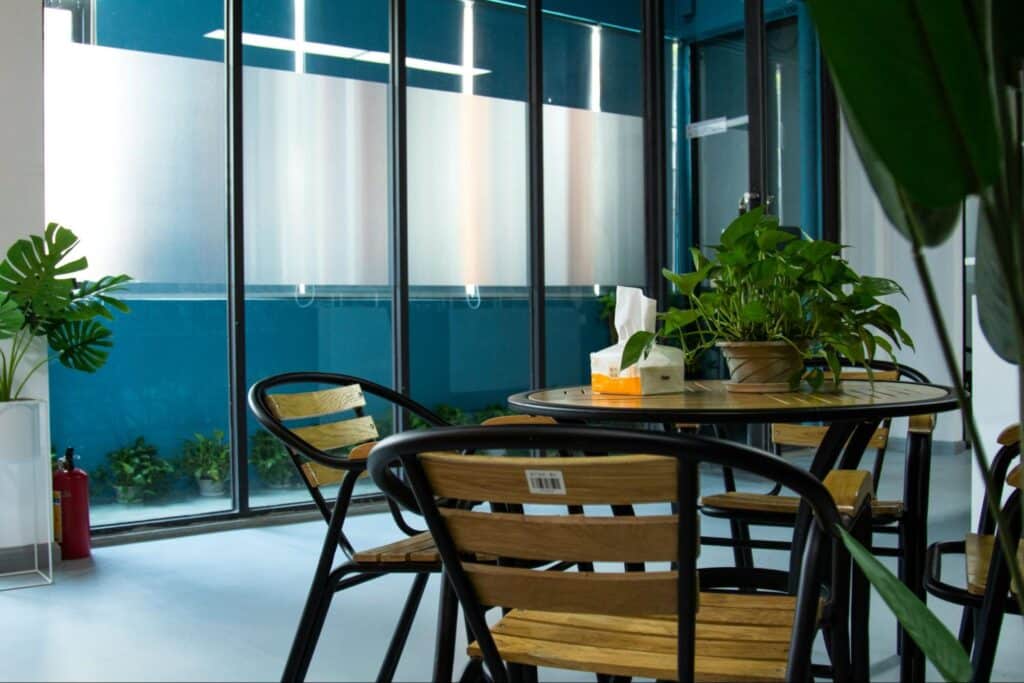
While glass promotes openness, it’s important to balance transparency with privacy when needed. Frosted or tinted glass can provide privacy for sensitive meetings or personal workspaces without entirely eliminating the benefits of natural light or creating a feeling of isolation. This balance helps maintain a positive working atmosphere while respecting employees’ needs for confidentiality and concentration.
Acoustic Control
One challenge that often arises in open-plan offices is acoustic control. While glass helps create an open, collaborative environment, it can also allow sound to travel more easily than solid walls. However, modern advancements in glass technology, such as acoustic glass, provide solutions for controlling noise while still maintaining the benefits of transparency.
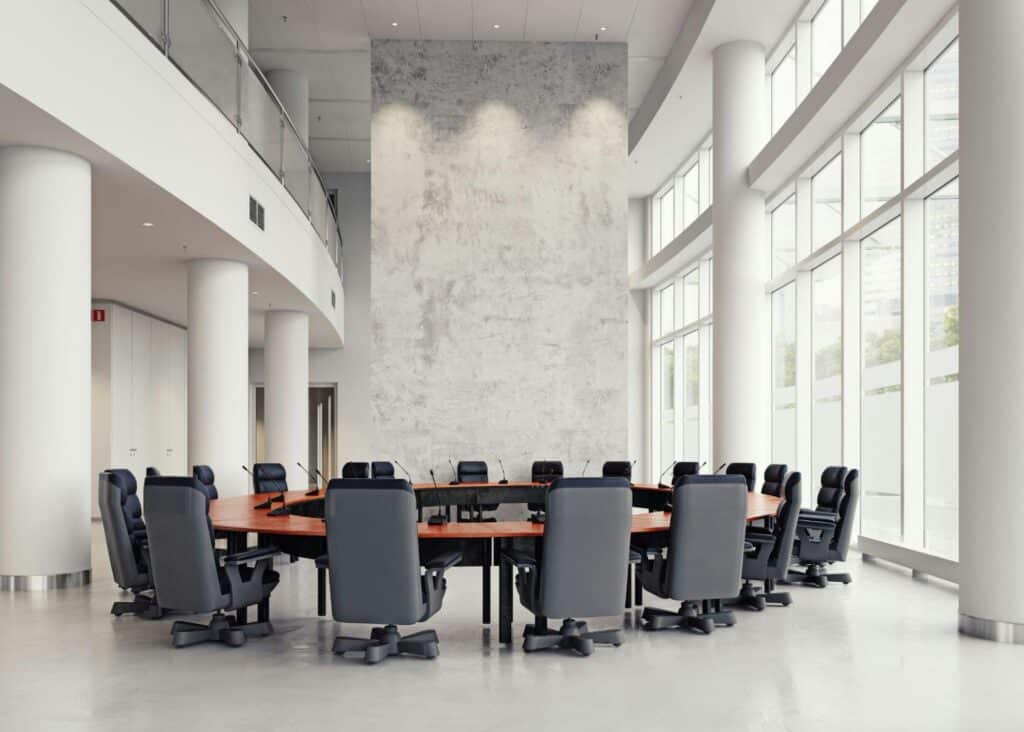
Acoustic glass is designed to reduce sound transmission, making it ideal for meeting rooms, phone booths, and other areas where noise control is critical. By installing glass walls with soundproofing capabilities, offices can create quiet, focused spaces without sacrificing the open, light-filled aesthetic that glass offers. This ensures that employees can concentrate and work productively in a positive environment without noise.
Using Curved Glass for Aesthetic and Functional Benefits
Curved glass is an innovative architectural element that can significantly enhance the design and functionality of an office. Unlike flat glass, curved glass adds a sense of fluidity and dynamism to the space, creating a more engaging and visually interesting environment. Its smooth, organic shapes can soften the rigidity of traditional office layouts, making the space feel more inviting and less formal.
One primary way curved glass can be used in an office is for partitions and walls. For instance, curved glass walls can help define meeting areas or lounges while maintaining a sense of openness and continuity with the rest of the office. The lack of sharp angles and corners in curved glass installations creates a more natural flow, which can help reduce visual clutter and make the office feel more spacious.
In addition to its aesthetic appeal, curved glass can contribute to a positive working environment by improving the distribution of natural light. The curved surfaces help scatter light more evenly, reducing harsh shadows and glare and improving employees’ visual comfort. Moreover, curved glass can be used to create panoramic views in office spaces with exterior windows, enhancing the connection between the interior workspace and the outdoor environment.
Functionally, curved glass can also improve the ergonomic flow of the office. In areas with high foot traffic, such as reception areas or common spaces, curved glass can help guide movement and prevent bottlenecks by encouraging a more fluid circulation of people. This promotes a sense of ease and harmony in the office layout, contributing to a positive work environment where employees feel comfortable and unrestricted.
Fostering a Modern and Sophisticated Aesthetic
The aesthetic impact of glass in an office environment cannot be overstated. Glass, particularly when used creatively with features like curved surfaces or custom finishes, imparts a sleek, modern look that can enhance the overall branding and culture of a business. A well-designed office with glass elements projects professionalism, innovation, and openness, values that resonate with employees, clients, and visitors alike.
Using glass as a primary design element also allows for flexibility in terms of customization. For example, offices can apply frosted glass designs with company logos, artistic patterns, or motivational quotes to create personalized spaces that reflect the company’s values and vision. These subtle touches contribute to a positive working environment by fostering a sense of identity and pride among employees.
Conclusion
Glass is a versatile and valuable material in office design that can be used to create a more positive working environment. Office spaces can become more dynamic, collaborative, and comfortable by maximizing natural light, promoting transparency, improving acoustic control, and incorporating aesthetically pleasing elements like curved glass. In the modern workplace, where employee well-being and productivity are main priorities, the thoughtful use of glass can help create an environment where employees feel inspired, engaged, and valued.
Published by: Martin De Juan