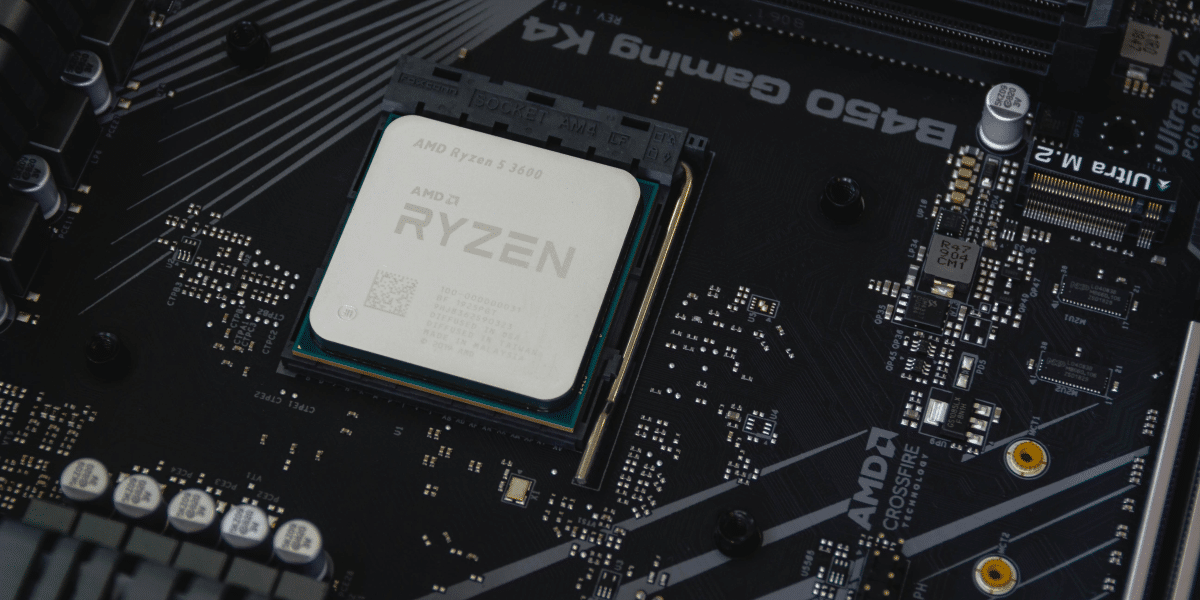


Designing Internet of Things (IoT) gear with traditional hollow-state computer parts would be nearly impossible. These devices have to consist of sensors installed in absolutely tiny packages, which would make it absolutely unfeasible to use anything else. Semiconductor engineering trends are driving the adoption of IoT devices so much that it wouldn’t be an exaggeration to say that they’re the primary force behind it as these four examples illustrate.
Helping Engineers to Redesign Digital Architectures
Microprocessor technicians have long promoted the idea that each new integrated circuit was going to be twice as powerful as the other. Known as Moore’s law, this held true for decades but it’s possible that society has reached a point where it’s impossible to make increasingly powerful chips without dramatically changing the way they’re built. Specialists can deploy semiconductors in radical new ways. These refactored architecture layouts usually include multiple packages stacked on top of each other to give IoT devices the same level of processing power a full-sized personal computer would have.
Establishing More Efficient Energy Infrastructure
Automotive IoT devices are becoming the primary way for solar charging station operators to know how much power their equipment needs at any given time. Devices designed to work with sophisticated vehicle energy infrastructure solutions collect data about the panels they’re attached to and send them back to a remote location. Both the sensors and the solar cells are made from semiconductors. Remote sensors tend to have 802.11n wireless networking chips, which are made entirely of transistors piled on top of each other to provide a sufficient number of digital logic circuits to interface with the publicly switched telephone network (PSTN) or other communications services. Photovoltaic gear is made from flat chips that generate current when they’re exposed to sunlight.
Putting Systems on a Single Chip
First-generation IoT devices were extremely limited in what they could do. Over the years, radio frequency engineers have found that they can bake a number of systems into the firmware of a single chip. One integrated circuit can now function as a tuner, a receiver, and a sensor without requiring any exterior components. Manufacturers can even order huge numbers of chips they can then turn into countless individual units.
Cutting Down on Electrical Noise
Computer industry pundits use the term noise to describe the buzzing sensation that interrupts digital signals moving through a circuit pathway. Semiconductor-driven filters can help to remove noise that would otherwise cause problems for communications circuits that are hooked up to the PSTN. Conventional ways of dealing with these problems require engineers to install Faraday cages and braided shields that can make IoT devices bulky. Transistorized filters are far lighter and therefore represent a much more convenient way of dealing with noise. Customers who plan on ordering huge numbers of IoT modules in bulk will appreciate this design choice since it should lead to lower costs.
In fact, semiconductor engineering advances are helping to bring down the cost of IoT devices across the entire market.
Published by: Martin De Juan