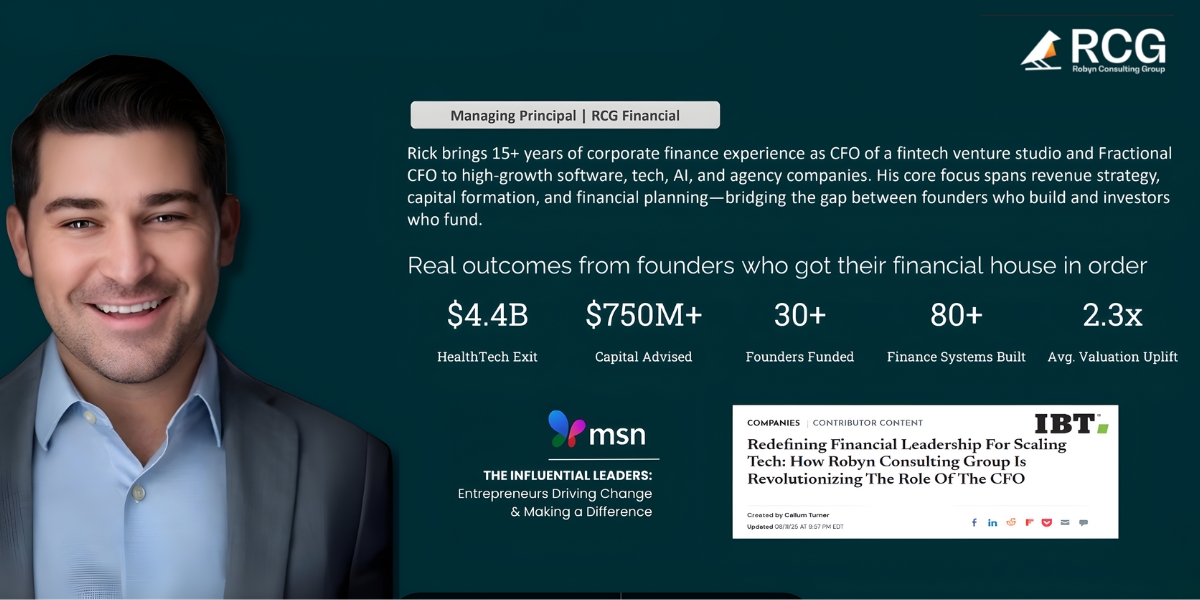


Scaling a technology platform from its inception to global prominence is a journey marked by innovation, discipline, and adaptability. Early-stage companies frequently face the challenge of maintaining focus while adapting to new regulatory environments and user expectations. As explained by Joe Greco, sustained growth depends not just on bold ideas but on the ability to execute a coherent strategy and remain agile in the face of uncertainty.
Lessons drawn from industry leaders indicate that a mix of cultural sensitivity, operational excellence, and clear leadership vision is vital. Managing complex logistics, recruiting local expertise, and responding to regulatory shifts underpin long-term achievements in international expansion. Ultimately, the capacity to anticipate market changes and foster a learning-oriented culture determines which platforms stand out on the global stage.
From Startup Roots to the International Stage
Most technology platforms start as small ventures, often focused on solving a specific problem or serving a niche audience. As these startups gain traction, they encounter the challenge of expanding beyond their initial market. Companies such as Slack and Shopify started with a narrow focus before methodically extending their reach to global users.
Growth at this stage brings new complexities, including adapting products for diverse markets and managing increased operational demands. The path from a local startup to a global operator is rarely linear, requiring careful planning and constant adjustment. Investors and founders alike must remain vigilant about emerging trends and consumer needs.
Strategic Discipline as a Foundation for Growth
Achieving sustainable growth demands more than ambition; it requires the discipline to stick to a well-defined plan. Strategic discipline means making deliberate choices about which opportunities to pursue and which to set aside, even when tempting detours arise. This focus helps prevent resource dilution and maintains momentum toward long-term pursuits.
Companies that excel at scaling often set clear priorities and communicate them consistently across teams. Take Atlassian’s approach, which emphasizes cross-departmental alignment to ensure every initiative supports the company’s vision. Such discipline not only streamlines decision-making but also builds trust within the organization, creating a backdrop in which calculated risks can drive expansion.
Effective Scaling in Action
Numerous firms have shown the impact of scaling strategies on global success. Airbnb charted a course from a modest home-sharing platform to a worldwide hospitality leader by adapting its offerings to suit local regulations and cultural norms. Similarly, Zoom leveraged its streamlined user experience and robust infrastructure to meet a sudden surge in global demand.
Core Strategies for International Expansion
Laying the groundwork for international expansion involves research, preparation, and cultural awareness. Companies that succeed in new territories often invest significant effort into understanding local consumer behavior and regulatory environments. Adapting products or services to resonate with regional preferences can make all the difference in building trust and gaining traction.
Selecting the right infrastructure and talent is equally vital. Successful organizations such as Spotify have shown how using local teams can accelerate adoption in unfamiliar markets. Carefully planned entry strategies, backed by strong logistics and customer support, position technology firms to thrive on the global stage.
Overcoming Obstacles
The journey to international scale brings a range of hurdles, from complex legal requirements to fierce local competition. When faced with new regulations or shifting political climates, agile companies quickly recalibrate their approach.
Payment provider Stripe has addressed diverse financial regulations by developing flexible systems that accommodate different countries’ requirements. Sometimes, companies may need to pause expansion in specific regions to reassess risks and devise new solutions.
Operational complexity often grows as platforms expand, making streamlined processes and strong internal communication essential. Those who address these challenges proactively are more likely to maintain momentum and avoid costly setbacks.
The Future of Global Technology Platforms
Visionary leaders who remain adaptable and open to new trends enable their organizations to respond to changing market dynamics. As digital ecosystems become more interconnected, the ability to anticipate shifts and pivot quickly will define the next generation of global technology platforms. Leadership that balances bold innovation with risk management will chart the way forward.