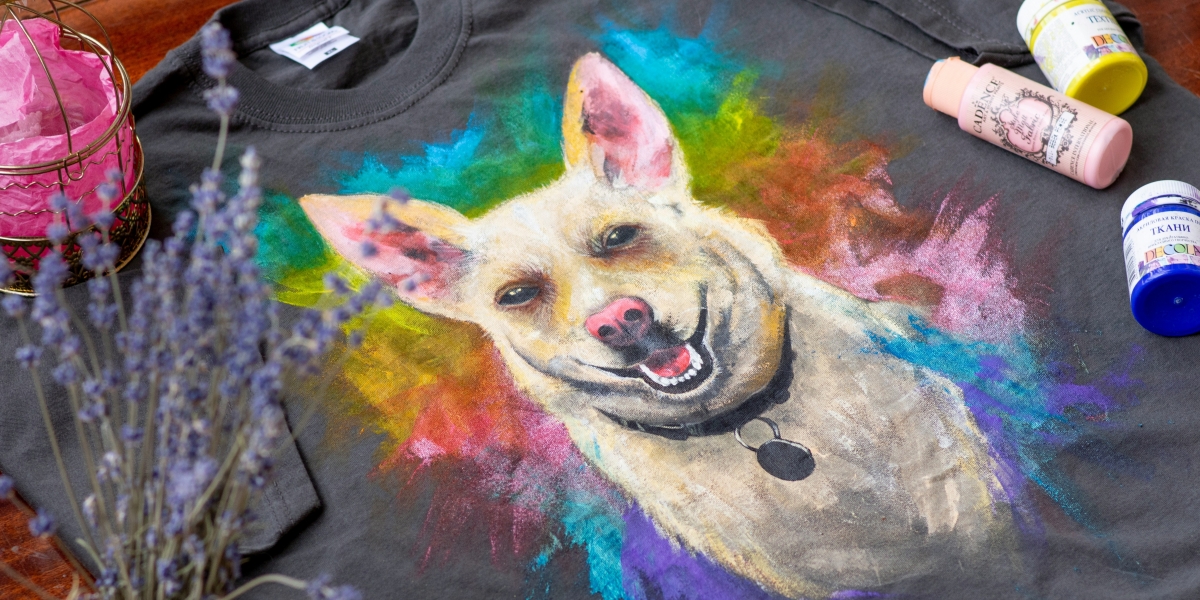


The custom apparel industry has witnessed tremendous growth in recent years. What was once a niche market is now a booming business with endless opportunities for both small entrepreneurs and established brands. The rise of personalized clothing and merchandise has created an ever-expanding demand for efficient, high-quality printing solutions. As technology continues to evolve, printing methods in the custom apparel industry are also advancing, making it easier, faster, and more affordable for businesses to create unique, high-quality products.
In this article, we will explore how innovative printing solutions, such as Direct-to-Film (DTF) printing, are revolutionizing the custom apparel industry. We’ll look at how these technologies are transforming the way custom clothing is produced, the benefits they bring to businesses, and how companies like dtftransfersnow.com are leading the way with cutting-edge solutions.
The Traditional Printing Methods: A Brief Overview
Before diving into the innovations of modern printing, it’s essential to understand the traditional methods used in the custom apparel industry. The most common of these methods are:
- Screen Printing: This process involves creating a stencil or screen for each color of the design and applying ink through the screen onto the fabric. Screen printing is ideal for large quantities of apparel, as the setup costs can be high, but the per-unit cost decreases with volume. However, it’s less flexible for intricate designs and small orders.
- Heat Transfer Vinyl (HTV): In this method, designs are cut from vinyl sheets and then heat-pressed onto fabric. HTV is popular for smaller runs and personalized designs, but it’s not suitable for larger or more complex designs due to the limitations of the vinyl.
- Direct-to-Garment (DTG) Printing: DTG printing uses specialized inkjet technology to print designs directly onto garments. This method allows for full-color prints with intricate details but can be costly for larger runs and is most effective on cotton fabrics.
Innovative Printing Solutions: The Future of Custom Apparel
As businesses and customers demand faster, more affordable, and high-quality products, printing solutions have had to evolve. The latest innovations in the custom apparel industry, like Direct-to-Film (DTF) printing, are addressing these needs and making it easier for large and small businesses to scale.
1. Direct-to-Film (DTF) Printing: A Game Changer
One of the most significant innovations in custom apparel printing is Direct-to-Film (DTF) printing. DTF printing is a versatile and cost-effective solution that combines the best aspects of screen printing and DTG printing. It involves printing a design onto a special film, applying adhesive powder, and then transferring the design onto fabric using heat.
Why DTF Printing is a Game Changer:
- High-Quality Prints: DTF printing can produce vibrant, durable prints that hold up well over time. This method allows for high-resolution designs with vibrant colors and excellent detail, even on dark fabrics.
- Versatility Across Fabrics: Unlike other methods that are limited to specific types of fabric, DTF printing can be used on a wide range of materials, including cotton, polyester, and even mixed fabrics. This makes it an incredibly versatile option for custom apparel businesses.
- Cost-Effective for Small and Large Runs: One of the main challenges with traditional methods like screen printing is the high setup cost, which makes it less suitable for smaller orders. With DTF printing, there are minimal setup costs, and businesses can easily produce both small and large batches without sacrificing quality. This flexibility makes DTF printing a great choice for businesses looking to scale quickly without huge upfront investments.
- Faster Turnaround: Since DTF printing doesn’t require complex setup processes, it allows for faster production times. This speed can be especially beneficial for businesses that rely on quick order fulfillment and need to meet the demands of customers in real time.
2. Sustainability in Printing: Eco-Friendly Solutions
Another aspect that has seen innovation is the push toward more sustainable printing methods. Consumers are increasingly concerned with the environmental impact of their purchases, and the custom apparel industry is no exception. Sustainable practices in printing are becoming more important, with businesses looking for eco-friendly alternatives to traditional methods.
DTF Printing stands out as an environmentally friendly option. It uses water-based inks and minimal chemical processes, making it a cleaner alternative to screen printing, which often involves toxic chemicals and excessive water consumption. Additionally, DTF printing reduces waste by allowing businesses to print on demand, meaning there is less overproduction and unsold inventory to deal with.
By adopting eco-friendly printing solutions like DTF, businesses not only contribute to sustainability efforts but also appeal to the growing number of environmentally conscious consumers.
3. Customization at Scale: Meeting the Demand for Personalization
One of the driving forces behind the growth of the custom apparel industry is the increasing demand for personalized products. Consumers are looking for ways to express their individuality, whether through custom t-shirts, hoodies, or hats. This has led to a shift in how apparel is printed, with businesses needing to adapt to meet the demand for unique, one-of-a-kind designs.
DTF printing, with its ability to handle intricate designs and a wide range of colors, is perfectly suited for creating personalized apparel. Whether it’s a custom shirt for an individual, a small batch for a local event, or a larger run for a business, DTF printing allows for the efficient production of high-quality, customized designs at scale.
The rise of e-commerce and print-on-demand services has also made it easier for consumers to create personalized products without the need for large inventories. By offering customization options and leveraging printing solutions like DTF, businesses can cater to this growing demand while keeping costs manageable.
4. Affordable Solutions for Small Businesses
For small businesses, keeping costs low while maintaining product quality is crucial. Traditional printing methods, especially screen printing, often involve expensive upfront costs for equipment and setup. In contrast, DTF printing provides an affordable solution that doesn’t require significant investments in machinery. Many businesses are turning to dtftransfersnow.com for high-quality, affordable DTF transfer sheets, which make it easier for small businesses to produce custom designs without the need for expensive equipment.
This has leveled the playing field for small businesses that previously couldn’t afford the high upfront costs of other printing methods. Now, with DTF printing, even entrepreneurs with small budgets can compete with larger companies by producing high-quality products at scale.
5. Innovative Solutions in Apparel Design and Business Growth
The integration of technology in the custom apparel industry is about prints, improving the entire design and production process. From design software to automated printing machines, technology is streamlining operations, allowing businesses to scale faster and more efficiently.
By using modern tools and printing solutions like DTF Transfers Now, businesses can reduce manual labor, enhance productivity, and focus more on expanding their brand. With the ease of creating digital designs, processing orders online, and outsourcing printing to reliable partners, business owners can concentrate on other aspects of their operations, such as marketing and customer engagement.
Conclusion
Innovative printing solutions, such as DTF printing, are transforming the custom apparel industry by offering businesses affordable, high-quality, and versatile methods for producing custom designs. These technologies are making it easier for companies to scale, meet customer demand for personalization, and contribute to sustainability efforts.
As the industry continues to evolve, businesses that adopt these solutions will undoubtedly stay ahead of the competition and capitalize on the growing demand for quality custom apparel.