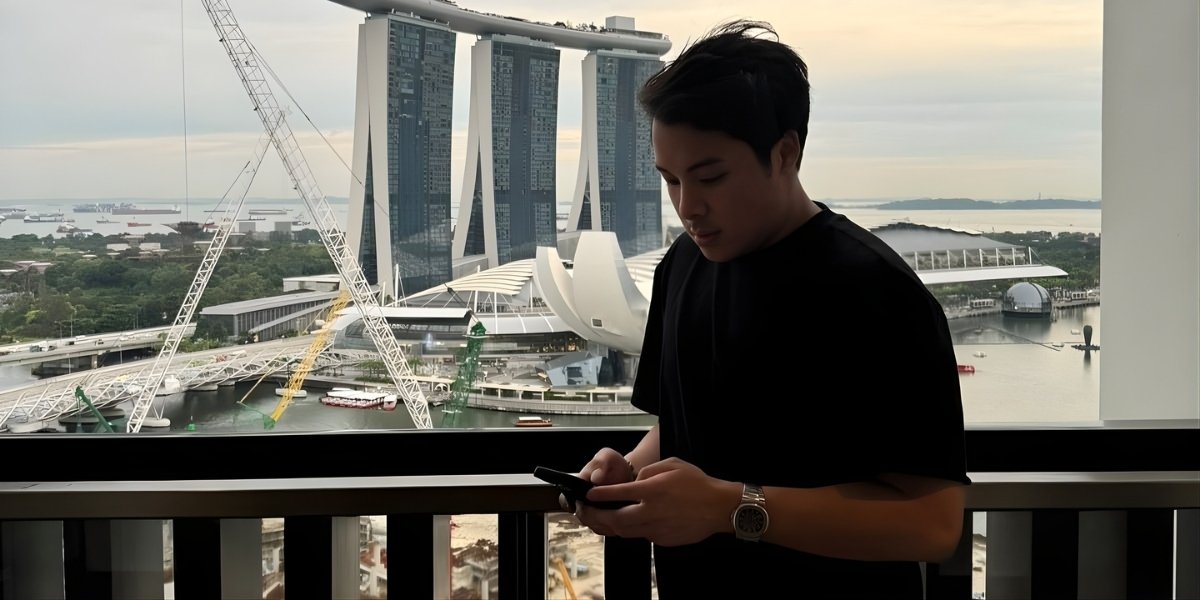


In most sectors, disruption starts with a new technology. In PR, Kim Than’s disruption starts with a much less glamorous topic: incentives.
As founder and CEO of The PR Genius, he has built a specialist agency for technology, Web3, and AI companies that treats PR as a performance function rather than a publicity exercise. Traditional retainers, vague promises of “connections,” and activity reports full of impressions, in his view, are symptoms of a model that rewards doing more rather than achieving more. His response has been to redesign how a PR firm sets goals, measures impact, and reports back to the boardroom.
The starting point is simple. Every engagement begins with a business objective that a CEO or Founder cares about. That might be fundraising momentum, a market entry, talent attraction, or credibility with regulators and institutional partners. Story angles, target outlets, and distribution plans are built from that objective, not the other way around. Success is measured by investor conversations, qualified opportunities, and sustained visibility in the right environments, rather than a raw count of mentions.
This approach is particularly visible in the markets that The PR Genius focuses on. Web3 and AI have been through multiple hype cycles and waves of regulatory pressure. Audiences in these categories are more sceptical than most and quick to discount inflated claims. Than’s the answer: move his clients away from promotional language and towards evidence. That means putting adoption metrics, technical milestones, security audits, and ecosystem partnerships at the centre of the narrative. It also means telling stories that resonate with mainstream users, policymakers, and institutional buyers, not just niche online communities.
Than frames visibility as infrastructure, not noise. A single piece of coverage is treated as an asset that can be reused and amplified. It can support search visibility, serve as social proof in sales and BD processes, be included in investor materials, and feed content across owned channels. The goal is not a spike of attention that fades in a week. The goal is to build a layer of credibility that compounds over time and can be cited in concrete commercial contexts.
His own background helps explain the focus on structure and accountability. Before founding The PR Genius, he worked in analytics, growth, and startup support. That experience created a habit of asking how any activity contributes to a measurable result and how that contribution can be tracked. Inside the agency, this translates into clear planning cycles, selective intake of briefs, and a willingness to turn down work that looks impressive but is unlikely to move meaningful metrics.
For CEOs, the significance of this model is straightforward. It offers a way to think about PR that aligns with how they already think about product, finance, and operations. Reputation is treated as an asset that can be built, protected, and leveraged through a repeatable process. In a market where attention is plentiful but trust is scarce, that shift from hype to hard numbers is what makes Kim Than’s drive to flip his industry worth watching.