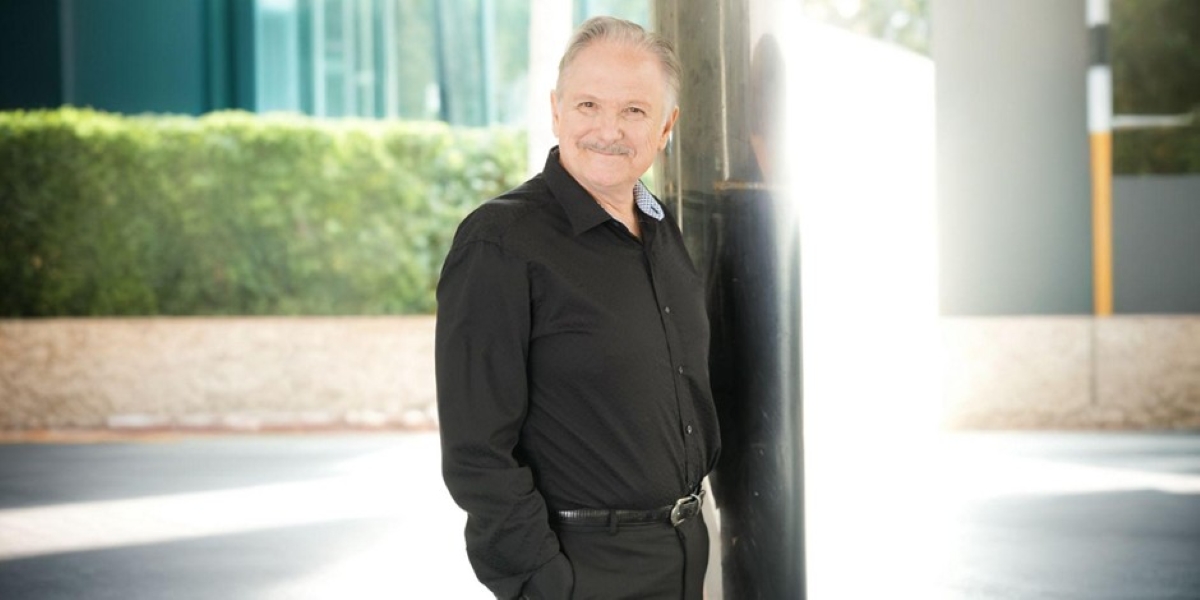

When we think about the hospitality industry in Brazil, images of luxurious beach resorts and bustling city hotels often come to mind. However, beneath this traditional landscape, a quiet yet powerful revolution is unfolding, led by Fernando Pereira, the CEO of Seazone. Pereira, with his unconventional background and visionary approach, is driving a transformation that’s redefining short-term rentals in Brazil.
In a recent interview, Pereira shared the journey that led to the founding of Seazone and how the company is poised to change the game in Brazil’s rental market. Pereira’s story is far from the typical tech entrepreneur narrative. His journey began far from the glitz of Silicon Valley or the startup hubs of São Paulo. Instead, it started in the oil fields of Chad, Africa, where he worked on a rotational basis, spending half the year away from home. It was during these long stretches of travel that Pereira first encountered the world of short-term rentals.
“I was traveling a lot, using Airbnb and other platforms to book my stays, and I got to experience the world of short-term rentals firsthand,” Pereira recalled. This experience sparked an idea in his mind—a vision that would eventually lead to the creation of Seazone. “It wasn’t just about finding a place to sleep; it was about maximizing every experience—getting the most value for the money spent, and enjoying the comforts of home even when miles away from it.”
Upon returning to Brazil, Pereira began investing in real estate, particularly in the short-term rental market. His initial foray was akin to managing a hotel in Jurerê, a popular beach destination in Florianópolis. “That’s how I started investing in Brazil,” he explained. “On the other side, I was looking to be an owner who rents out properties to visitors. The combination of these two experiences led to the creation of Seazone.”
Seazone is not just another property management company; it’s a tech-driven startup that leverages technology to optimize every aspect of the rental process. Pereira’s vision has always been clear: “My vision has always been to maximize the return on real estate investments.” And Seazone’s innovative approach does just that, blending the precision of technology with the flexibility of short-term rentals.
Technology plays a pivotal role in Seazone’s business model. Pereira highlighted three main fronts where technology is integrated into Seazone’s operations. “The first is data. We have a system like a crawler that captures data from the market, giving us market intelligence and insight into the real estate business in Brazil,” Pereira explained. This data-driven approach allows Seazone to make informed decisions about where to operate and even where to build new properties, known as ‘Spots,’ designed specifically for short-term rentals.
The second front is Seazone’s proprietary platform, which not only serves as a listing site but also generates additional revenue through direct bookings. “We have our own platform, using our own technology,” Pereira noted, emphasizing the importance of having a self-sufficient system that can drive business growth.
The third technological innovation is SAPRON, a comprehensive system that allows franchisees to manage and monitor all reservations in one place. “SAPRON is just the beginning of a larger platform or ecosystem that Seazone aims to create in Brazil, integrating property owners, hosts, and guests all within one system,” Pereira shared.
In a competitive market dominated by global hotel chains and local players, Seazone’s ability to offer a home-like experience with the consistency of a hotel is what sets it apart. “Our primary differentiator is technology, which allows us to provide a consistent experience across all our properties,” Pereira said. He also emphasized the importance of Seazone’s extensive portfolio of properties across Brazil, strategically located to offer guests a unique and cost-effective stay.
Pereira’s adaptability has been key to navigating the challenges of Brazil’s fluctuating economic conditions. He pointed to the Covid-19 pandemic as a critical moment where Seazone had to pivot its business model. “We shifted towards a franchise model to ensure survival,” Pereira explained. This adaptability, combined with a strategy of operating in diverse locations, has allowed Seazone to maintain stability and growth.
Looking ahead, Seazone has ambitious plans for expansion, both within Brazil and internationally. “In Brazil, we’re focusing on the northeast and winter tourist areas, as well as large cities,” Pereira revealed. The company’s long-term vision includes expanding into neighboring countries like Uruguay, Argentina, and Chile.
Sustainability is also a key component of Seazone’s future plans. Pereira discussed ongoing projects like Vistas Denita, which employs modular construction to offer sustainable real estate solutions. Additionally, Seazone is committed to incorporating solar energy in all its properties, furthering its participation in the sustainable market.
For entrepreneurs looking to break into the Latin American tech sector, Pereira offered a piece of advice rooted in his own experience: “The main advice is to never give up.”
As Seazone continues to expand and innovate, Pereira remains excited about the future. “The size of our market is very large, and no one else is really there yet. That excites me a lot,” he concluded. With a bold vision and a commitment to leveraging technology, Fernando Pereira and Seazone are well on their way to becoming leaders in Brazil’s rental market and beyond.
Published by: Nelly Chavez