

The modern office runs on screens. From early-morning emails to late-afternoon presentations, most professionals spend the majority of their day looking at laptops, monitors, tablets, and phones. Tools like Google Workspace have made collaboration seamless, but they have also dramatically increased the number of hours we spend staring at digital displays.
It is no surprise that digital eye strain has become a common complaint among office workers. Dry eyes, headaches, blurred vision, and general fatigue often creep in by mid-afternoon. Many professionals accept this discomfort as normal. It should not be.
This guide explores how blue light affects your eyes at work, why protection matters, and how to choose eyewear that supports comfort, focus, and professional style.
Why Is Blue Light a Growing Concern in the Modern Office?
Before discussing solutions, it is important to understand what is actually happening to your eyes during a typical workday. The combination of artificial lighting and prolonged screen exposure creates a unique visual environment that demands constant effort from your eyes.
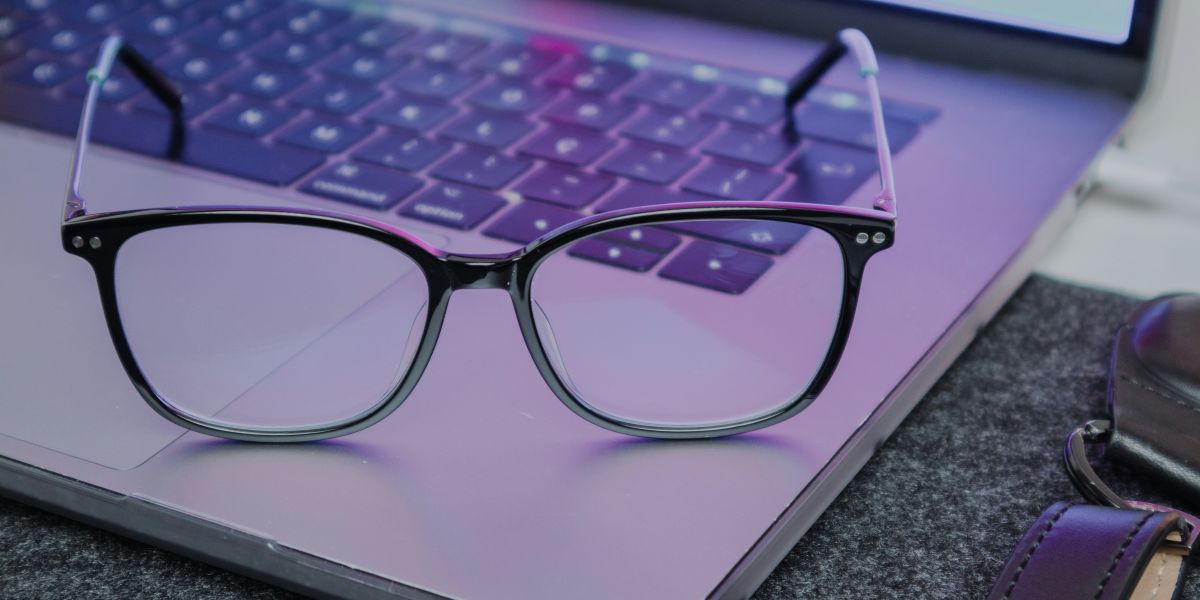
If you spend most of your day in front of a computer, investing in high-quality blue light glasses can help reduce the intensity of high-energy visible light and improve overall visual comfort.
What Is Blue Light?
Blue light is a high-energy visible light that exists naturally in sunlight. It helps regulate alertness and sleep cycles during the day. The challenge arises when artificial blue light from screens and LED lighting dominates your environment for extended periods.
In the office, you are exposed to blue light from multiple sources at once. Your monitor, laptop, smartphone, and overhead lighting all contribute to cumulative exposure.
How Do Office Screens Affect Your Eyes?
Consider a standard workday. You draft documents in Google Docs, review data in Google Sheets, and attend back-to-back meetings on Google Meet. Each task requires sustained focus at a close distance.
This prolonged near work can lead to digital eye strain. Common symptoms include dry or irritated eyes, blurred vision, headaches, and difficulty refocusing after long sessions. Over time, the strain builds, affecting both comfort and performance.
How Do Blue Light Glasses Support Eye Comfort at Work?
Understanding the problem is only half the equation. The next step is knowing how the right eyewear can help. Blue light glasses are designed to filter portions of high-energy light and reduce glare, which may ease the strain associated with extended screen use.
Can They Reduce Digital Eye Strain?
Blue light filtering lenses may help minimize glare and visual fatigue. By softening the intensity of artificial light, they allow your eyes to work more comfortably during long stretches at a desk.
For professionals working six to eight hours on screens, this added comfort can make a noticeable difference by late afternoon.
Do They Help Improve Focus and Productivity?
Eye discomfort is distracting. When your eyes feel strained, your concentration naturally drops. By improving visual comfort, blue light glasses may reduce interruptions caused by irritation or fatigue.
Whether you are analysing spreadsheets, editing reports, or reviewing detailed designs, steady visual clarity supports sustained attention.
Can They Support Better Sleep After Work?
Many professionals continue using screens well into the evening. Excessive exposure to blue light late in the day can disrupt your natural sleep cycle.
Filtering lenses may help reduce that overstimulated feeling in the evening, contributing to better rest and improved energy the next day.
What Should You Look for in Blue Light Glasses for the Office?
Not all blue light glasses are suitable for professional environments. Style, clarity, and comfort must work together. Choosing thoughtfully ensures you gain protection without compromising your appearance.
Clear or Tinted Lenses?
Some blue light lenses have a noticeable yellow tint. While these may offer stronger filtering, they are not always appropriate in corporate settings.
Clear blue light lenses provide subtle protection without altering how you appear on video calls or in meetings. They maintain a professional, polished look.
Why Is Anti-Reflective Coating Important?
An anti-reflective coating reduces glare from overhead lighting and screen reflections. This improves clarity for you and prevents distracting reflections during video calls.
When colleagues can see your eyes clearly on camera, communication feels more natural and engaging.
Which Frame Styles Work Best in a Professional Setting?
Minimal metal frames offer a sleek, understated aesthetic. Neutral acetate frames provide warmth without drawing excessive attention. Classic shapes such as rectangular, round, or subtle cat-eye designs complement business attire.
The goal is to enhance your professional image, not overpower it.
How Important Is All-Day Comfort?
If you plan to wear your glasses for eight or more hours, comfort is essential. Flexible temples reduce pressure behind the ears. A properly fitted bridge prevents slipping. Lightweight materials prevent fatigue.
The best pair should feel natural from your first meeting to your last email.
How Can You Match Blue Light Glasses to Your Work Routine?
Different work environments demand slightly different considerations. Your daily responsibilities should guide your choice.
What Works in a Corporate Office?
In traditional office settings, simplicity and refinement are key. Choose clean lines, neutral colours, and subtle details that blend seamlessly with professional attire.
What About Hybrid or Remote Work?
If you work remotely or attend frequent video meetings, consider how your glasses appear on camera. Frames that complement your face shape and avoid heavy glare enhance your virtual presence.
Are They Useful for High-Detail Tasks?
Professionals such as designers, accountants, data analysts, and marketing specialists often spend hours reviewing fine details. Reducing visual fatigue can support consistency and precision in these roles.
What Are the Common Misconceptions About Blue Light Glasses?
Despite growing popularity, several myths persist.
Some believe blue light glasses are only for gamers. In reality, office professionals often accumulate more screen hours than recreational users.
Others assume they distort colour perception. High-quality lenses are designed to maintain natural colour balance while filtering excessive blue light.
Some think they are unnecessary without a prescription. Non-prescription blue-light glasses are widely available and can benefit anyone who spends long periods in front of screens.
Protect Your Eyes at Work
Modern office life is built around digital tools. Screen exposure is constant, and visual strain has become common. Blue light glasses are no longer a novelty. They are a practical solution for professionals who want to protect their comfort, focus, and long-term eye health.
By choosing the right lenses, ensuring anti-reflective protection, and selecting frames that suit your work environment, you can support clearer vision throughout the day.
If your career revolves around screens, upgrading your eyewear may be one of the simplest and most effective ways to protect your eyes at work.