
By: K.H. Koehler
So many people feel like they’re constantly spinning plates and hoping nothing falls and breaks. They are the rock for everyone in their lives, and that invisible emotional burden can be incredibly challenging to maintain. The never-ending pressure often drains their energy, clouds their mental health, and takes its toll on their physical well-being.
Then there is the big myth that if someone is struggling to maintain it all, they must be lazy or just not working hard enough. In reality, for many people who take on so much, the problem is that they’re overextended, overthinking, and often over-functioning.
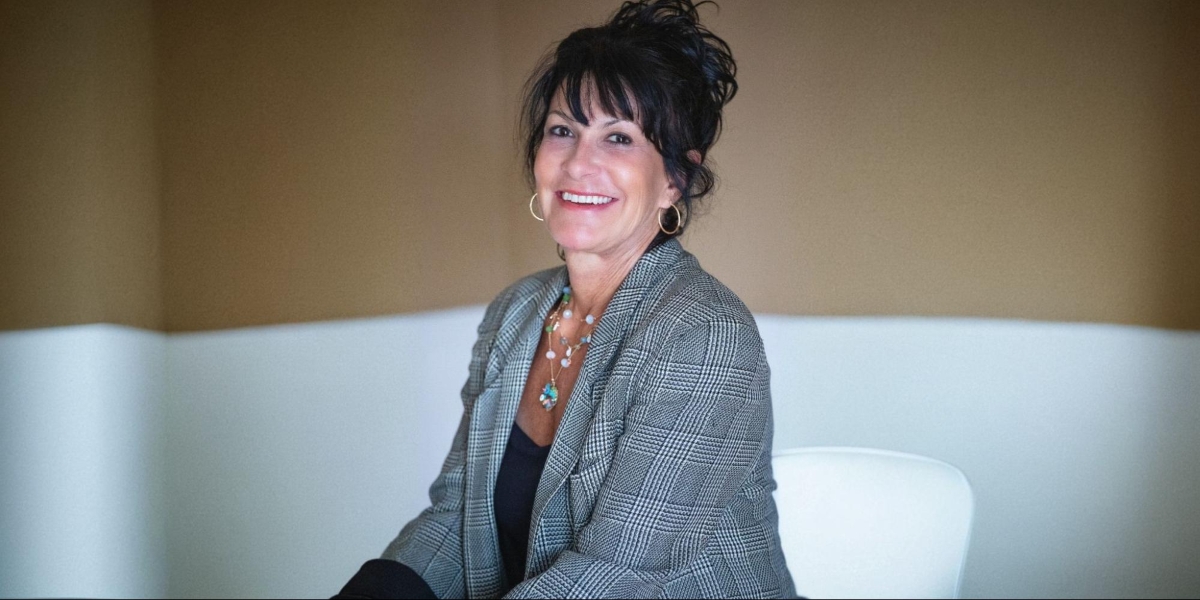
Barbara Gustavson, a brain health speaker and advocate, and Discover Next Step are offering a message that many might find helpful: You don’t have to white-knuckle your way through life. Being overwhelmed is not necessarily a character flaw or a moral failing. There is a real and understandable reason it happens, and burnout recovery and caregiver support can be possible with the right approaches.
Burnout Isn’t Personal Failure
Burnout isn’t a sign that you’re weak. It is, instead, an important warning signal from your brain and nervous system. When the demands on your time and energy exceed your ability to rest and recuperate, your brain gets stuck in a prolonged stress response. This makes clear thinking hard and can drain your energy reserves, making good decisions and your inherent leadership abilities harder to access. Waiting until you’re completely exhausted might make recovery harder, but it is not impossible.
Gustavson, who also oversees Dr. Daniel Amen’s national brain health certification programs, focuses on prevention, stress relief, and stress management. She supports the people who dedicate their lives to supporting others, including caregivers, leaders, and health professionals, by giving them practical ways to build resilience and learn nervous system regulation. Her own history, which includes a background in psychology and leadership, plus years navigating intense caregiving, has given her a personal understanding of how silently burnout can sneak up on you and the toll of emotional exhaustion.
The Power of Taking Five
For Gustavson, the answer to dealing with these stressors may not be massive life changes but a series of small, purposeful resets. She remembers her own periods of exhaustion while simultaneously caring for her father, raising her children, teaching, and launching her business, all while trying to avoid workplace burnout. She realized quickly that more effort was never the fix. Compassion fatigue was real, and stepping back to regroup was essential to coping.
Her experience led her to the creation of the REGROUP Framework and to penning her book, REGROUP: How to Reset Your Mind so You Can Unlock Hidden Energy, Enjoy Productive Peace, and Feel Like Yourself Again. Her method teaches people how to use micro-resets, set healthy boundaries, and establish brain-friendly routines that replenish energy and clear the mind long before a crisis might shut the person down. It turns brain health from a vague concept into something more tangible.
Taking a New Angle to Burnout
Gustavson understands that supporting others has to start with taking care of herself first, and she has taken the complexity of neuroscience and refocused it on helping people with big hearts and overwhelming commitments. Her goal is to expand her work, educate organizations on how their teams can work with their own brains instead of constantly fighting them, and help anyone caught up in the difficult balance of helping others while trying not to lose themselves in the process.
Barbara Gustavson’s message is a helpful source of hope. Prioritizing your own well-being is not selfish. It’s a smart, science-backed approach to life that can give you back your clarity, energy, and capacity to lead.
Disclaimer: The information provided in this article is for informational purposes only and is not intended to substitute for professional medical or psychological advice. While burnout and stress management techniques discussed may be helpful to some individuals, results may vary. Always consult with a healthcare provider or mental health professional for personalized guidance on managing stress and burnout.