

Many people understand the concept of God, yet far fewer experience a deep and personal relationship with Him. Information about faith is widely available, but genuine spiritual transformation requires something more than knowledge. It requires inner renewal.
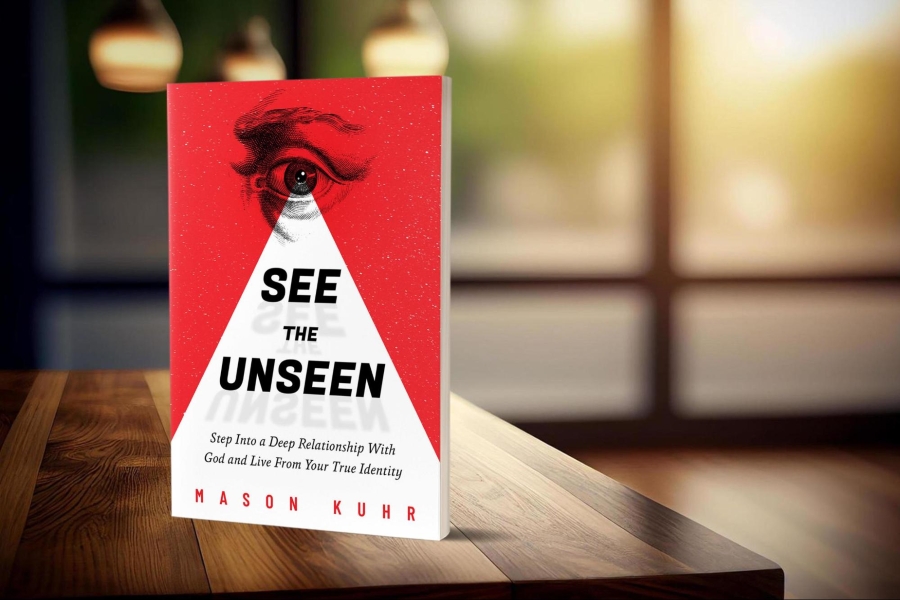
For Mason Kuhr, that transformation begins by addressing the internal barriers that often prevent people from experiencing God fully. In his book See the Unseen, Kuhr outlines a framework for spiritual growth centered on renewing beliefs, embracing true identity, healing the heart, and cultivating spiritual discernment. These principles form the foundation for moving beyond intellectual belief into a deeper relationship with God.
Kuhr often challenges the common perception that faith is restrictive or passive. As he explains, “If you think following God is boring, you’re not following God. You’re following religion.” For Kuhr, authentic faith is dynamic, transformative, and deeply personal.
Transforming Beliefs That Distort the Character of God
A significant barrier to knowing God often lies in beliefs that have been shaped by culture, religious traditions, or past experiences rather than by truth. These distorted beliefs can quietly shape how people perceive God and how they approach faith.
In See the Unseen, Kuhr explores how misconceptions about God’s character, such as viewing Him as distant, harsh, or uninterested in daily life, can prevent individuals from developing a meaningful relationship with Him. When those beliefs remain unexamined, they often limit spiritual growth and create distance where intimacy was intended.
Spiritual renewal begins with identifying and replacing those distortions with truth. Through scripture, reflection, and prayer, individuals can gradually realign their understanding of God with His true nature. As beliefs shift, the foundation for a deeper relationship with God begins to form.
Receiving Identity Through Christ
Identity sits at the center of spiritual transformation. Many people operate from identities shaped by achievement, shame, past mistakes, or cultural expectations. Over time, these identities can create internal conflict and disconnect individuals from the purpose and freedom offered through faith.
Kuhr emphasizes that a deeper relationship with God begins when identity is rooted in Christ rather than in external validation. The message of the Gospel centers on restoration—an invitation into a renewed identity that reflects God’s intention for humanity.
In this framework, spiritual growth is not about striving to become worthy, but about receiving the identity already offered through Christ. As this identity becomes clearer, confidence, clarity, and purpose begin to replace insecurity and striving.
Healing the Heart Through Grief and Surrender
Emotional wounds and unresolved pain often remain hidden beneath the surface of spiritual life. Experiences such as loss, betrayal, or disappointment can create barriers that make it difficult to trust God fully.
Kuhr’s work places significant emphasis on the healing of the heart. Grief, when acknowledged rather than avoided, becomes an important part of spiritual restoration. Facing pain honestly allows individuals to process experiences that might otherwise remain buried.
Surrender plays a crucial role in this process. Rather than attempting to maintain control or force outcomes, surrender invites God to work within the areas of life that feel broken or unresolved. According to Kuhr’s teachings, healing often begins when control is released and trust is restored.

Cultivating Spiritual Discernment
The final component of Kuhr’s framework is the development of discernment—the ability to recognize God’s guidance, the difference between “good” and “best,” and distinguish truth from distraction. In a world filled with noise, cultivating discernment requires intentional space for reflection, prayer, and spiritual awareness.
Discernment grows gradually as individuals develop sensitivity to God’s direction through scripture, wise counsel, meditation, and quiet reflection. Over time, this clarity influences decisions, relationships, and leadership.
For Kuhr, discernment represents more than spiritual intuition; it is a practical tool for navigating life with wisdom and purpose. As discernment deepens, individuals often find themselves responding to life with greater confidence and peace.
A Journey of Spiritual Transformation
Moving from knowing about God to truly knowing Him is not a single moment but a lifelong process of renewal. Transforming false beliefs, receiving identity in Christ, healing the heart, and cultivating discernment all contribute to a deeper and more authentic relationship with God.
These themes are explored in greater depth in Kuhr’s book See the Unseen, where he examines the role of inner healing and identity restoration in spiritual transformation.
Learn More About Mason Kuhr
Mason Kuhr is a builder, creator, and spiritual guide whose work centers on inner transformation, identity restoration, and faith-centered leadership.
Readers can learn more about his work, retreats, and initiatives by visiting masonkuhr.com. Kuhr also shares teachings and insights through his Substack community, which includes a free chapter from See the Unseen and a 90-day transformation program.
His broader initiatives include The Stampede Network, which explores the intersection of faith, healing, and holistic wellness. Kuhr can also be followed on social media at @masonkuhr across major platforms.