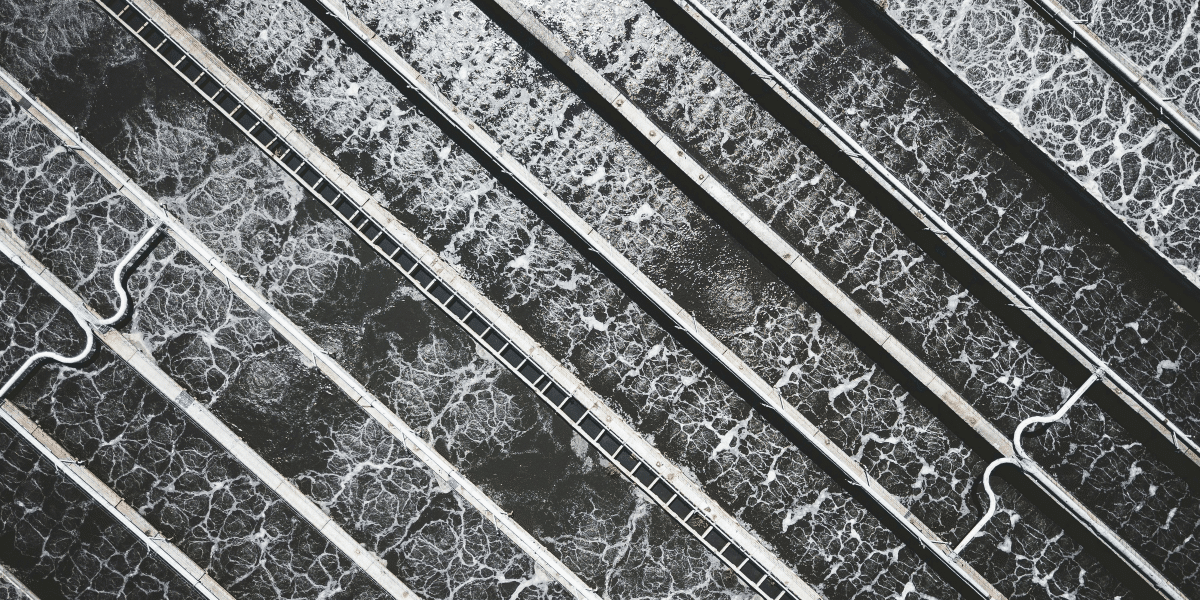


Pipe networks, drainage systems, and considerable manual labor have always been the hallmarks of wastewater management in its public, agricultural, and industrial segments. All three segments are subject to strict compliance and supervision, particularly industrial wastewater management, which carries a greater risk of emergencies and contamination. Thanks to various technological advancements, managers overseeing wastewater collection, mitigation, and disposal can keep their plants and systems functioning like a Swiss clock. Let’s take a brief look at how technology is significantly improving wastewater management.
Sensors and Automated Technology
Advanced sensors have been used in wastewater treatment operations for a couple of decades; however, the implementation of automated controls to enhance their functionality began a few years ago. Many wastewater plant managers have described the new automation strategies as “game-changing” because of their accuracy and the overall benefit of reducing workloads. Let’s say an industrial wastewater plant rotates operators to monitor the primary clarifier system to adjust the discharge valves when sludge floats or accumulates; in this case, real-time sensors can alert operators about the sludge levels. This process can be further automated with an electric thruster actuator, thus allowing plant operators to focus on other tasks.
Optimization Through Big Data Analytics
As impressive as actuator automation is for wastewater management professionals, it is only one example of the advanced technology being implemented at treatment plants. Real-time sensors that trigger actuators are pretty much robotic systems; nonetheless, the data they collect and generate can be leveraged to make them smarter. Let’s think about the data automatically collected at the various stages of the treatment process; we got flow rates, chemical levels, pollutant concentrations, and several other measurements that can be streamed to a centralized platform. This is Big Data that can be put through scenarios to provide actionable insights; for example, identifying potential equipment failures before they become critical, and recommending the exact amount of chemicals needed for treatment.
Making Wastewater Treatment More Sustainable
Sustainability is already at the heart of wastewater treatment, but we are getting better in this regard thanks to automation technology. All treatment plants go through periods of peak energy consumption, but such peaks may not always happen at the same time. With Big Data analytics, plant managers can figure out which automation tools and systems can be installed to make adjustments to pumps, aeration systems, and other equipment. This translates to reduced energy use and a smaller carbon footprint for the treatment plant. Then we have the constant battle called leak detection, which sensors with real-time flow monitoring can detect and even predict in some cases. For plant managers who want to make their operations more eco-friendly, automation is highly recommended.
In the end, smart automation will continue to optimize wastewater treatment and management in the next few years, thus making the job of plant managers more effective. The goal is not to eliminate manual labor; managers know that this is impossible in their sector, but automated controls and smarter processes are certainly making wastewater operations more effective and sustainable.
Published By: Aize Perez